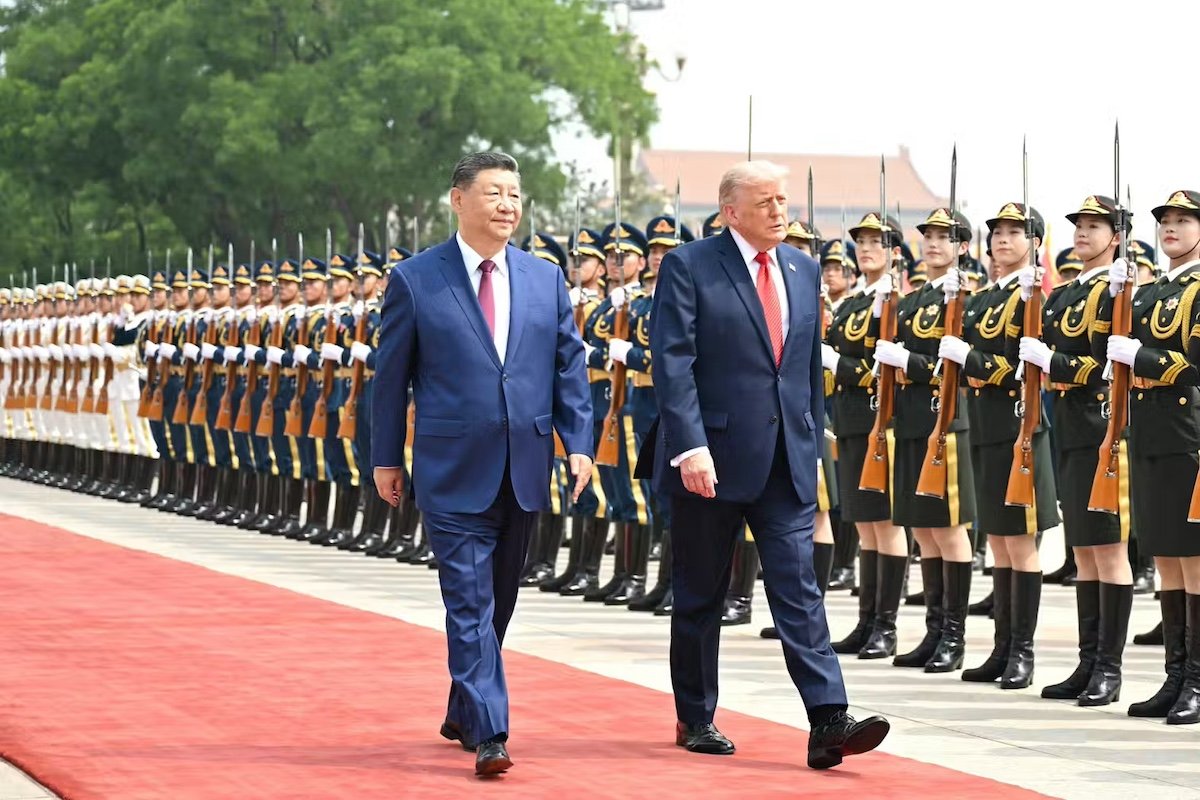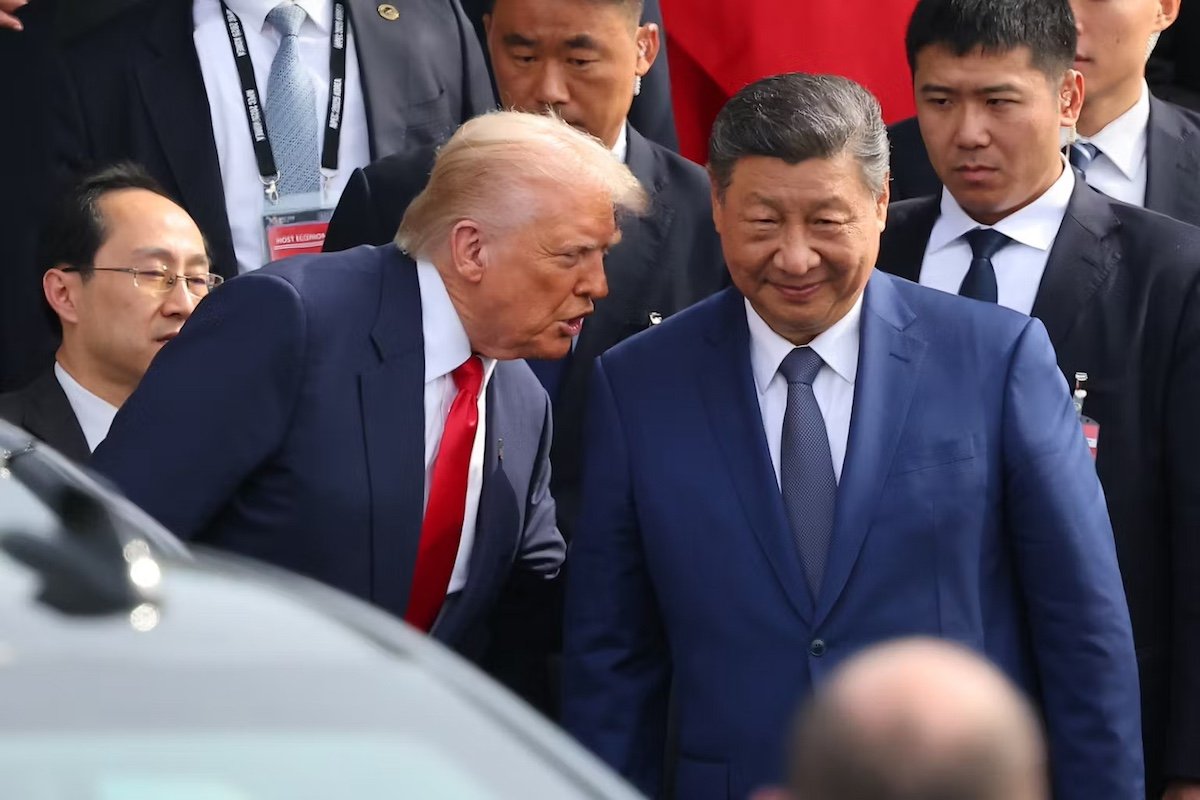
TOKYO — Donald Trump's scheduled visit to Beijing next month, the first by a US president since 2017, is rapidly losing its diplomatic weight. What was once billed as a high-stakes summit to reset US-China relations is now shaping up as a trip where the American president will negotiate with one arm tied behind his back.
Chinese leader Xi Jinping has been deliberately delaying trade talks with the Trump 2.0 White House since April 2025, according to sources familiar with the negotiations. By stringing along the administration, Xi has eroded Trump's ability to extract concessions during the March 31-April 2 visit.
Ten days ago, the trip generated significant drama and expectations. Now, analysts in Tokyo, Seoul, and Singapore see it as a potential diplomatic setback for Washington. The delay tactics have allowed Beijing to set the agenda and frame the narrative ahead of the meeting.
Xi's Strategic Patience
Xi's approach reflects a calculated strategy of strategic patience. By refusing to engage substantively until the last moment, he has forced Trump to come to Beijing without a clear roadmap for progress. This contrasts sharply with Trump's earlier trade negotiations, where he often dictated terms.
The Chinese president has also leveraged domestic political pressures in the United States, including ongoing debates over tariffs and the Federal Reserve's independence, to weaken Trump's hand. The recent nomination of Kevin Warsh to the Fed, amid scrutiny over his independence pledge, has further complicated the US negotiating stance.
Meanwhile, the US Navy's drone swarm strategy and next-generation fighter competition, both aimed at countering China's naval rise, have not translated into tangible leverage in trade talks. The Japan-Australia frigate deal signals a shift in Pacific security, but it has not altered Beijing's calculus on trade.
Implications for the Indo-Pacific
The weakening of Trump's position in Beijing has ripple effects across the Indo-Pacific. Allies like Japan, South Korea, and Australia are watching closely, as any US-China trade deal could reshape regional supply chains and security dynamics. India, under Prime Minister Narendra Modi, is also recalibrating its own trade and defense strategies in response.
In Southeast Asia, leaders like Indonesian President Joko Widodo are concerned that a US-China trade truce could come at the expense of smaller economies. The 'Chinamaxxing' trend—a cultural fascination with Chinese soft power—has already influenced regional perceptions, but genuine economic leverage remains with Beijing.
Trump's Iran campaign, which has seen the US extend a ceasefire while maintaining a naval blockade, has also diverted attention and resources from the Asia pivot. Critics argue that the administration's focus on the Middle East has left it ill-prepared for the complexities of dealing with Xi.
As the visit approaches, the key question is whether Trump can salvage any meaningful outcome. Without a clear strategy, his trip to Beijing may end up reinforcing Xi's narrative of Chinese resilience and American decline. For an informed audience in Tokyo, New Delhi, and beyond, this is a moment to watch closely.