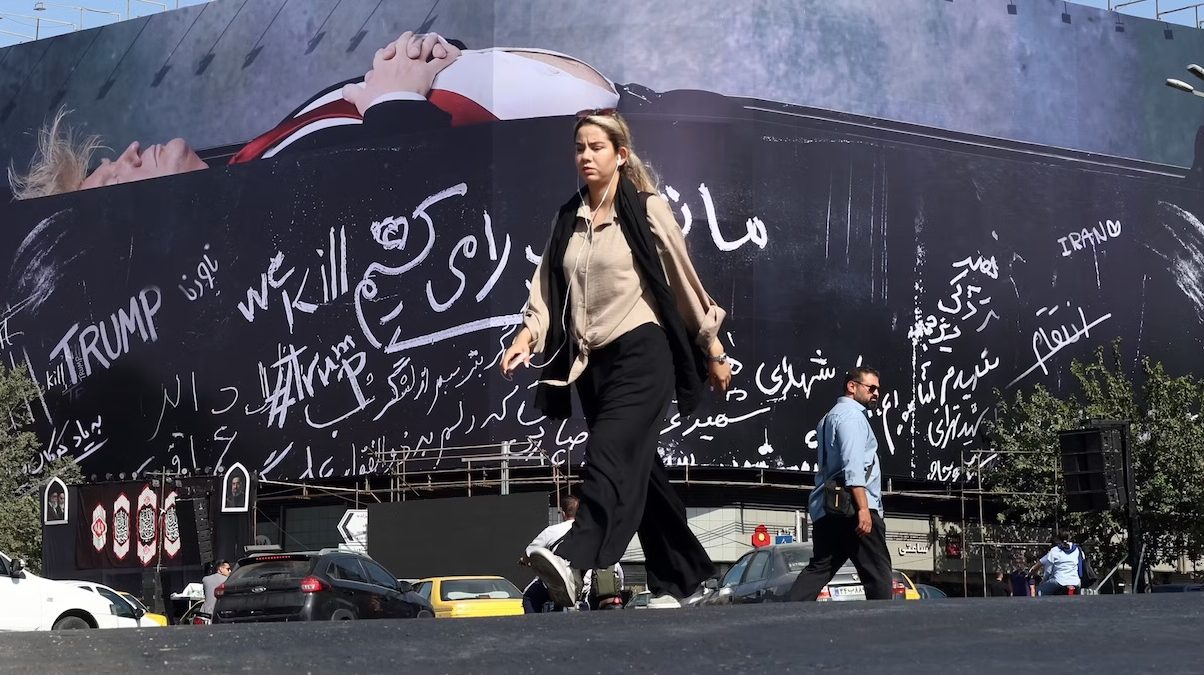
Serious hostilities between the United States and Iran have resumed after President Donald Trump declared the June ceasefire "over" on July 8. Since then, the US military has launched intensive airstrikes on Iranian targets and reimposed an economic blockade. Trump has also revived earlier threats to strike civilian infrastructure and seize Kharg Island, which hosts most of Iran's oil refining capacity.
White House hopes for a negotiated settlement on Iran's nuclear program have faded. Trump now aims to force Tehran to relinquish control over the Strait of Hormuz, a chokepoint for global energy shipments. But the strategy is a replay of tactics that have already failed, underscoring how few options remain.
The War's Shifting Center of Gravity
The conflict began as a joint US-Israeli effort to damage Iran's nuclear facilities and potentially topple the regime of Supreme Leader Mojtaba Khamenei. However, the focus has shifted. Nuclear matters now take a back seat to the question of shipping rights through the Strait of Hormuz. Iran's chief negotiator, Mohammad Bagher Ghalibaf, has insisted that vessels may only transit under what he calls "Iranian arrangements."
The US rejects any Iranian control and demands a return to free navigation. Yet after months of conflict, Washington has not found a way to achieve this at an acceptable cost. The options fall into three categories: military, diplomatic, and economic.
Military Options: High Risk, Low Reward
No single power fully controls the Strait of Hormuz. It remains a contested zone where multiple countries project force. Iran does not need total control—only a credible threat to shipping. Its arsenal of missiles, drones, and fast boats is relatively easy to conceal and launch. The CIA assesses that Iran still has ample supplies.
To neutralize these capabilities, the US would need to seize large swaths of Iranian territory, risking heavy casualties—and even then, success is uncertain. Seizing Kharg Island would be similarly risky. An initial occupation might be easy, but any US forces stationed there would be vulnerable to Iranian counterattacks. A prolonged occupation would likely cost lives, undermining its value as leverage.
Striking civilian targets, as Trump has threatened, might force Tehran to negotiate—or it could trigger retaliation that devastates energy infrastructure across the Gulf. The risks and probable futility of these military options have pushed Trump toward diplomacy, but that path has also proven barren.
Diplomatic Stalemate
Diplomatic outcomes usually reflect battlefield realities. With no credible military option to dislodge Iranian influence in the strait, Tehran has little reason to concede. Mohsen Rezaee, an adviser to Khamenei, recently called Iran's influence in the waterway "more important than dozens of nuclear bombs."
Control of the strait gives Iran leverage against the US. It will not surrender that advantage without a compelling reason. The diplomatic track has thus stalled, mirroring the military impasse.
Economic Pressure Cuts Both Ways
A prolonged naval blockade of Iranian ports is perhaps Trump's most effective tool to inflict economic pain. High inflation and economic grievances fueled unrest in Iran in early 2026, which the regime brutally suppressed. However, the blockade also raises global energy prices, a politically perilous outcome for Trump. It also requires a permanent US naval deployment, competing with missions in Europe and the Indo-Pacific.
Even if the blockade succeeds temporarily, it cannot last forever. Once US forces withdraw, Iran will still sit next to the Strait of Hormuz, ready to menace shipping anew. The economic pain is mutual, and the strategic advantage remains with Tehran.
Trump has backed himself into a corner. For all the US military's immense power, there are limits to what it can achieve. In this war of his own making, those limits are becoming starkly apparent. The implications ripple across Asia: energy-dependent economies from Tokyo to New Delhi watch nervously as the strait remains contested. Renewed US-Iran hostilities reverberate across Asian economies, while Iran drags the US into a protracted conflict that defies Trump's wishes. Meanwhile, Seoul's pragmatic diplomacy navigates Trump's unpredictable foreign policy, and Iran's foreign minister mocks Trump's Strait of Hormuz toll plan.