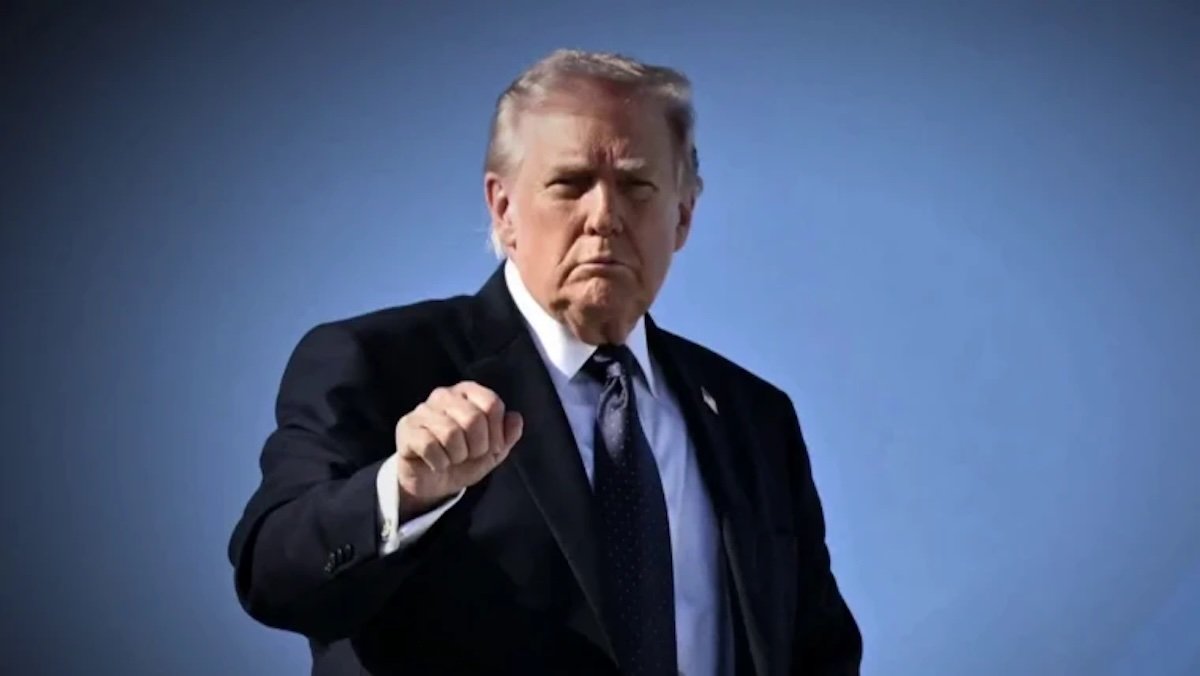
President Donald Trump on Tuesday escalated his rhetoric against Iran, warning that any retaliation for the latest US bombing campaign would trigger an even more devastating response. In a post on his Truth Social platform, Trump said, “If the failed Nation of Iran retaliates for this very justified attack, they will be hit again at a much harder and higher level.” He added ominously, “it will not be the biggest attack of them all, that is waiting in the wings and, when it is over, there will be very little left of the Islamic Republic of Iran!”
The warning came as American forces resumed airstrikes against targets belonging to Iran’s Islamic Revolutionary Guard Corps (IRGC). The renewed campaign marks a significant escalation in the long-running confrontation between Washington and Tehran, with implications that extend far beyond the Middle East, including for Asian nations that depend on stable energy supplies and regional security.
Iran’s defiant response
Iran appeared unshaken by Trump’s saber-rattling. According to The Associated Press, Tehran launched missiles and drones shortly after the US attack, signaling that it is prepared to meet force with force. This exchange underscores the fragility of the region, where any miscalculation could draw in major powers, including China and India, both of which have significant economic and diplomatic stakes in the Persian Gulf.
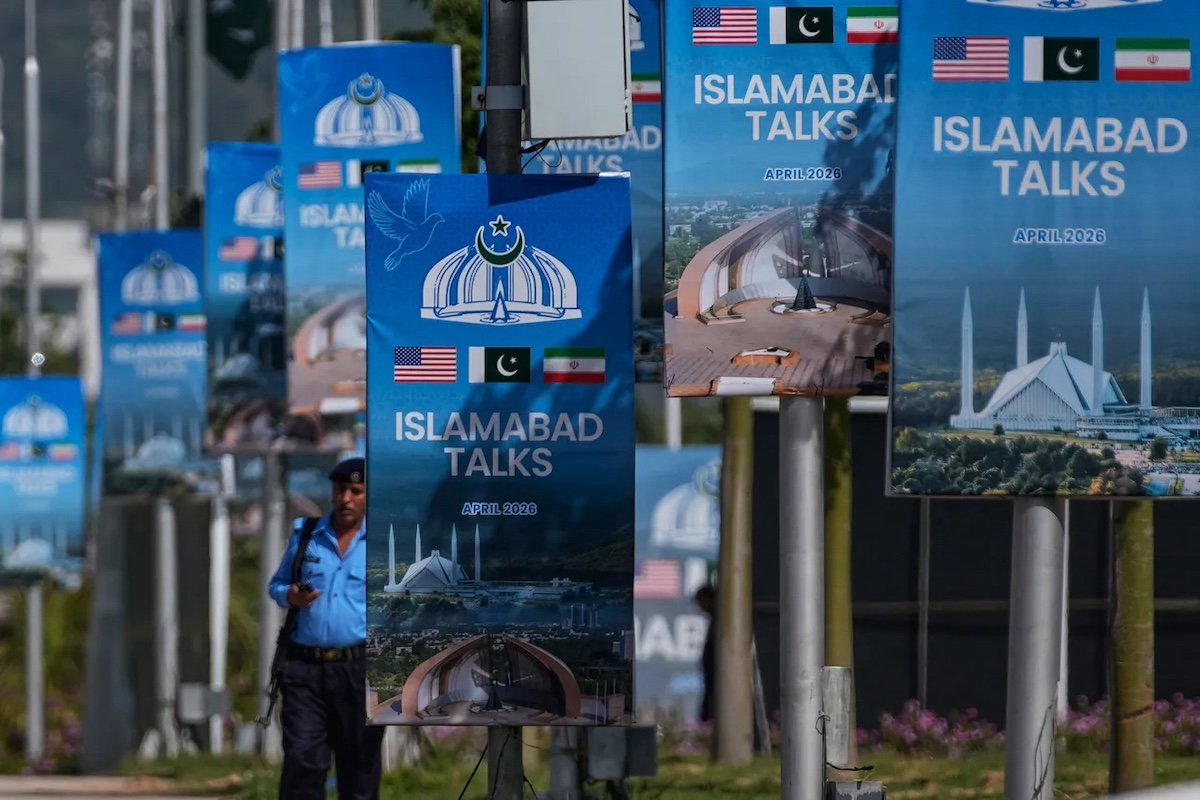
Trump’s latest threat follows a pattern of aggressive posturing that has characterized his approach to Iran. In April, he issued a similar ultimatum, warning that “a whole civilization will die tonight, never to be brought back again” unless Iran surrendered. He backed down hours later, agreeing to a ceasefire that has since expired.
Nuclear option not ruled out
When asked by a reporter in the Oval Office on Monday whether he would consider using nuclear weapons against Iran, Trump appeared to dismiss the idea. “There’s no reason for it,” he said. “What a stupid question that is, actually. Here they are, they’re totally defeated militarily, so now I defeat them and now I should use a nuclear weapon on top of them?”
However, analysts caution that Trump’s threats should not be taken lightly. Brett Erickson, managing partner at Obsidian Risk Advisors, wrote on social media that the president’s language suggests nuclear options are now “on the table.” Erickson noted that throughout the conflict, he had been “incredibly skeptical” that Trump was even discussing nuclear use, but added, “This reads to me clear as day that they are on the table now.”
Regional and global implications
The escalating crisis has reverberated across Asia, where leaders are closely watching the confrontation. For countries like Japan and South Korea, which rely heavily on Middle Eastern oil, any disruption to shipping lanes could have severe economic consequences. Meanwhile, China, which has deepened its ties with Iran through trade and investment, faces a delicate balancing act between its partnership with Tehran and its desire to maintain stability in the region.
Trump’s aggressive posture also feeds into broader concerns about his administration’s foreign policy, which has been marked by unilateral actions and a willingness to use military force. As Trump's Iran missteps lay bare the limits of US military might, allies and adversaries alike are reassessing their reliance on Washington. This shift is particularly evident in Asia, where Trump's second term accelerates a global shift away from US leadership.
The crisis also highlights the growing divide between the United States and its traditional partners. While European nations have called for restraint, Trump has shown little appetite for diplomatic solutions. This has led some Asian governments to explore alternative security arrangements, as seen in South Korea's path to strategic autonomy after Trump's UFS cut.
As the situation develops, the international community watches with bated breath. Trump’s threats, whether bluster or genuine intent, have raised the stakes in a region already fraught with tension. For now, Iran shows no signs of backing down, and the prospect of a wider conflict looms larger than ever.