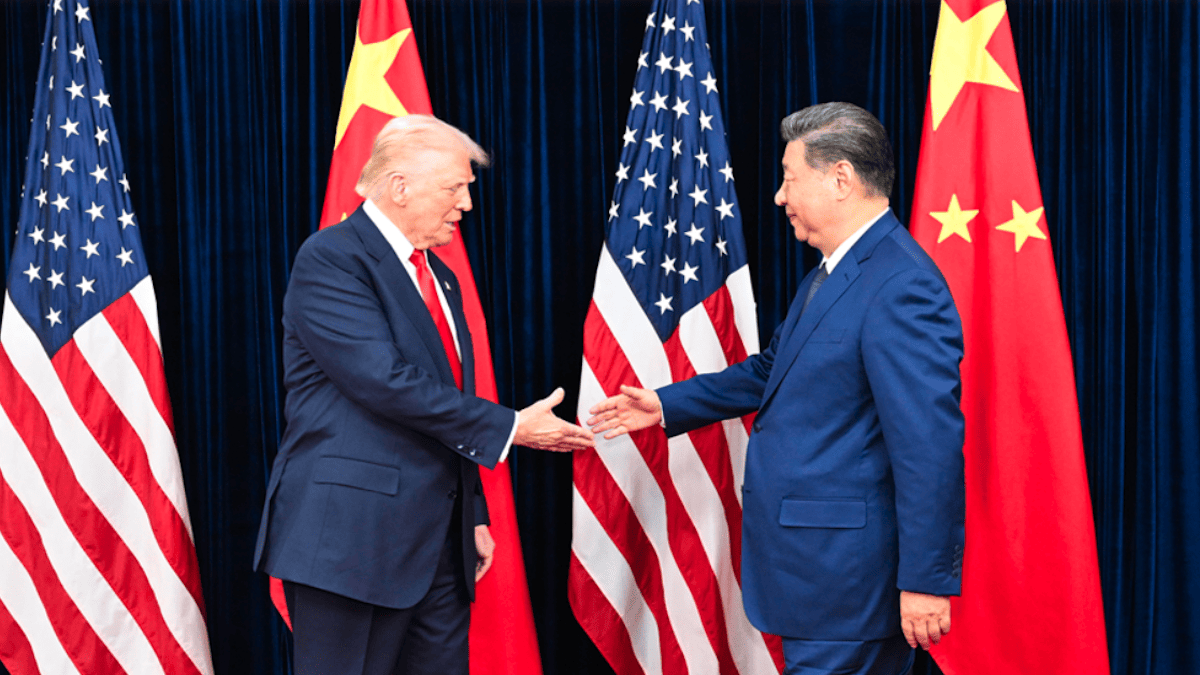
US President Donald Trump and Chinese President Xi Jinping are set to hold a summit in Beijing on May 14 and 15, with a packed agenda that includes Iranian oil sanctions, Taiwan, trade imbalances, human rights, and technology export controls. The meeting, originally scheduled for late March, was postponed as the White House focused on the ongoing conflict in Iran.
Iran remains the most contentious issue. US Trade Representative Jamieson Greer told Bloomberg TV that anyone purchasing Iranian oil is contributing to state-sponsored terrorism. He noted that the Treasury has taken steps against oil refiners dealing with Iran, and that China's non-compliance must be addressed. However, Greer emphasized that Washington does not want the Iranian oil dispute to dominate the summit or derail broader agreements. “We’re looking for stability with China,” he said.
On April 28, the US Treasury’s Office of Foreign Assets Control warned financial institutions about secondary sanctions risks linked to Chinese independent “teapot” refineries, which Washington accuses of buying Iranian crude. In response, on May 2, China’s Ministry of Commerce invoked its “Blocking Rules” against US sanctions on five mainland teapot refiners, including Hengli Petrochemical (Dalian) Refinery, declaring that US asset freezes and transaction bans “shall not be recognized, enforced or complied with” in China.
US Secretary of State Marco Rubio warned that ignoring US sanctions would trigger secondary sanctions. He also commented on Iranian Foreign Minister Abbas Araghchi’s recent visit to Beijing, hoping China would deliver a clear message to Tehran about its actions in the Strait of Hormuz. “You’re the bad guy in this,” Rubio said. “A cost needs to be imposed on Iran for what they are doing.” He noted that China’s export-driven economy also has an interest in preventing Iran from closing the strait, as disruptions would hurt Chinese trade. For more on the strategic implications, see Trump's Leaky Hormuz Blockade Needs Malacca Control to Work.
Taiwan and Arms Sales
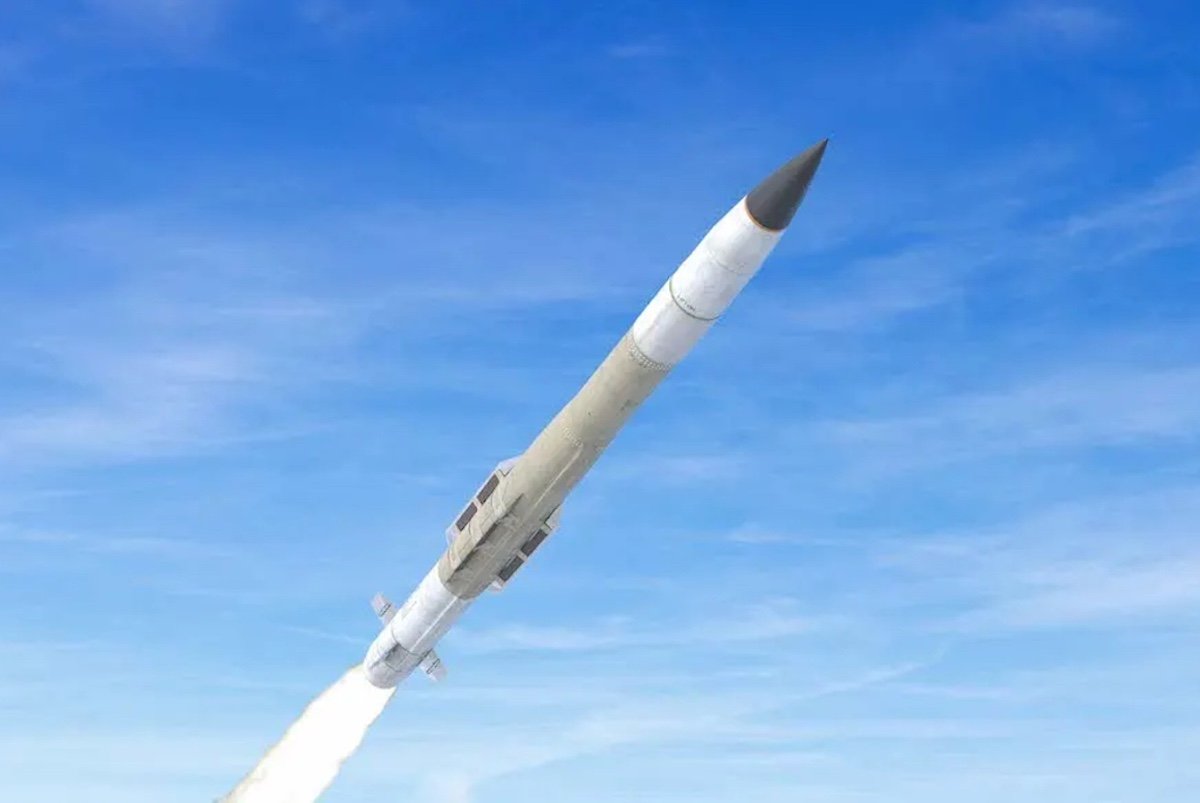
The summit is also expected to address US arms sales to Taiwan. In December, the Trump administration announced an $11 billion package including ATACMS missiles, HIMARS rocket systems, and loitering munitions to bolster Taiwan’s asymmetric defense. Some components remain delayed at the State Department.
Chinese Foreign Ministry spokesperson Lin Jian reiterated that the Taiwan question is at the core of China’s core interests and the bedrock of China-US relations. He called on the US to abide by the one-China principle and the three joint communiqués. Tianjin-based columnist Hou Junyi warned that Taiwan’s Democratic Progressive Party administration, led by Lai Ching-te, should be concerned that the island’s interests could be sacrificed in the talks. For a deeper look at how Taiwan is being marginalized, see How China Quietly Erased Taiwan from Coffee's World Stage.
Beyond Iran and Taiwan, the summit may also discuss the possible release of Hong Kong media tycoon Jimmy Lai and Beijing’s discouragement of local firms from buying Nvidia’s H200 AI chips, even after Trump approved their export. The broader goal, as Greer put it, is to prevent any single issue from derailing the relationship between the world’s two largest economies. For analysis on how the summit could reshape US-China coexistence, see Trump-Xi Summit May Codify New Rules for US-China Coexistence.