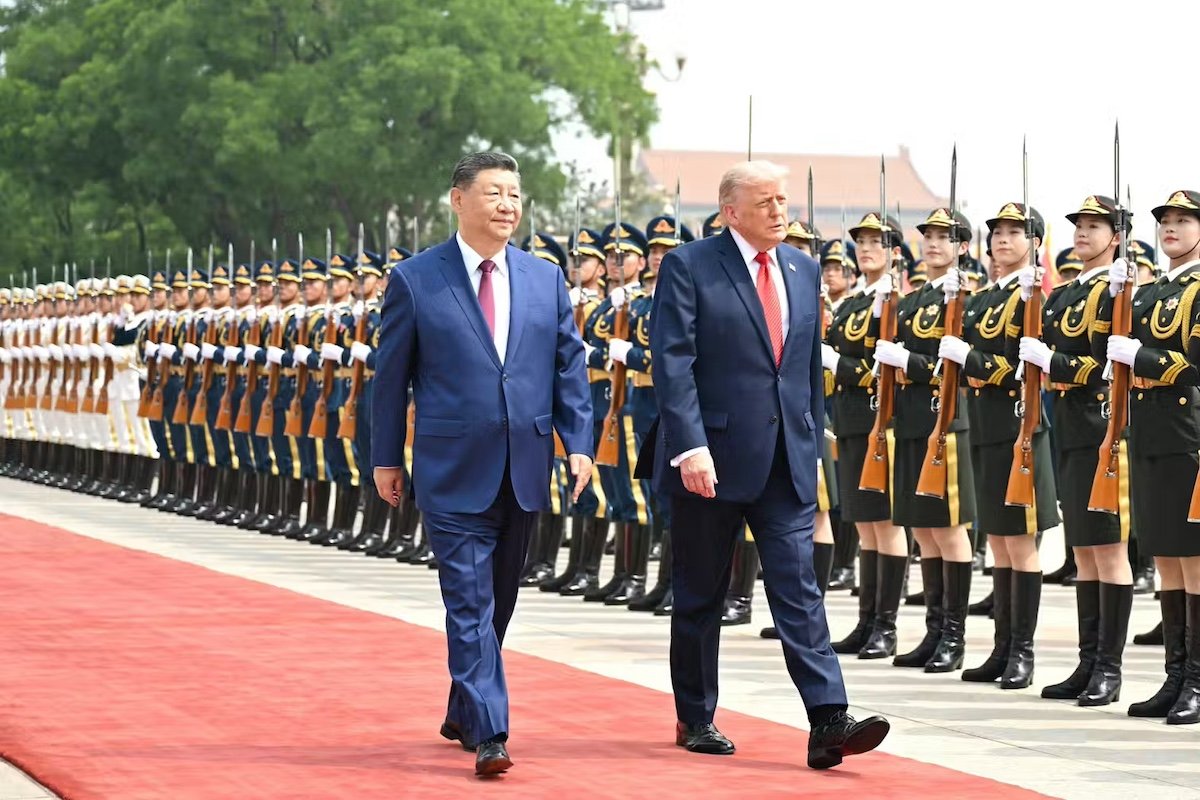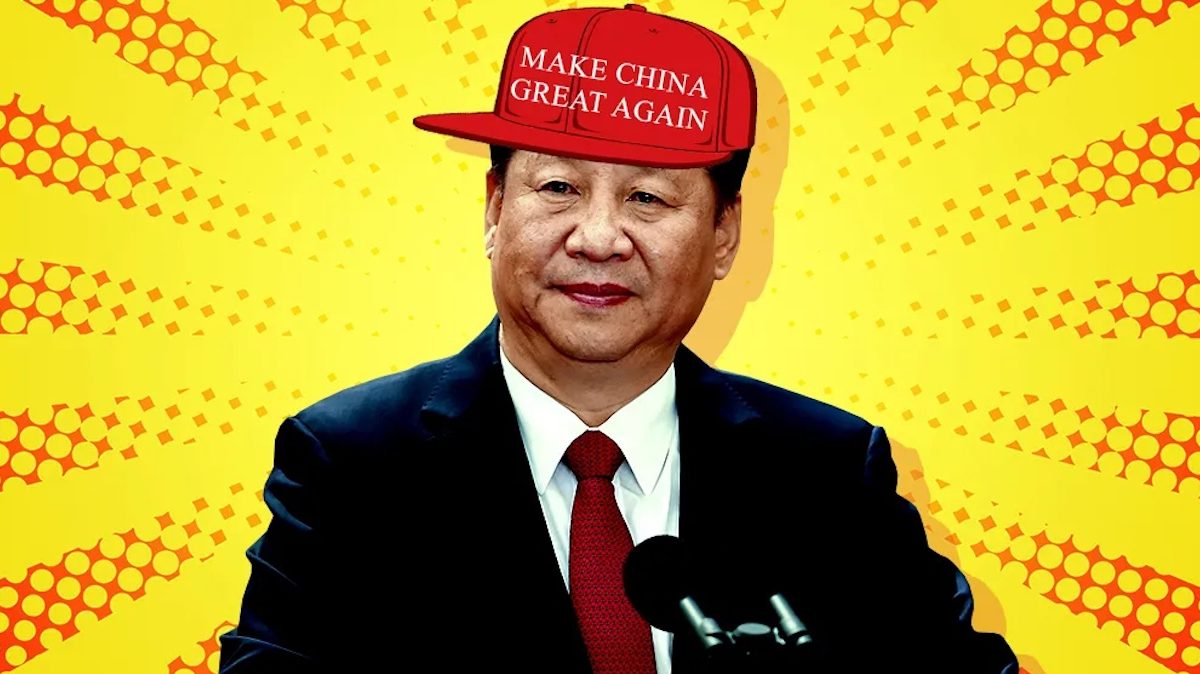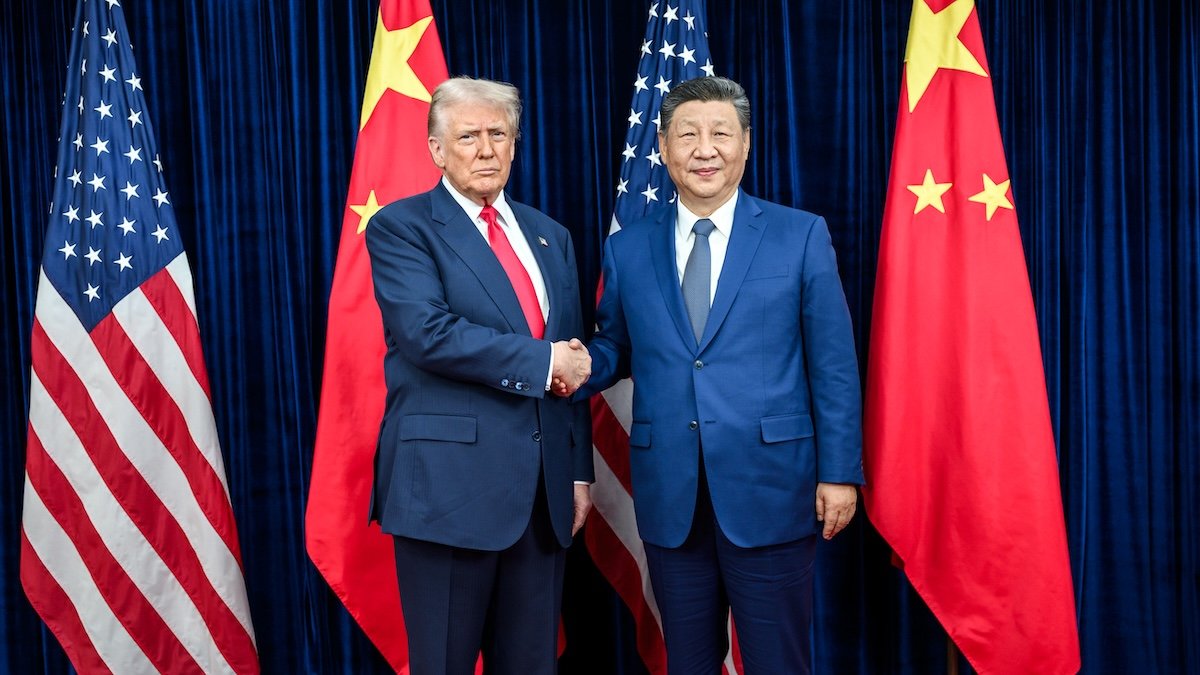
When United States President Donald Trump meets Chinese President Xi Jinping in Beijing from Wednesday to Friday, energy cooperation is set to be a central agenda item. Washington is pressing Beijing to commit to resuming regular purchases of American crude oil and liquefied natural gas (LNG), a move that could reshape supply dynamics in the Indo-Pacific.
US officials have indicated that a deal for China to buy more American energy is under active consideration. The backdrop is the ongoing war in Iran and the blockade around the Strait of Hormuz, which have raised urgent questions about China's dependence on Middle Eastern oil and gas routes. As leverage economics replaces the rules-based order, the summit may test whether transactional diplomacy can secure energy security.
China's Energy Imports from the US: A History of Ups and Downs
Chinese imports of US oil and LNG totaled US$8.4 billion in 2024, but were largely halted after the tariff war Trump initiated in April 2025. In 2024, China imported 193,000 barrels per day of US crude oil, worth about US$6 billion. Since May 2025, however, no US oil has entered China due to a 20% import tariff imposed during the trade war. Beijing offset the shortfall with higher shipments from Canada and Brazil.
For US LNG, Chinese imports have fluctuated sharply. In 2021, China imported about 7.04 million tons of US LNG, but that figure declined to 4.15 million tons in 2024 as Chinese buyers turned to suppliers such as Russia and Qatar, which offered more cost-effective cargoes. The figure fell further to 26,000 tons in 2025 after China imposed a 25% tariff on US LNG as part of the tit-for-tat trade war.
China's imports of US ethane and propane, by contrast, have been less affected by political tensions. The US was China's sole supplier of ethane and remained its largest propane supplier in 2025, both materials used for plastics manufacturing.
Carrot-and-Stick Strategy from Washington
The US has pursued a dual approach to push China toward American energy. On one hand, the US Treasury Department in April sanctioned Chinese “teapot” oil refiners and dozens of ships linked to Iran’s shadow fleet, while threatening secondary sanctions on Chinese banks that help settle transactions related to Iranian oil. US Trade Representative Jamieson Greer said on May 6 that buyers of Iranian oil were contributing to Tehran’s terrorism activities and that China’s refusal to comply with US sanctions would have to be a key discussion item in the coming Trump-Xi meeting.
On the other hand, Trump has extended an olive branch. In a White House media briefing on May 5, he described Xi as a “tremendous guy” and said he got along well with Xi. “We’ve offered that if he wants to send the ships to the US,” Trump said. “I made a statement: send your ships to Texas. It’s not that much further. Send your ships to Louisiana. Send your ships to Alaska. Alaska is actually very close to a lot of the Asian countries; people don’t realize it.”
Trump added that the US was making “tremendous” deals with South Korea and Japan, which lost their main source of oil supply due to transportation disruption in the Strait of Hormuz. He also noted that although China had 60% of its imported oil from the Strait of Hormuz, Xi has been “very respectful” as the strait’s logistics have been affected by the war in Iran.
Beijing's Cautious Response
During a regular briefing, Chinese Foreign Ministry spokesperson Lin Jian was asked about Trump’s suggestion that Beijing should buy American oil rather than Iranian oil. Lin declined to give a direct answer and referred the media to the competent authorities.
Chinese commentators have offered mixed views. Some argue the Middle East disruption strengthens the case for China to diversify oil and gas supplies, including from the US. A Hunan-based columnist using the pen name Xu Sanlang says China suspended most US energy imports as a countermeasure after Trump returned to the White House in early 2025. He notes that China’s last crude oil purchase from the US was in February 2025, while LNG imports stopped after December 2024.
Citing Chinese customs data, Xu says China imported about US$325 billion worth of crude oil in 2024, of which US crude accounted for only 1.8%, or about US$6 billion. That figure dropped to zero in 2025. However, citing Kpler data, he says nearly 600,000 barrels per day of US crude oil were loaded onto tankers bound for China in April 2026. The main reason, he argues, was Iran’s move to close the Strait of Hormuz and its strikes on energy facilities in Saudi Arabia, the United Arab Emirates and Qatar.
“Faced with this situation, the most rational response is to diversify procurement sources,” Xu writes. “Although the US is China’s trade rival, it does have sufficient energy supplies. China’s purchases of US energy were previously interrupted by a tariff war in 2025, but the situation has since changed. Supply security is more important than anything else.”
He adds: “Trump has long asked China to buy more American agricultural products, aircraft and energy products but when the trade war was intense China could ignore those demands. Now the Middle East conflicts and global supply-chain tensions have made Trump’s energy-purchase request easier for Beijing to accept.” Xu stresses that resuming US energy purchases would meet China’s own supply security needs while giving Trump some “face” during his visit to Beijing. “It kills two birds with one stone,” he said. “It protects energy security while creating favorable conditions for China-US negotiations.”
Other commentators argue that Beijing should not deepen its reliance on US energy, as Washington has illegitimately used force to control oil exports from Chinese allies, including Venezuela and Iran. A Henan-based writer notes that Trump claimed earlier this month that the US was receiving “hundreds of millions of barrels of oil” from Venezuela and sending the crude to Houston for refining. As the summit is unlikely to repeat Nixon's 1972 breakthrough, the energy question may become a litmus test for whether the two powers can manage strategic competition amid crisis.