The Trump administration is reportedly considering several options for a major escalation of its military campaign against Iran, raising fears that US troops could be drawn into a costly ground war with no clear objective or exit strategy. According to a report by Axios, the Pentagon is evaluating plans that include invading or blockading Kharg Island—Iran's primary oil export hub—and sending American forces deep into Iranian territory to seize enriched uranium. These options are described as a potential "final blow" against Tehran, despite President Donald Trump's public claims that the war has already been won decisively.
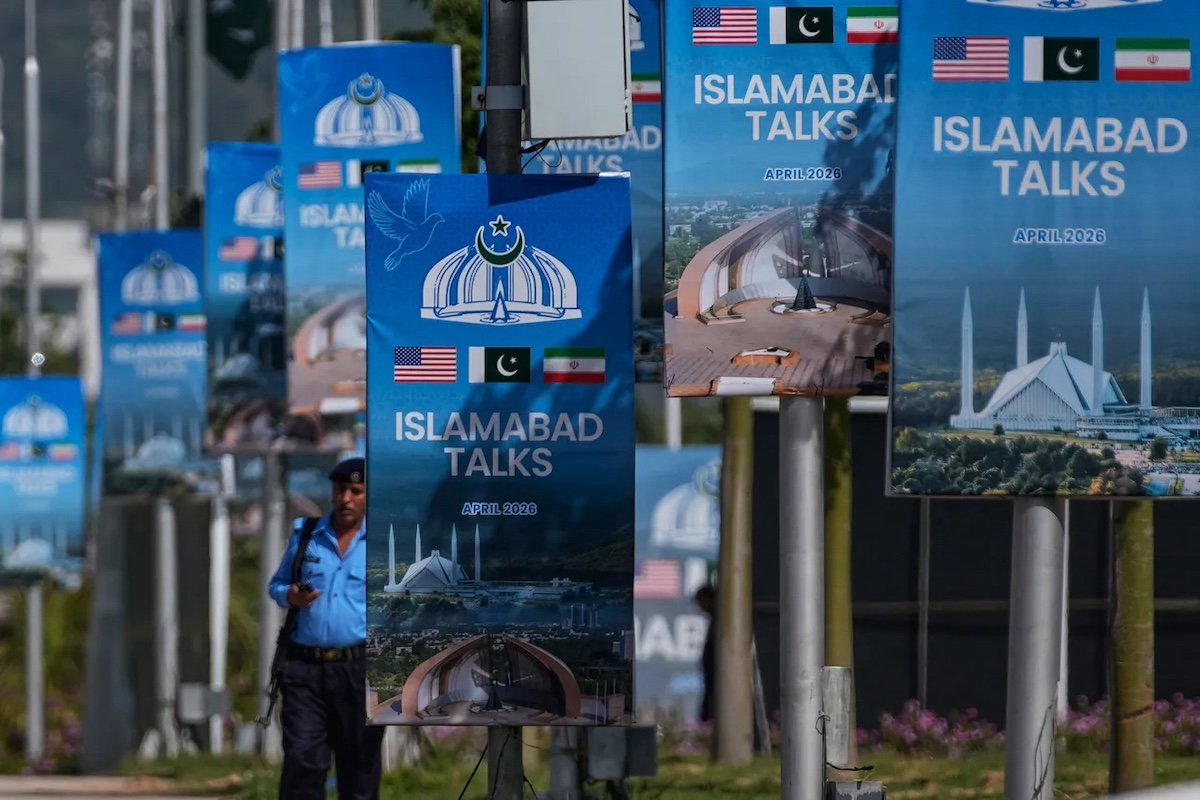
The new reporting comes amid growing concerns that the administration may be preparing for a ground invasion, which—like the ongoing bombing campaign—has not been authorized by the US Congress and is deeply unpopular with the American public. The US and Iran have both put forward demands for a diplomatic resolution, but Iranian officials have stated that no active negotiations are taking place with the Trump administration, contradicting the president's earlier assertions.
Quagmire Fears Intensify
Brandan Buck, a research fellow at the libertarian Cato Institute who has criticized the war from its outset, warned in a recent blog post that "any serious American invasion of Iran would likely rival or exceed the scale of Vietnam or the 1991 Gulf War, making it the largest US military undertaking since the Second World War." Buck noted that an invasion similar to the 2003 Iraq campaign would require as many as 1.6 million troops, given Iran's population size. "Trump's ill-considered decision to launch the war, coupled with his vague-but-ambitious goals, has made this impossible scenario a military possibility," he wrote, urging the president to declare victory and de-escalate.
Fears of an imminent ground invasion have spread even among Republicans who initially supported the administration's decision to attack Iran. Representative Nancy Mace (R-SC), who earlier this month voted against a resolution to stop the war, wrote on social media Wednesday that she "will not support troops on the ground in Iran." Mace's statement came after a closed-door House Armed Services Committee briefing on Iran, which she said left her "even more" opposed to a ground invasion. "The justifications presented to the American public for the war in Iran were not the same military objectives we were briefed on today," she wrote, calling the gap "deeply troubling."
Representative Mike Rogers (R-Ala.), who celebrated the US-Israeli bombing of Iran when it began last month, told reporters after Wednesday's briefing that "we want to know more about what's going on, what the options are, and why they're being considered." Rogers noted that Trump "has a well-documented pattern of escalating on Friday night, after the markets close."
Congressional and Regional Implications
House Democratic leaders have faced backlash for reportedly deciding to delay a vote on an Iran war powers resolution until at least mid-April, even as evidence mounts that the administration is barreling toward a potentially catastrophic ground assault. Nathan Thompson, senior policy adviser at Just Foreign Policy, warned that "Congress is in session until Friday, after which they will go on a two-week recess. If House Democrats and the House Foreign Affairs Committee wait until after the recess, the damage could be done."
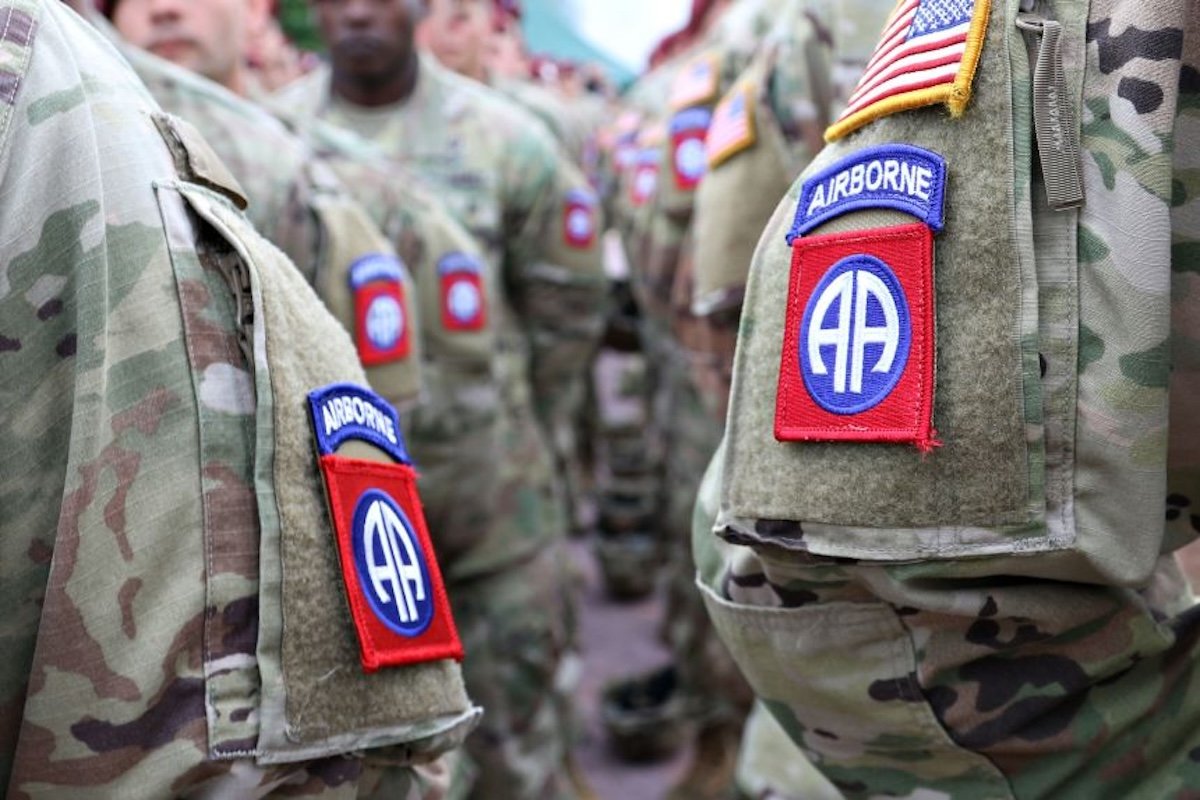
The Pentagon earlier this week ordered roughly 2,000 soldiers from the Army's 82nd Airborne Division to the Middle East, with US Central Command reporting that more than 50,000 American troops are now involved in the war on Iran. During a White House briefing on Wednesday, a reporter noted that the 82nd Airborne is typically deployed at the beginning of conflicts and asked whether the White House considers the conflict wrapping up or changing shape. Press Secretary Karoline Leavitt responded that "the president likes to maintain options at his disposal."
Drop Site's Ryan Grim, citing an unnamed source, reported Thursday that Naval Special Warfare teams and Tier 1 operators have also received deployment orders, suggesting that "all the pieces are in place for a ground operation within a day."
The potential escalation has significant implications for the Indo-Pacific region, as any major US military commitment in the Middle East could shift strategic priorities away from Asia. Analysts have noted that a prolonged conflict in Iran would likely strain US resources and attention, potentially affecting alliances with key partners such as Japan, South Korea, and Australia. Meanwhile, China and India, both major importers of Iranian oil, face economic fallout from any blockade of Kharg Island, which could disrupt global energy markets and heighten tensions in the South China Sea and Indian Ocean.
For a broader perspective on the strategic risks of the current campaign, see our analysis: Trump's Iran Campaign: A Pyrrhic Victory in the Making?. Additionally, the potential for a Hormuz blockade and its impact on upcoming US-China summit talks is explored in Hormuz Blockade Raises Stakes Ahead of Trump-Xi Summit.