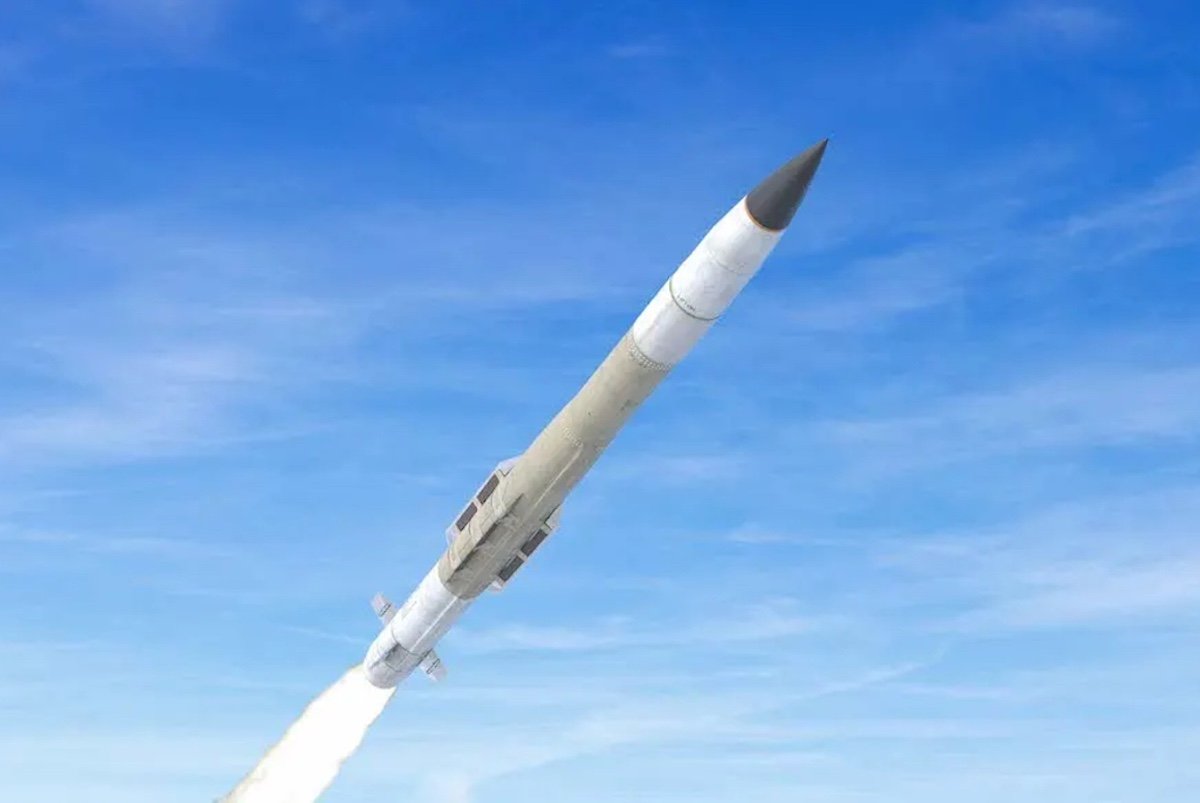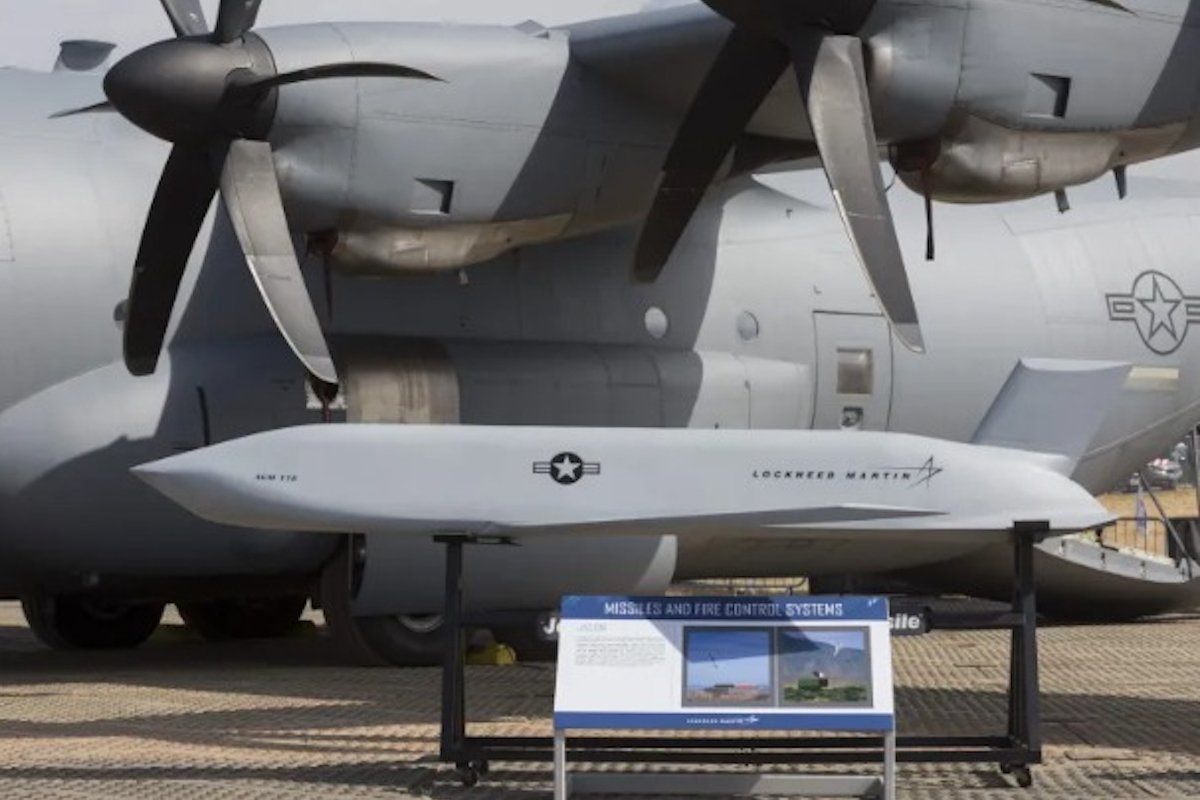
The United States has redirected the bulk of its most advanced long-range cruise missiles to support the ongoing air campaign in Iran, a move that is depleting stocks previously earmarked for the Indo-Pacific and raising questions about Washington's ability to deter a potential conflict with China. According to a report by the South China Morning Post citing anonymous sources, the decision, issued in late March, shifts the stealthy JASSM-ER missiles to US Central Command (CENTCOM) bases and European staging areas as operations intensify alongside Israel.
The JASSM-ER, capable of striking targets from over 965 kilometers with a 450-kilogram warhead designed to penetrate hardened defenses, has been used extensively in the first four weeks of the campaign. About two-thirds of the US pre-war inventory of 2,300 missiles are now committed to the Iran theater, leaving only an estimated 425 usable missiles worldwide. This sharp reduction in available munitions is particularly concerning for the Pacific theater, where the US relies on such standoff weapons to counter Chinese anti-access and area denial capabilities.
Operational Demands and Industrial Gaps
The rapid expenditure of JASSM-ER missiles reflects the high tempo of operations in Iran. In the first 96 hours of Operation Epic Fury, the US launched 135 JASSM/JASSM-ER missiles, according to data cited by the Foreign Policy Research Institute (FPRI). With President Donald Trump signaling further intensification, the burn rate could accelerate, exacerbating a shortage that analysts warn may force reliance on less capable alternatives. In a March 2026 press briefing, Chairman of the Joint Chiefs of Staff General Dan Caine noted that the US may need to replace Tomahawk cruise missiles with shorter-range Joint Direct Attack Munitions (JDAM) and AGM-114 Hellfire missiles.
The strain on munitions is compounded by structural constraints in the US defense industrial base. A January 2023 report by Seth Jones at the Center for Strategic and International Studies (CSIS) highlighted that the defense industry operates at a peacetime pace with limited surge capacity, relying on multi-year contracts and 12–24-month lead times for critical components. Tyler Hacker's June 2023 analysis for the Center for Strategic and Budgetary Assessments further noted that complex, high-end designs like the JASSM-ER make rapid surge production impossible, leaving existing inventories as the key to near-term warfighting capacity. Replenishment of JASSM-ER stocks is expected to take years, even as the Department of Defense expands manufacturing capacity.
This imbalance between consumption and replenishment has direct implications for the Indo-Pacific. A CSIS briefing on a potential conflict over Taiwan showed that starting with a stockpile of 500 JASSM-ER missiles, supplies would be exhausted rapidly. The current diversion effectively disarms the US in the Pacific to sustain operations in Iran, undermining deterrence against China. As the US Navy's next-gen fighter competition tests carrier aviation's future against China, the shortage of standoff munitions could limit options in a high-end conflict.
Despite US claims that 85% of Iran's air defense systems have been neutralized, the New York Times reported this month that multiple shoot-downs of US aircraft, including an F-15E and an A-10, indicate that Iran's defenses remain a threat. Iran has maintained much of its capabilities underground, with launchers that can be quickly redeployed after strikes. This persistent threat may be driving the heavy reliance on JASSM-ER missiles, which are designed to penetrate defended airspace.
The broader strategic calculus also involves China's potential role in the conflict. As China's role emerges as key to reviving the Iran nuclear deal and ending the conflict, any prolonged US engagement in the Middle East could provide Beijing with opportunities to advance its interests in the Indo-Pacific. The diversion of JASSM-ER missiles is a tangible sign of the trade-offs Washington faces as it juggles commitments across theaters.
For allies in Asia, the depletion of US long-range strike capabilities raises questions about the credibility of American security guarantees. Japan, South Korea, and Australia, which host US forces or rely on US power projection, may need to reassess their own defense postures. The situation underscores the need for greater burden-sharing and investment in indigenous strike capabilities among regional partners.