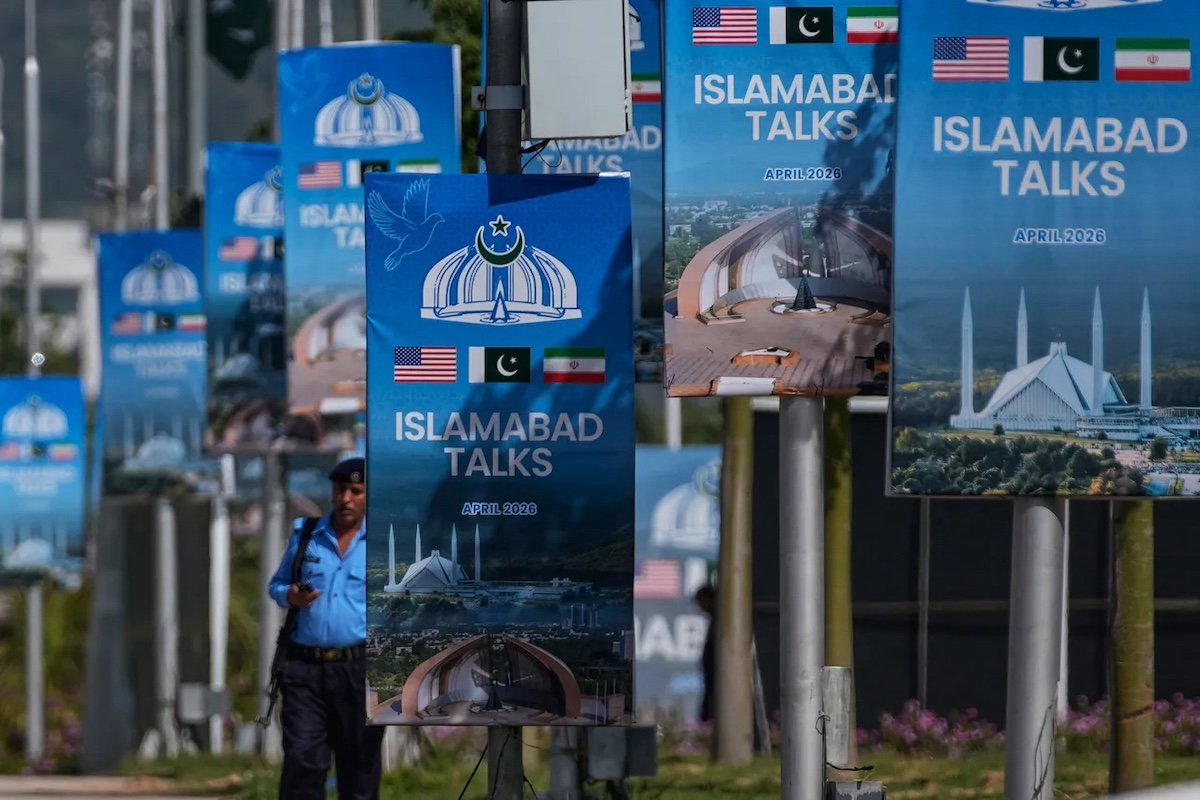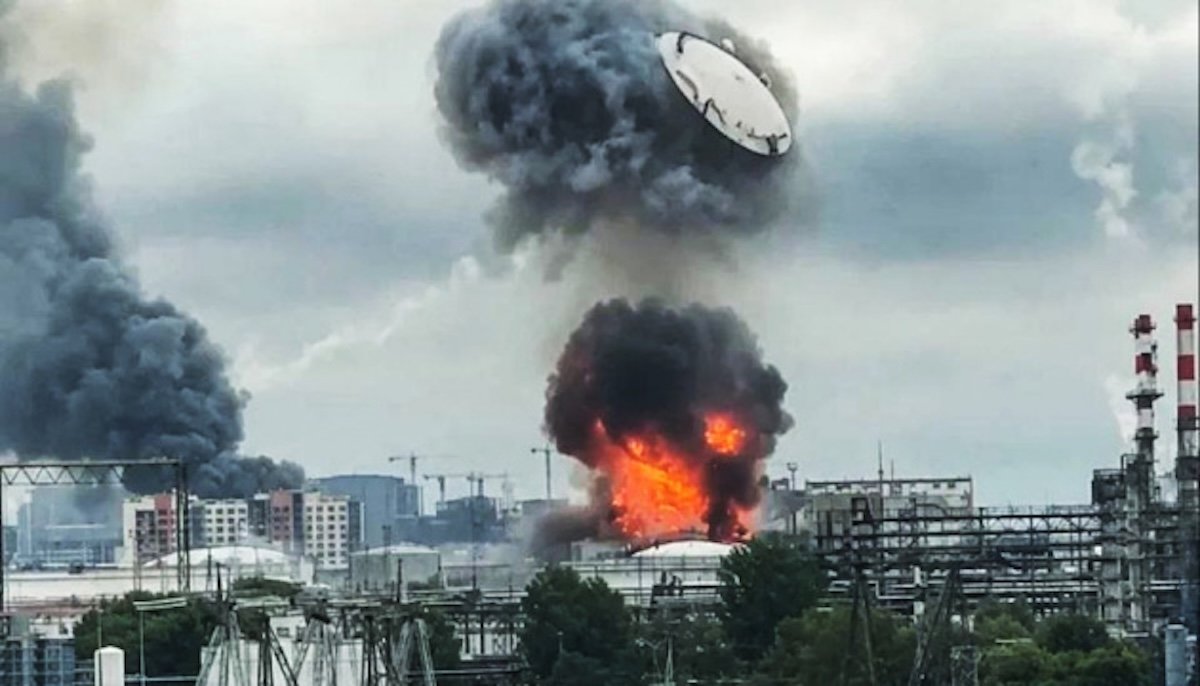
Iran has emerged from nearly four months of sustained conflict with a nuclear-armed regional rival, Israel, and the world's most powerful military, the United States, without being defeated. The regime in Tehran retains control over its population and territory. Although its economy is under strain, Iran's industrial base continues to produce missiles, drones, and rockets at a steady pace. Many senior Iranian leaders have been killed, but the survivors remain committed to negotiating from a position of strength.
Australia, of course, is a very different country—democratic, geographically isolated, and not facing imminent war. Yet the Iranian experience, alongside Ukraine's, offers valuable lessons for how a middle power can prepare for modern conflict. Here are several takeaways for Canberra and other middle powers in the Indo-Pacific.
Unconventional Deterrence in Practice
Before the current hostilities, Iran's so-called “axis of resistance”—which includes the Houthis in Yemen, Hezbollah in Lebanon, Hamas in Gaza, and Shia militias in Iraq—provided it with strategic depth. This network of proxy groups created asymmetric deterrence, preventing more powerful adversaries from launching direct attacks for decades.
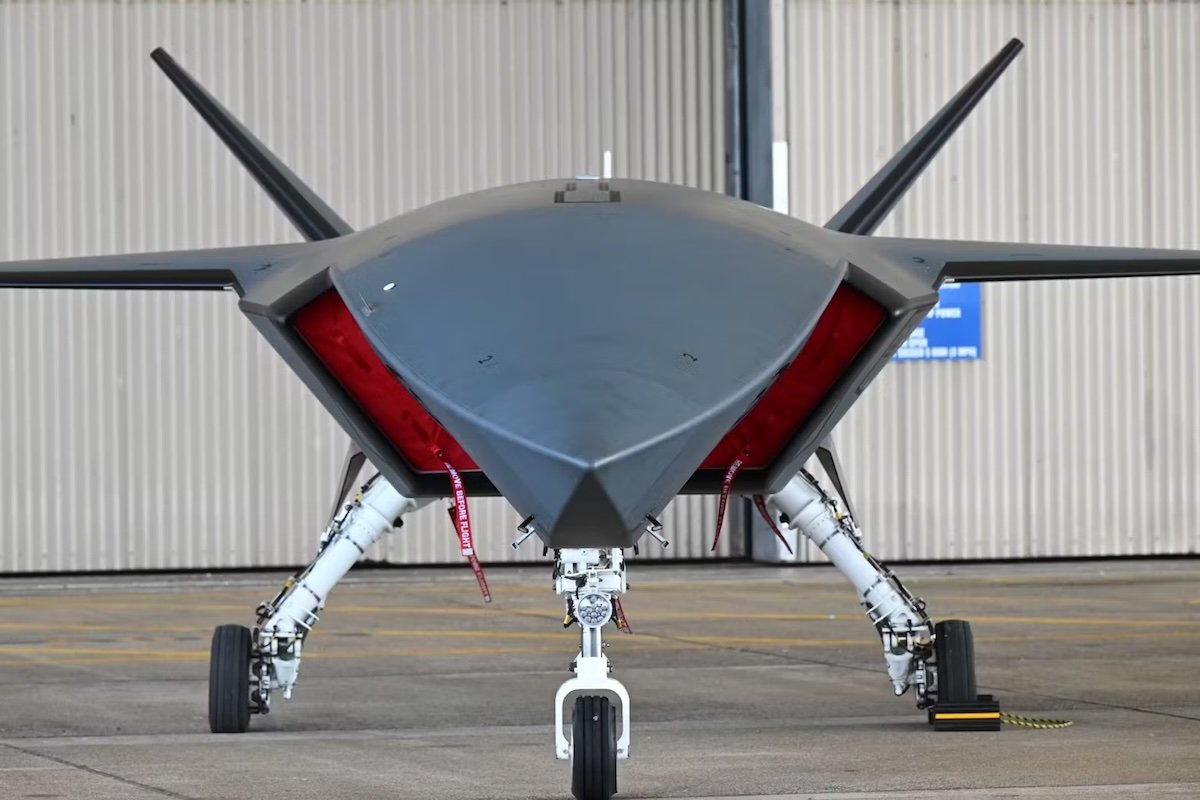
When the United States and Israel eventually did strike Iran in last year's 12-day war and again this year, they did so knowing that Iran's proxies could retaliate by targeting their bases, sabotaging infrastructure, or undermining alliances—all of which occurred. Australia would never sponsor terrorism, but it can adopt an ethical and legal form of unconventional deterrence. For example, small, well-armed amphibious teams or a fleet of air, surface, and undersea drones could influence an adversary's calculus about whether and how to attack.
Deterrence Must Continue During War
Deterrence is often viewed as a pre-war strategy: if war breaks out, deterrence has failed. Iran's experience challenges that assumption. Even as fighting raged, Tehran maintained the ability to deter escalation by holding key assets at risk—such as oil infrastructure or regional bases—and by signaling that a wider war would be costly for its enemies. For Australia, this means investing in capabilities that can impose costs on an adversary even after hostilities begin, such as long-range precision strike systems or cyber operations.
Industrial Mobilization as a Strategic Asset
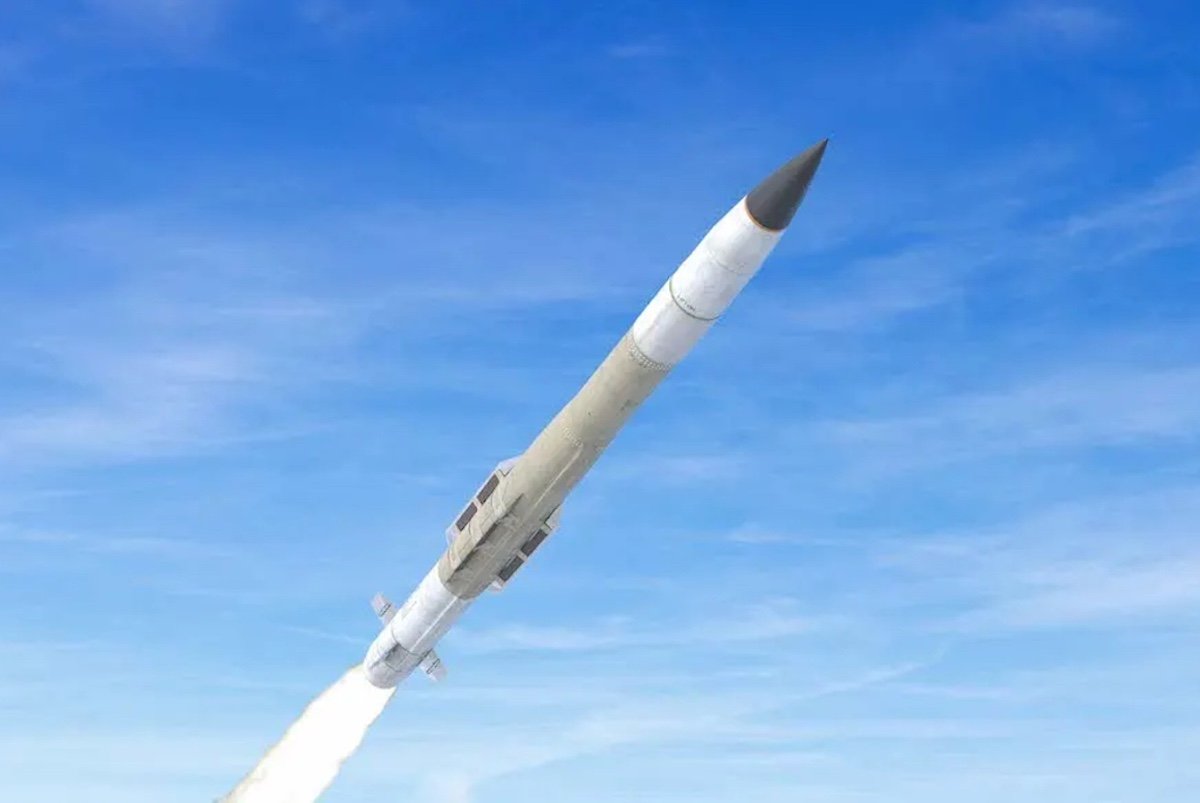
Iran's ability to keep its defense industry running despite sanctions and wartime damage is a critical lesson. Its factories continue to churn out missiles and drones, ensuring a steady supply of munitions. Australia, by contrast, relies heavily on imported defense equipment, much of it from the United States. To enhance resilience, Canberra should consider building a more self-sufficient defense industrial base, including domestic production of key munitions and components. This aligns with broader trends seen in Ukraine, where local manufacturing has proven vital.
For more on how middle powers are adapting, see our analysis of Ukraine's rise as a middle power.
Strategic Patience and Negotiation
Iran has shown that even after suffering leadership losses, a determined state can use negotiations to buy time and extract concessions. Tehran's negotiators have leveraged the threat of further escalation to improve their bargaining position. For Australia, this underscores the importance of diplomatic resilience: maintaining a clear-eyed negotiation strategy even when under pressure, and using all tools—economic, military, and informational—to shape outcomes.
The broader lesson for middle powers in the Indo-Pacific is that asymmetric strategies can level the playing field against larger adversaries. While Australia's alliances, particularly AUKUS, provide significant advantages, they should not be a substitute for indigenous capabilities. As the AUKUS submarine deal shifts, Canberra must ensure it retains strategic autonomy.
Ultimately, Iran's experience is not a blueprint to copy but a case study in how a middle power can survive and even shape outcomes against more powerful foes. For Australia, the key is to adapt these lessons to its own democratic values and strategic geography.