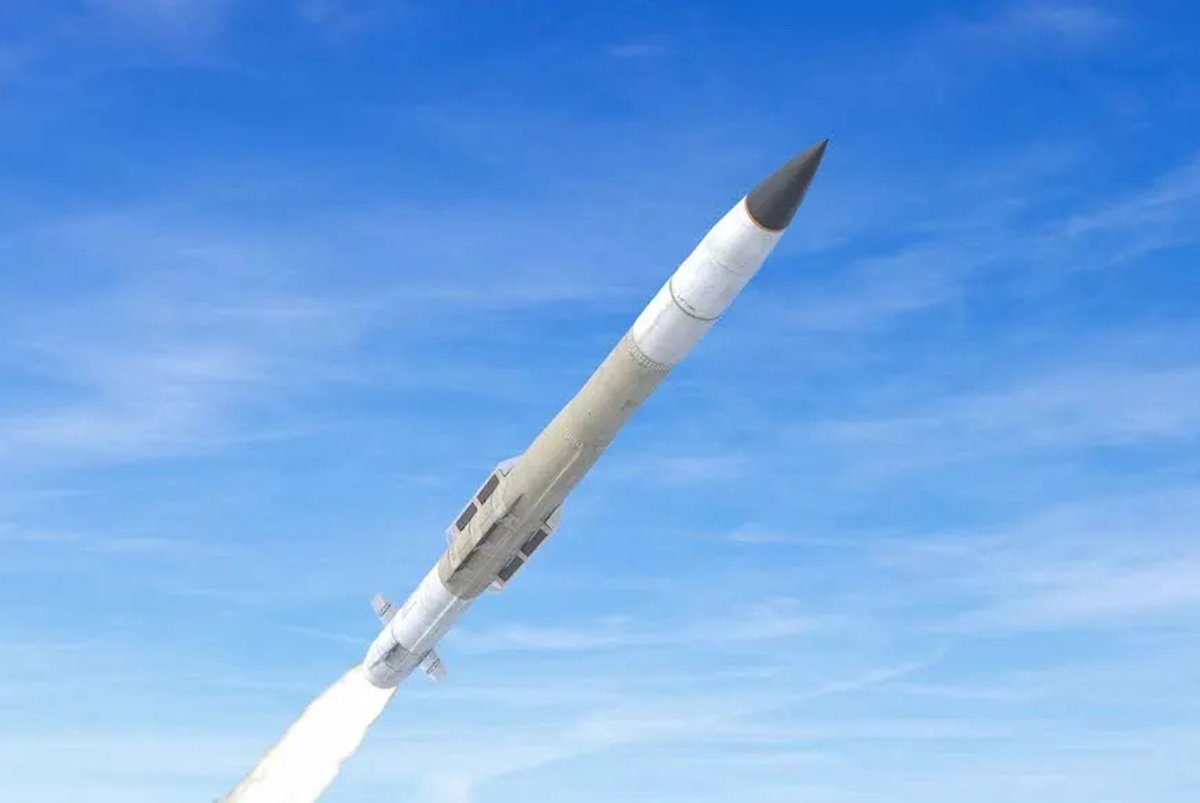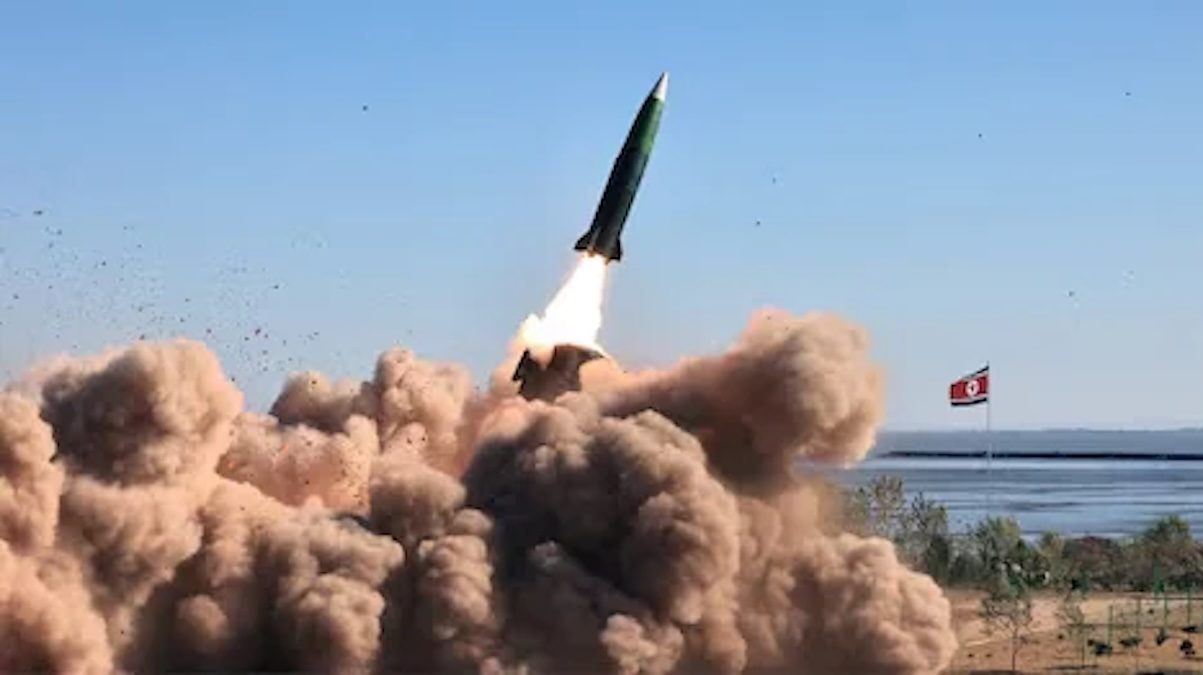
North Korea's missile program has entered a more complex and consequential phase in 2026. According to reports available as of November 6, Pyongyang has conducted roughly 20 missile-related tests and exercises since January. But the real story is not the number of launches—it is the rapid diversification of the weapons themselves.
Beyond traditional ballistic missiles, North Korea is now experimenting with hypersonic glide vehicles, cluster and mine-dispersing warheads, AI-assisted guidance, sea-based launch platforms, and integrated air-defense systems. This suggests a strategic shift from building individual weapons to constructing a networked, multi-domain strike capability.
From single missiles to a system of systems
Pyongyang's 2026 testing program reveals a deliberate effort to broaden its military toolkit. The Hwasong-11 Ma series, for instance, reportedly incorporates maneuverable flight technology designed to defeat interceptors. The 600-mm super-large multiple rocket launchers are being tested for accuracy and coordinated firing, potentially delivering heavy firepower against fixed installations.
Equally significant are reports of cluster and mine-dispersing warheads for tactical ballistic missiles. These are designed to saturate areas, increasing the threat to South Korean airfields, logistics hubs, and troop concentrations. Meanwhile, cruise missile tests from the Choe Hyon destroyer indicate a push to expand maritime strike options, adding new launch platforms that complicate defense planning.
Perhaps most telling is the reported work on AI-assisted targeting, autonomous navigation, and anti-jamming technologies. While the maturity of these systems is uncertain, their development signals an intent to improve accuracy and resilience against electronic warfare. Combined exercises involving ballistic missiles, cruise missiles, rockets, and drones point to a desire to coordinate different systems rather than use them in isolation.
This is a marked departure from the past, when North Korea focused on perfecting individual missile types. Now it is building an interconnected architecture that can attack through multiple trajectories, platforms, and warhead configurations.
Why missiles? The airpower gap
The fundamental driver is the overwhelming conventional imbalance between North Korea and the US-South Korea alliance, particularly in the air. South Korea fields one of Asia's most advanced air forces, with F-35A stealth fighters, F-15K multirole jets, modernized KF-16s, and FA-50 light combat aircraft. It also operates E-737 early-warning aircraft, aerial refueling tankers, and reconnaissance platforms, backed by the indigenous KF-21 program.
American airpower adds another layer. The US Seventh Air Force operates F-16 squadrons at Osan and Kunsan, supported by intelligence, surveillance, and command-and-control assets. The broader US arsenal in the region includes F-35s, F-22s, strategic bombers, and carrier-based aviation. Together, these forces give the alliance overwhelming superiority in air combat, precision strike, and electronic warfare.
North Korea cannot realistically match this with conventional aircraft. Its economy, industrial base, and international sanctions limit its ability to acquire and sustain modern fighters. Its aging air force would be decimated in a contest with stealth aircraft and advanced sensors.
Missiles offer a cheaper, more survivable alternative. They can hold targets at risk without contesting the air, and they complicate alliance defenses by presenting multiple attack vectors. As tensions on the peninsula rise, Pyongyang's missile diversification is a direct response to its strategic vulnerability.
The implications for Seoul and Washington are significant. The alliance's missile defense systems, designed to counter a limited number of ballistic threats, may be strained by saturation attacks and hypersonic glide vehicles. The integration of AI and anti-jamming technologies could further erode the effectiveness of electronic countermeasures.
North Korea's new patrons in Moscow and Beijing have likely facilitated some of these advances, as rivalry and cooperation over Pyongyang evolve. The result is a more dangerous and unpredictable security environment, one that demands a rethink of deterrence strategies.
As Pyongyang's new patrons let it ignore Seoul's overtures, the window for diplomacy appears narrow. The missile tests are not just technical exercises; they are a strategic statement that North Korea intends to remain a formidable military power, regardless of international pressure.