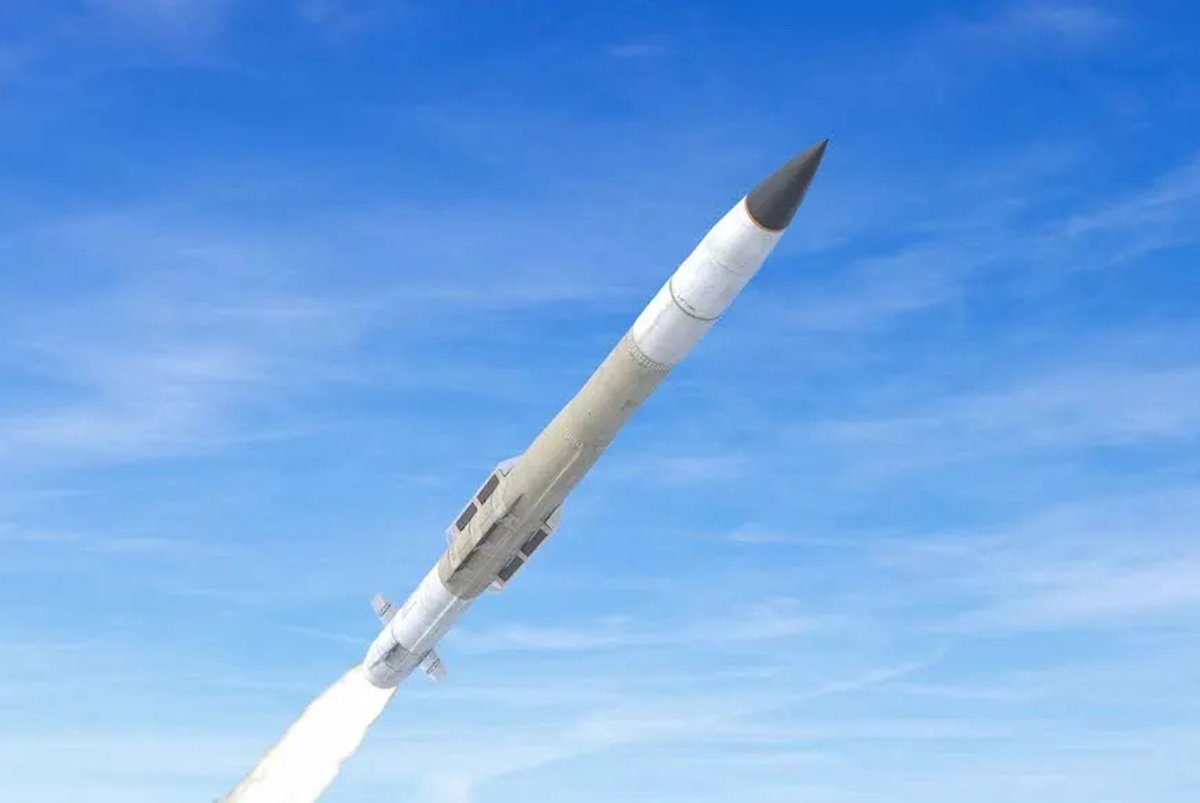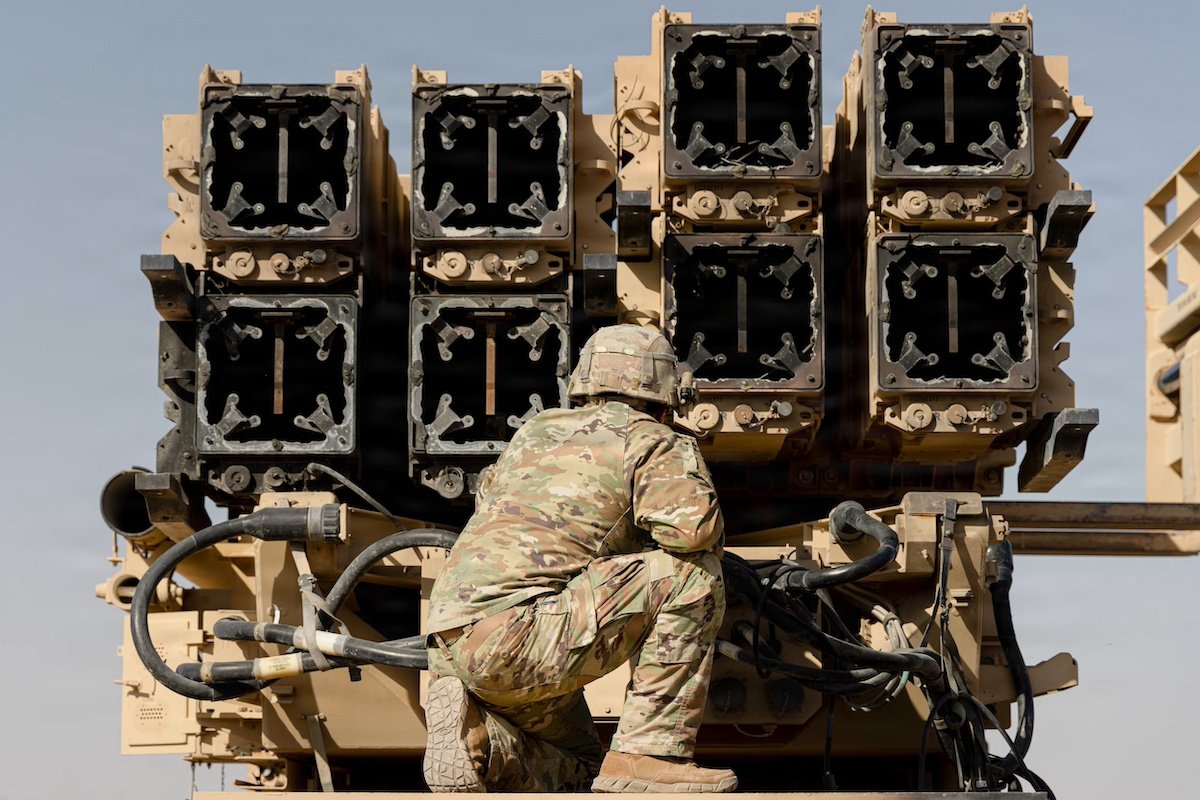
The Pentagon is finally confronting a sobering reality: its arsenal of precision and conventional weapons is far too small to sustain a prolonged conflict beyond a few days. The rapid depletion of Patriot and HIMARS missiles, shortages of 155mm artillery shells, and a lack of replacement radars and launchers have exposed the limits of American military power. Even more troubling, the failure to protect US and allied bases against a second-tier threat like Iran shows that current systems are not up to the task.
Adversaries from Moscow to Beijing, and even Tehran and the Houthis, have taken note. Any major conflict in Europe or Asia would now place the United States at a severe disadvantage. The problem is not just quantity—it is also cost and manufacturability. A single Patriot interceptor costs nearly $4 million, and with two typically required to ensure a high probability of kill, the expense becomes prohibitive.
The roots of the crisis
The US defense industrial base is dominated by five giants—Lockheed Martin, RTX, Northrop Grumman, General Dynamics, and Boeing—each a patchwork of acquisitions never designed for mass production. Traditional ammunition and gun tube makers are often aging firms that cannot significantly accelerate output. This consolidation was a deliberate Pentagon policy, launched on July 21, 1993, when then-Defense Secretary Les Aspin and Deputy Secretary William Perry summoned a dozen top defense executives to what became known as "The Last Supper." They were told that within five years, half of them would be gone, and the Pentagon would no longer fund them all.
The result was a handful of powerful contractors with little incentive to cut costs, speed up production, or innovate. Foreign competition was effectively blocked. The superior European Airbus refueling aircraft was rejected in favor of a problematic Boeing design. The UK's Harrier jump jet was forced into a costly US redesign. Even the FFG(X) frigate program, based on Europe's successful FREMM design, was burdened with incompatible US systems and unnecessary reengineering, delaying delivery by years. US laws prohibiting foreign hulls further compounded the problem.
Manufacturing bottlenecks
Government-owned arsenals are no better. The Watervliet Arsenal in upstate New York, founded in 1813, produces gun tubes for 155mm artillery and 120mm tank guns. These tubes wear out quickly, yet Watervliet can only make 216 155mm tubes a year—far below demand. In Ukraine, a third of big guns are out of action due to missing tubes. The arsenal has a $900 billion backlog, and each tube takes four months to produce. As a government-owned, government-operated facility, it is effectively untouchable, so funding a competitor is not an option.
The search for cheaper, faster solutions is only beginning, and real reform will take years. The recent failures in the Persian Gulf, where the US and its allies failed to protect bases from Iranian and Houthi attacks despite the most advanced air defense hardware, underscore that even the best "solutions" are not good enough.
Consider the Patriot system, America's premier air defense. First deployed in 1985, it has been upgraded over four decades, but its PAC-3 interceptors are in critically short supply. During a five-week period earlier this year, US and coalition forces expended an estimated 1,700 Patriot missiles—more than double the current US reserve of about 750. Lockheed Martin produces roughly 650 a year, but delays, including on the Boeing-made radar seeker, persist. The Pentagon recently approved a sale of 500 Patriot missiles to Ukraine, but as President Volodymyr Zelensky noted, they will not arrive for years.
The issue is not just efficacy—though some question Patriot's performance against modern ballistic missiles—but survivability under massed attacks. The US needs to rethink its approach: invest in cheaper, more producible systems, consider foreign suppliers where appropriate, and rebuild a defense industrial base that can surge in a crisis. Without these changes, the empty arsenal will remain an empty threat, undermining deterrence from the Indo-Pacific to Europe. As the nuclear arsenal race intensifies, the conventional deficit becomes even more glaring. The Pentagon's future warfare project, led by figures like Elon Musk and Palmer Luckey, may offer new ideas, but the jury is still out. Meanwhile, the drone threat to US bases remains unaddressed, and Starlink speed limits are already affecting Ukraine's drone war. The time for action is now.