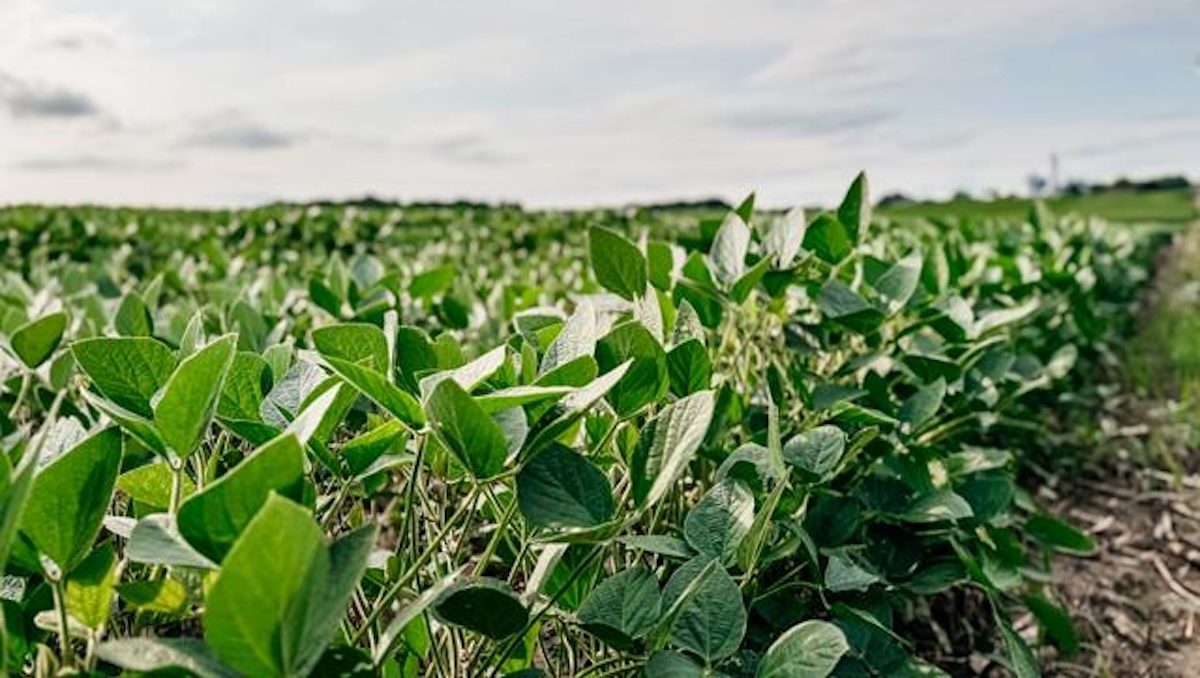
An expert on China's military has floated a novel idea that might make soybean farmers sit up and take notice. In a recent piece for Foreign Affairs, Joel Wuthnow of the National Defense University in Washington argues that China's heavy dependence on imported soybeans could be a strategic brake on any decision to seize Taiwan by force.
His logic runs like this: in a shooting war over Taiwan, foreign bean shipments would dry up. The United States would slap an embargo on exports from its own ports and blockade vessels coming from South America. Even without a formal blockade, Wuthnow suggests, soaring insurance premiums would make shipowners think twice about sailing into Chinese waters.
Wuthnow acknowledges that Beijing has been stockpiling soybeans, along with oil and other imported commodities. But unlike oil, soybeans are perishable. There are limits to how long they can be stored. A prolonged conflict would exhaust China's reserves and force its people back to a grain-heavy diet that would be deeply unpopular. As he puts it, “The key for deterring Chinese leaders from starting a conflict is to convince them that a domestic crisis would arrive sooner than any battlefield victory.”
Wuthnow is a respected China watcher, but he is not a soybean agronomist. And I am neither. Still, you don't need a PhD to poke holes in the thesis.
How fragile is the stockpile, really?
First, would China's soybean stockpile really last only a few months? Beijing tries to buy dry beans when it can, and modern storage technology can keep them viable for a year or more. Wuthnow's assumption of a short shelf life may be too pessimistic.
Second, he downplays China's efforts to diversify suppliers, boost domestic production, and tweak animal feed formulas to reduce soybean content. Are we sure those efforts aren't making headway? China has been investing in Brazilian and Argentine supply chains, and its farmers have been encouraged to plant more soybeans at home.
Third, would a domestic crisis actually deter China's leaders? They have spent years stoking nationalism. Acquiring Taiwan is a core party goal. During World War II, Americans accepted meat rationing as a necessary sacrifice. Why assume the Chinese people would not similarly tolerate belt-tightening for what their government frames as a patriotic reunification?
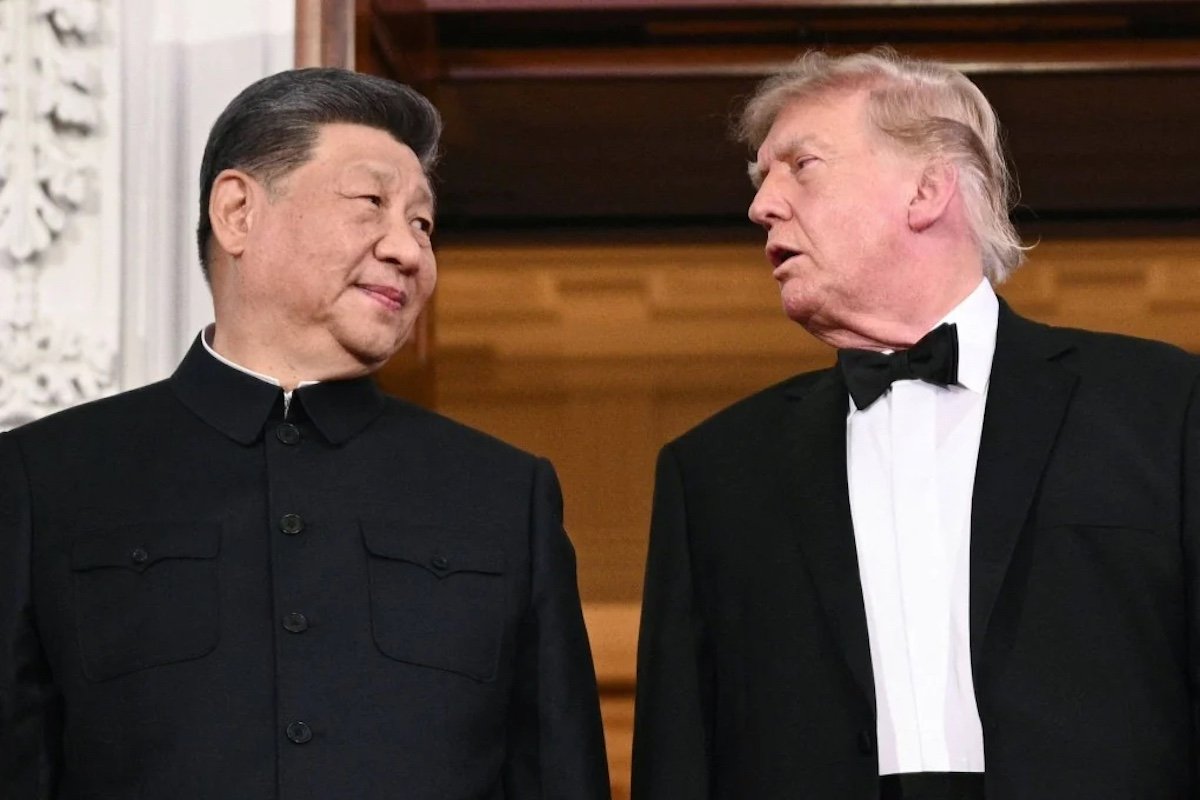
Fourth, Beijing might calculate that Washington would not intervene. US policy has long been one of strategic ambiguity, but President Donald J. Trump has been more dovish in his second term. He has called arms sales to Taiwan “negotiating chips,” suggesting they could be traded away for a better trade deal. His constant complaints about the cost of overseas commitments have even some American analysts questioning whether Washington would fight for Taiwan. Chinese leaders are surely asking the same question.
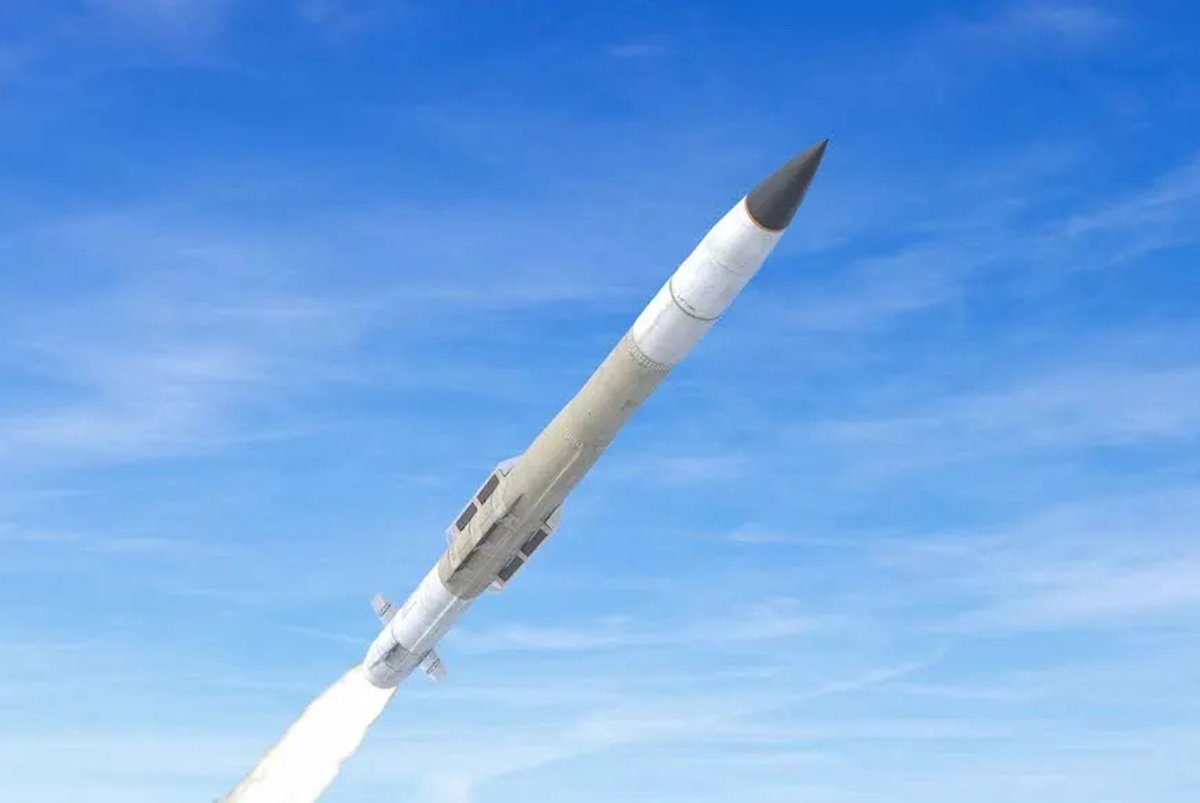
Fifth, Beijing might expect a quick victory rather than a long war. China is building a navy that dwarfs the US fleet in numbers, and it has stockpiled missiles and other weapons. War games have suggested US missile supplies would run out within a week—and that was before Washington drew down stocks to support Ukraine.
Finally, consider the broader economic balance. China imports soybeans from the US and Brazil, but the US and its allies rely on China for rare earth elements and other critical materials. If the Chinese people can fall back on grains and vegetables, can American high-tech industries function without Chinese inputs? Beijing might conclude that its own vulnerabilities are less severe than Washington's.
To give Wuthnow credit, he does not overstate the soybean factor. He calls it simply an overlooked vulnerability. That is fair. But how decisive it would be is another matter.
His broader recommendation is more sensible: “The United States, Taiwan, and other governments should invest in drones, rebuild munitions stockpiles, and ramp up messaging to China that a long, drawn-out conflict is likely.” That is sound advice, regardless of the soybean question.
In the end, soybeans alone are unlikely to save Taiwan. Deterrence will depend on credible military capability, allied resolve, and a clear-eyed assessment in Beijing of the costs. As China's domestic weaknesses grow, its leaders may be more tempted to seek external victories. And as US supply chain failures mount, the balance of leverage is not as one-sided as Wuthnow suggests.