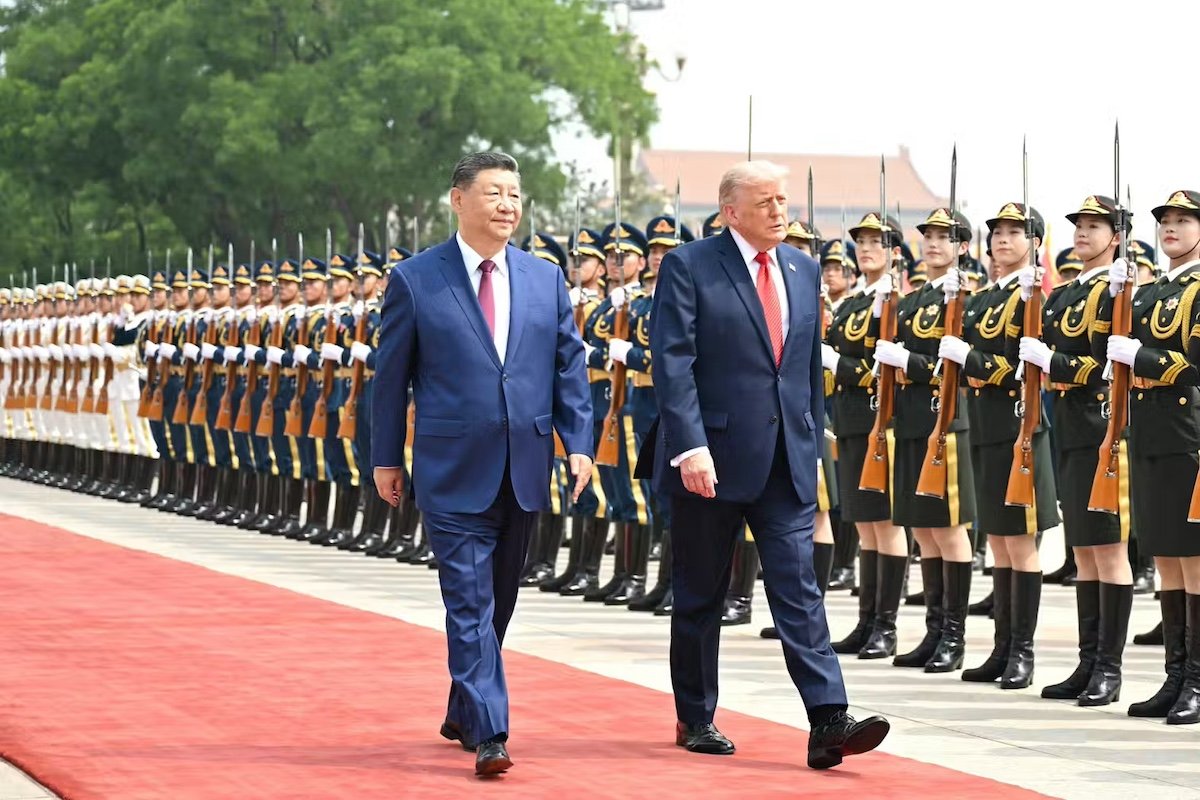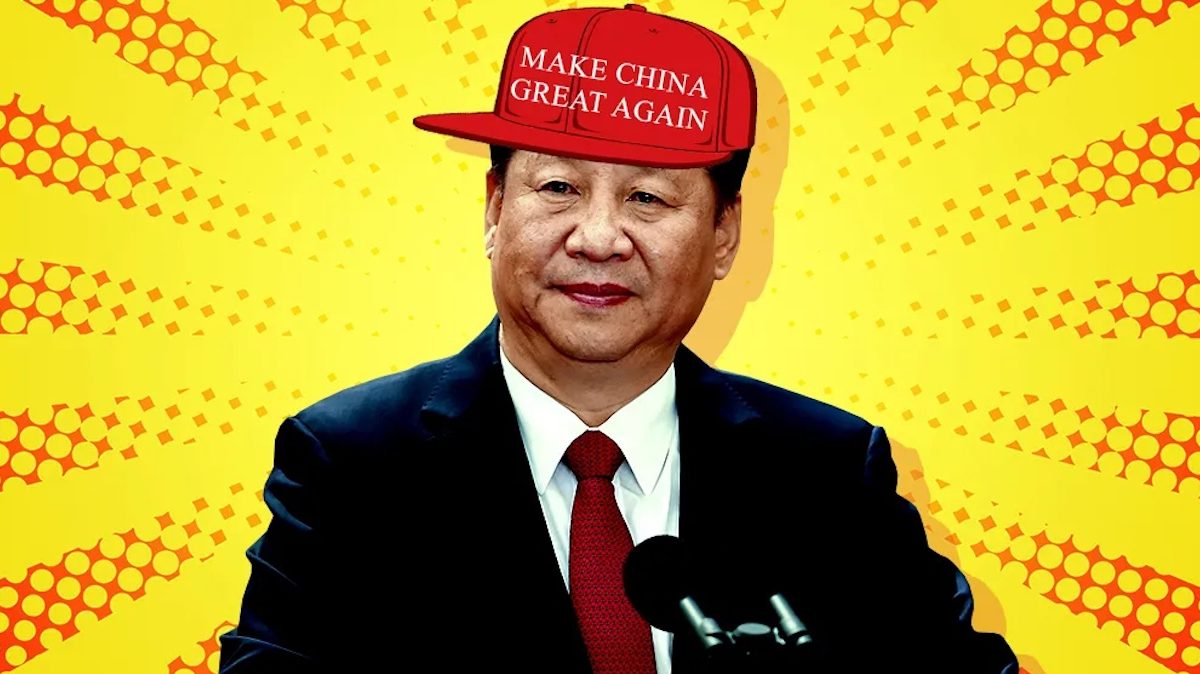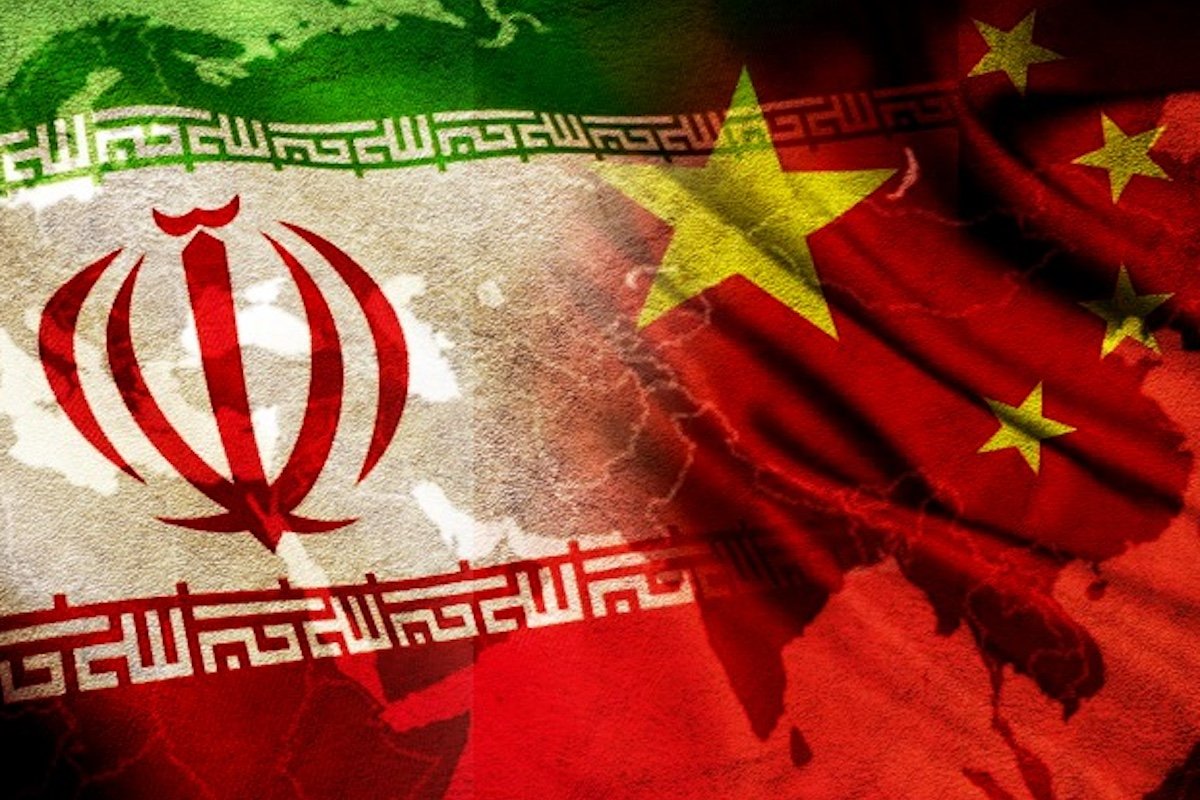
The protracted conflict between the United States and Iran has reached a familiar, costly stalemate, characterized by escalating military expenditures and strategic drift. As Washington grapples with an adversary that refuses to conform to its operational playbook, a potential path to de-escalation may lie not with a traditional Western ally, but with the People's Republic of China.
The irony is pronounced. For years, a segment of the US foreign policy establishment framed Iran as a forward outpost in a broader confrontation with Beijing. Yet, it is precisely China's cultivated relationships with both capitals that now position it as the sole actor with sufficient leverage and credibility to broker an exit. The so-called 'axis' once feared has become a potential diplomatic lifeline.
Beijing's Stake in Gulf Stability
Contrary to some narratives, China has no interest in a prolonged US-Iran war. Beijing's primary focus is economic stability and secure resource flows. A continuing conflict directly threatens the energy markets upon which China's economy depends, risks destabilizing its western periphery through refugee flows, and endangers the hundreds of billions of dollars Chinese state enterprises have invested across the Gulf region.
This pragmatic calculus was evident in Beijing's mediation of the 2023 diplomatic thaw between Saudi Arabia and Iran. That agreement, initially dismissed by some in Washington, has held. It demonstrated China's capacity for effective, interest-driven diplomacy in a region where American influence has waned. As explored in our analysis of China's role in reviving the Iran nuclear deal, Beijing's leverage is both economic and diplomatic.
The Unique Leverage of a Non-Belligerent
The fundamental impediment to US-led mediation is that Washington is a party to the conflict. It cannot credibly act as an honest broker while simultaneously conducting military operations and enforcing stringent sanctions against Tehran. China suffers from no such contradiction.
Beijing can offer Iran something Washington cannot: a viable economic pathway. Iranian oil already flows to Chinese refineries through networks that have largely evaded US sanctions. A Chinese-brokered settlement could legitimize this trade, providing Tehran's leadership with a crucial economic incentive and a face-saving narrative for domestic consumption. Conversely, China holds significant financial and diplomatic leverage over Iran, capable of extracting meaningful concessions by threatening to withdraw its critical economic support.
The regime in Tehran has observed the fates of Saddam Hussein and Muammar Gaddafi, as well as the survival of North Korea. Its primary objective is regime preservation. An arrangement brokered by China that constrains Iran's most destabilizing regional behaviors while allowing the state to survive aligns with this goal and with Beijing's interest in regional calm. This dynamic is further complicated by Iran's assertive control over the Strait of Hormuz, a vital chokepoint for global energy.
A Structural Inversion of Diplomatic History
The situation presents a structural inversion of the logic behind the 1972 US opening to China. Then, only a staunch anti-communist like President Richard Nixon had the political capital to make the move. Today, only China possesses the requisite combination of credibility, deep economic ties, and clean hands to engage Tehran productively.
There is historical precedent for great powers utilizing third-party intermediaries to extricate themselves from unwinnable conflicts. The Paris Peace Talks to end the Vietnam War involved backchannels through Moscow and Beijing. The 1981 Algiers Accords, which resolved the US hostage crisis with Iran, were mediated by Algeria. Seeking a pragmatic exit is not a sign of weakness but of strategic realism.
The Requirements for a Settlement
For Chinese mediation to succeed, Washington must perform the difficult task of restraining its own maximalist demands. It would need to signal, credibly and privately, a willingness to accept a negotiated outcome that does not entail regime change in Tehran or the complete dismantlement of Iranian military capacity. It must forgo demanding a public capitulation that no Iranian government could survive.
In essence, the US must accept what looks like a stalemate—a realist's escape from a slow-motion catastrophe. The alternative is a war of attrition against a nation of 90 million people with a long history of resisting foreign adversaries, a strategy that promises only continued expenditure and regional instability. The economic reverberations of such continued conflict are already being felt, as noted in our report on how the Iran conflict exacerbates China's export slowdown.
China is not America's ally. But in this specific context, it may be its most necessary partner. The swiftness with which Washington recognizes this pragmatic calculation will directly influence the human and economic cost of the conflict. The broader implications of China's growing diplomatic role are part of a global reassessment, as seen in how global economic institutions reassess state-led growth models amid Beijing's rising influence.