The phrase “This is not our war,” used by European leaders to justify staying out of US-Israeli strikes on Iran, has strained the transatlantic alliance. But the sentiment applies equally across the Indo-Pacific. Japan, South Korea, India, and Southeast Asian nations are not belligerents, yet the conflict is forcing them to reconsider long-held assumptions about security, energy, and alliances.
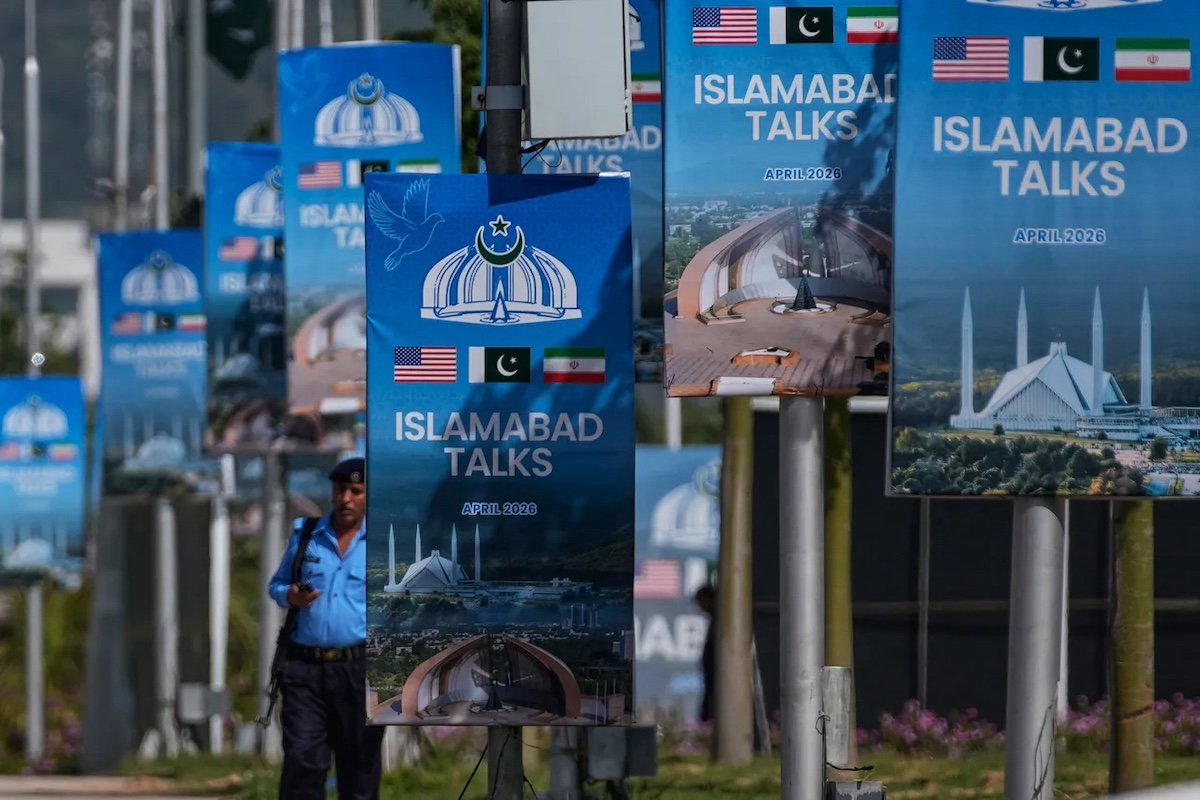
With negotiations in Islamabad stalling on April 11, the war’s outcome remains uncertain. Financial markets have not panicked, betting on a short conflict. But beneath the surface, five structural shifts are emerging that will shape the region for years.
1. Nuclear Proliferation Pressures
North Korean leader Kim Jong Un has openly boasted that his nuclear arsenal made his country immune to the kind of attack Iran suffered. In Tehran, many regime figures now regret not racing faster to a bomb. The Iran war may paradoxically both discourage and encourage proliferation: it shows the risks of going nuclear, but also the costs of not having done so.
In the Indo-Pacific, India and Pakistan are already nuclear states. More worrying is the open discussion in Japanese official circles about abandoning the nuclear taboo. Tokyo’s concerns are twofold: that South Korea might soon develop its own weapons, and that the US “extended deterrence” guarantee may no longer be reliable. Iran Conflict Prompts Indo-Pacific Nations to Reassess Nuclear Energy and Security Postures.
2. US Deterrence Credibility
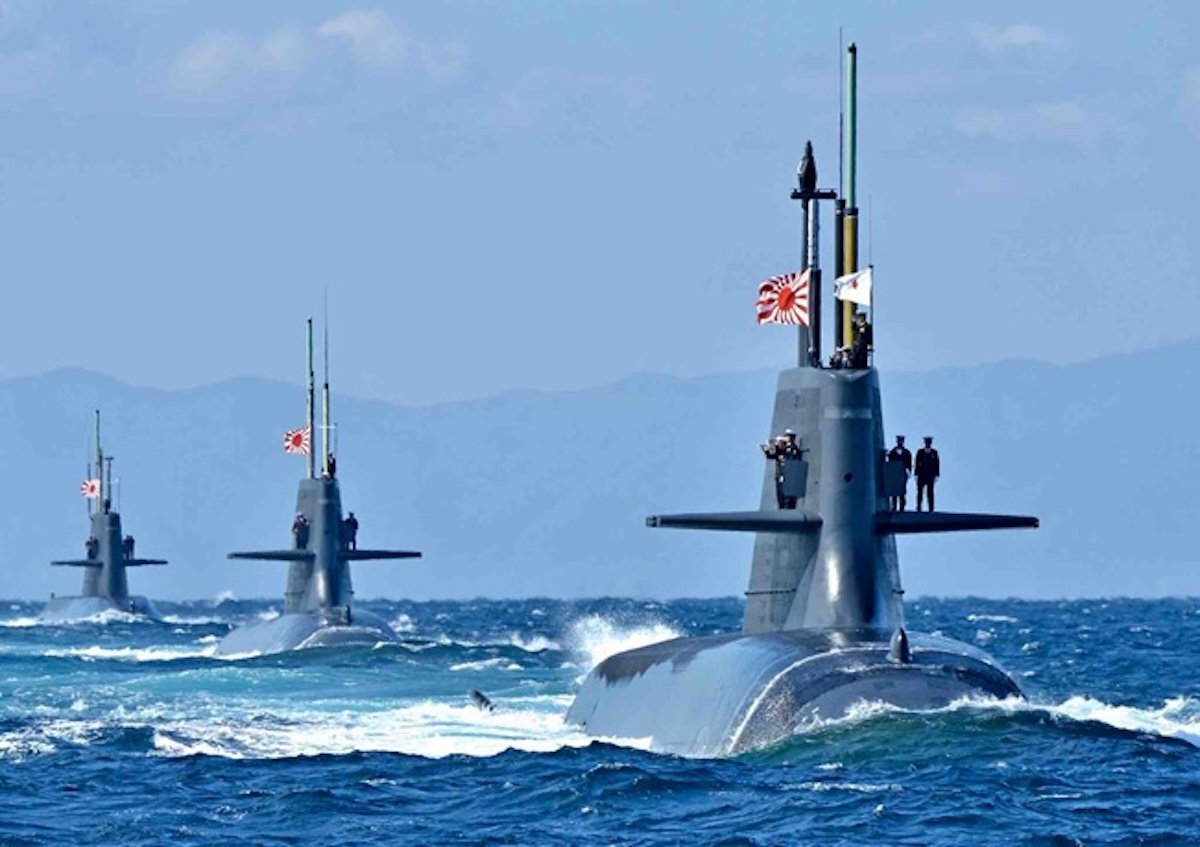
America’s military power is on full display in Iran, but the war has also exposed limits. Against a weakened adversary, the US rapidly depleted its best weapons and missile-defense stockpiles. If this happens after weeks against Iran, how would the Pentagon fare against China? The transfer of ships, Marine regiments, and missile-defense systems from the Indo-Pacific to the Middle East has left gaps. No strategist can ignore the possibility that Beijing or Pyongyang might exploit a moment of American overstretch.
The deeper concern is that despite a nearly $1 trillion defense budget, the US military appears overstretched after a short war. This suggests too much spending on fixed overhead—global bases—and too little on nimble assets and stockpiles. Trump Administration Seeks 43% Defense Budget Increase, Sparking Bipartisan Scrutiny.
3. Missile and Drone Defense Lessons
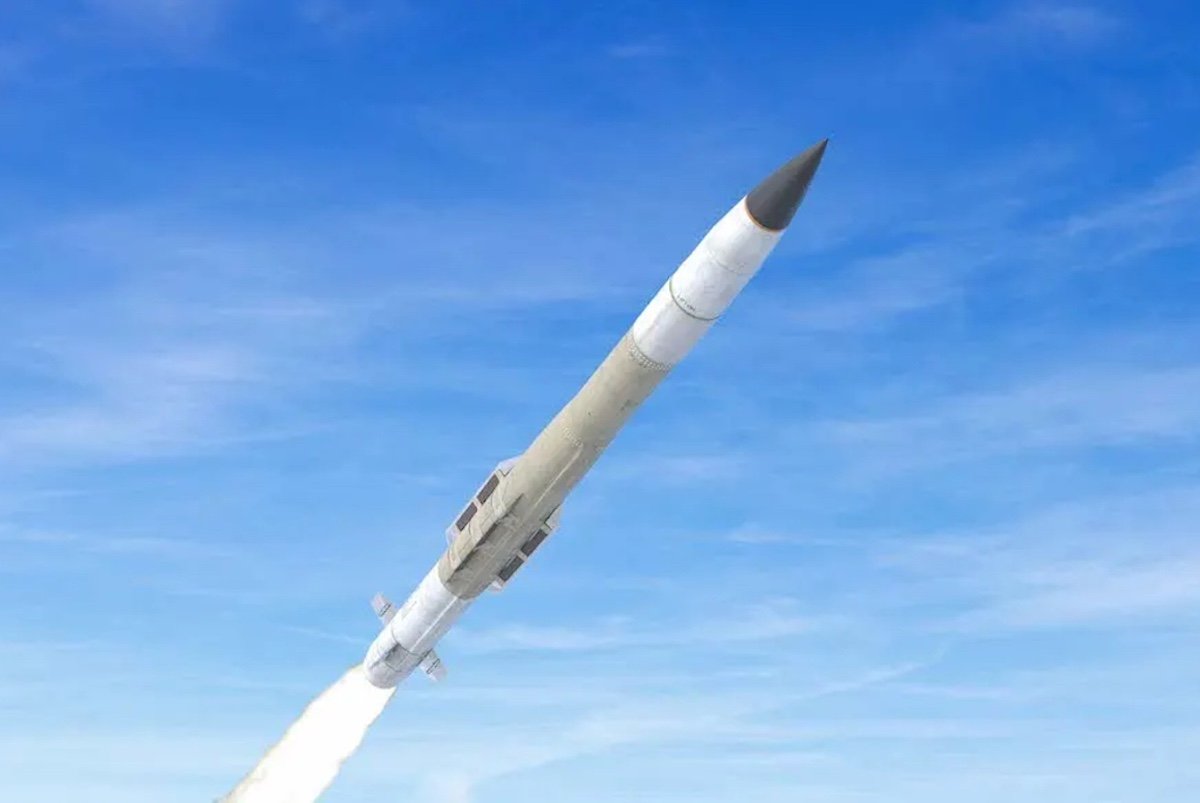
The Gulf states—the UAE, Qatar, Bahrain, Kuwait, and Saudi Arabia—have faced repeated Iranian missile and drone barrages that overwhelmed their US-made Patriot and THAAD systems. The global shortage of interceptors, already evident in Ukraine, is now acute. But the real lesson is about swarms of low-cost drones. Demand for Ukrainian-style anti-drone defenses is about to boom, and not just in the Gulf. Japan, too, must invest heavily in this area.
4. Energy and Critical Mineral Chokepoints
The Strait of Hormuz, through which one-fifth of the world’s oil flows, has been a known chokepoint for decades. Yet the US surprisingly downplayed its vulnerability. Now, with the war ongoing, the world must brace for a game of bluff between Trump and Iran over the strait. For the Indo-Pacific, which relies heavily on Middle Eastern oil, this is a stark reminder to diversify supply chains and build strategic stockpiles. Hormuz Blockade Raises Stakes Ahead of Trump-Xi Summit.
5. Defense Production Capacity
The Iran war has confirmed that US defense production capacity is insufficient for a prolonged conflict. After just weeks of fighting, stockpiles of precision munitions and missile interceptors are running low. This raises questions about the sustainability of American commitments in the Indo-Pacific. Allies from Tokyo to Canberra are watching closely: can the US produce enough weapons to deter China while fighting in the Middle East? The answer, so far, is no.
These five themes are not final conclusions—the war could end tomorrow. But they point to a region that must now plan for a world where American dominance is less absolute, nuclear temptations are stronger, and energy security is more fragile. The Indo-Pacific is not at war, but it is being reshaped by one.