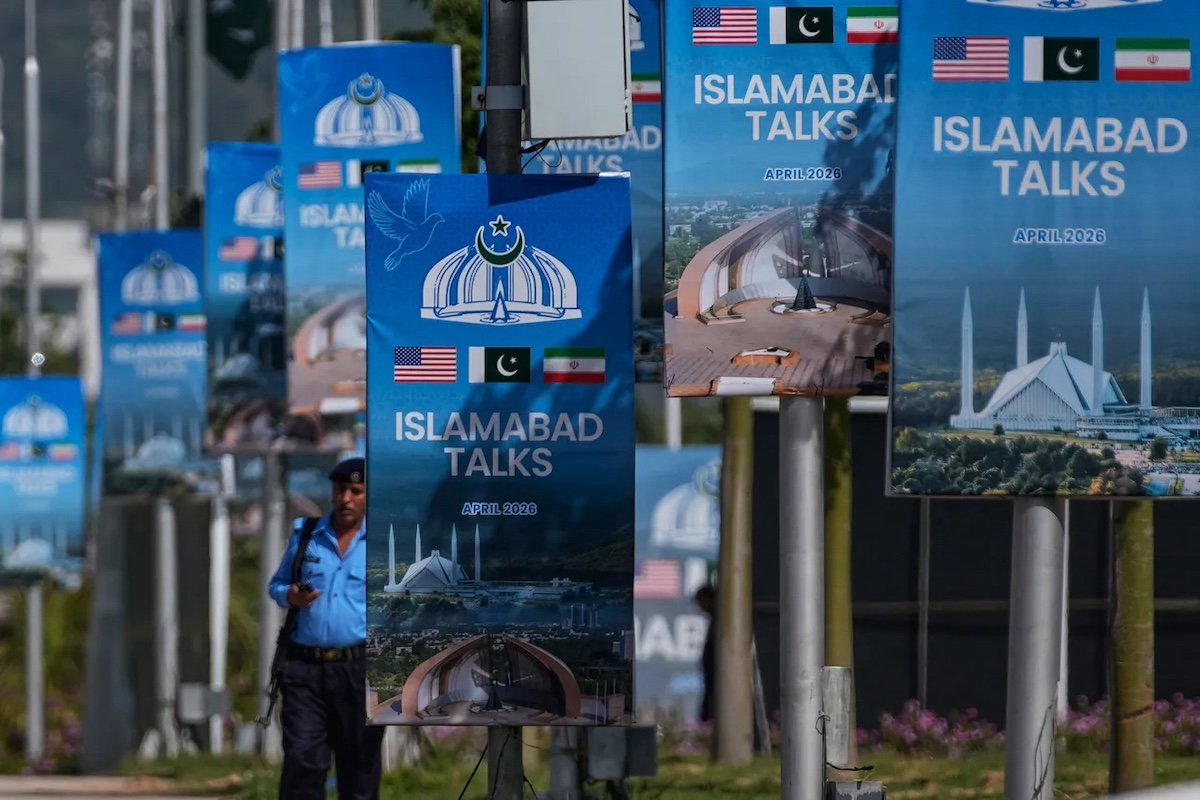
Tehran has pushed back against Washington's dismissal of its latest nuclear proposal, with a senior Iranian official describing the offer as a 'reasonable and generous' path toward ending the standoff. The exchange underscores the widening gap between the two sides as diplomatic channels remain open but strained.
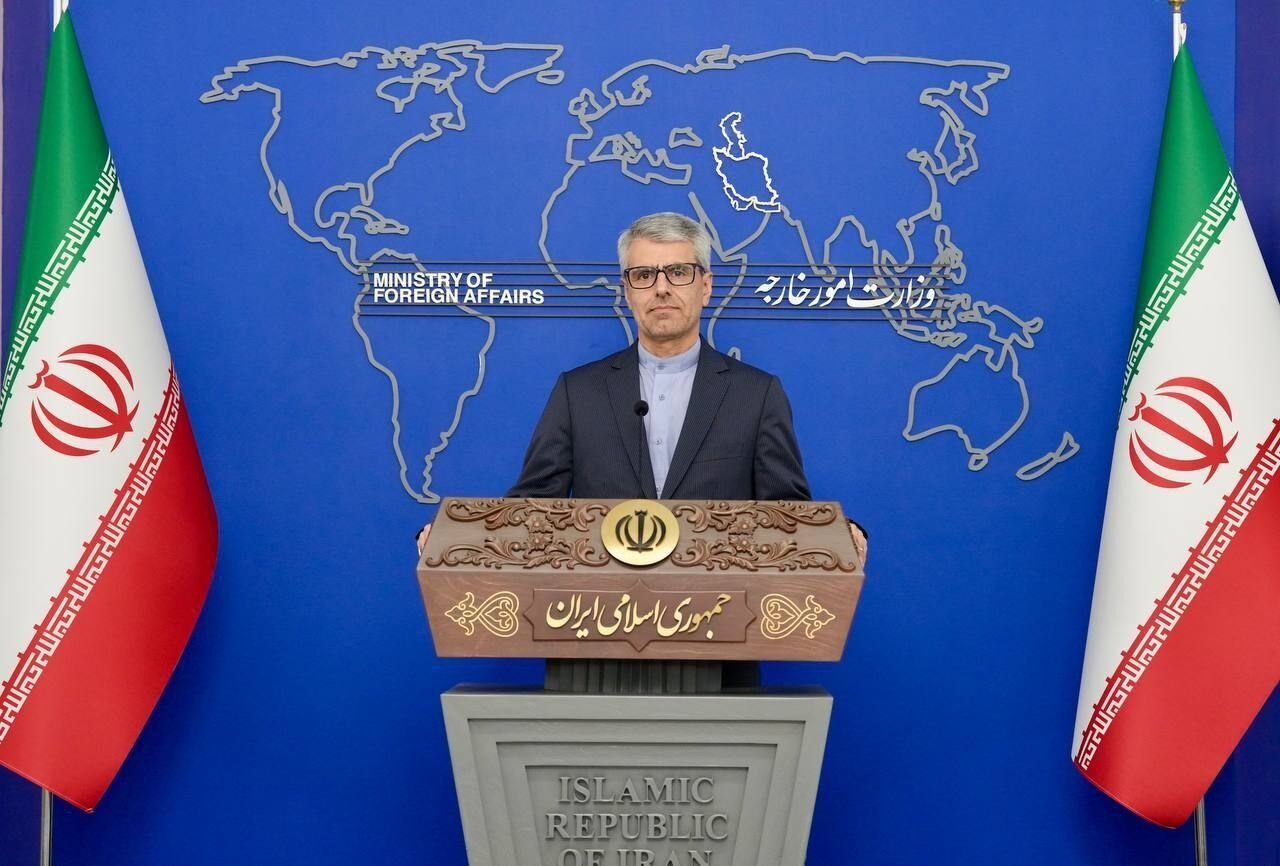
Esmail Baghaei, spokesperson for Iran's Foreign Ministry, told reporters on Monday that 'the only thing we have demanded is Iran's legitimate rights,' accusing the United States of insisting on 'unreasonable demands.' His remarks came after President Donald Trump took to social media to reject the Iranian counteroffer as 'totally unacceptable,' without specifying his objections. The president's blunt response sent oil prices climbing.
Details of the Counteroffer
While the full texts of both the US offer and Iran's counter have not been made public, analysts have pieced together key elements. Trita Parsi, executive vice president of the Quincy Institute for Responsible Statecraft, wrote late Sunday that Iran appears to have made significant concessions on two critical issues: its enriched uranium stockpile and future enrichment capacity.
'The US demands that the entire Iranian stockpile be shipped out of the country. In the past, Tehran rejected shipping any of it out; it only agreed to downblending it. In its latest proposal, however, it offers to have some of it diluted and the rest shipped to a third country,' Parsi wrote. 'As I understand it … Iran is also offering to accept an arrangement in which it will not need to enrich uranium at all for 12 years. This is not the 15-20 years Trump originally wanted, but longer than the 3-5 years Tehran originally offered.'
Parsi added that 'Iran is willing to pause enrichment at all is a significant concession that I am not sure is fully appreciated by the American side.' He questioned why the stockpile issue had become so central, noting that Trump's earlier red line was simply 'no nuclear weapons.' The analyst suggested that 'the insistence on shipping the entire stockpile out appears to be another example of Trump allowing America's red lines to be replaced by Israel's.'
Trump, who has repeatedly issued dire threats against Iran and called its leaders 'lunatics,' told Axios that he spoke with Israeli Prime Minister Benjamin Netanyahu about Iran's response. 'It was a very nice call,' Trump said. 'We have a good relationship.'
Iranian Justifications and Broader Demands
Baghaei rejected the notion that Iran is the party behaving irrationally. 'It is enough to look at Iran's record,' he said. 'Were we the ones who deployed troops? Are we the ones bullying countries in the Western Hemisphere? Were we the ones who committed assassinations twice during negotiations?' He also questioned the reasonableness of Iran's proposal for safe passage through the Strait of Hormuz and establishing regional peace and security.
Citing an 'informed source,' Iran's semi-official Tasnim News Agency reported Monday that Tehran's text 'emphasizes the necessity of an immediate end to the war and guarantees against renewed aggression toward Iran, along with several other issues within the framework of a political understanding.' The report added that Iran's demands include the lifting of US sanctions, an end to the war on all fronts, Iranian management of the Strait of Hormuz subject to certain US commitments, and the immediate end of the naval blockade against Iran after an initial understanding is signed.
The Strait of Hormuz remains a flashpoint, with previous analyses noting the challenges of enforcing a blockade there. The region's energy security is closely watched by Asian economies, particularly China, India, Japan, and South Korea, which rely heavily on Gulf oil shipments.
The standoff also has implications for broader US-China dynamics. As upcoming summits between Trump and Chinese President Xi Jinping are expected to address Iran oil, Taiwan, and trade tensions, Beijing's stance on the nuclear talks could influence the outcome. Meanwhile, a massive $920 million oil short bet has raised insider trading questions ahead of the Iran peace report, adding a layer of financial intrigue to the diplomatic maneuvering.
As the two sides remain at odds, the question of whether a deal can be salvaged hinges on whether Washington can accept a compromise that falls short of its maximalist demands. For now, Trump's rejection has left the door ajar but the path unclear.