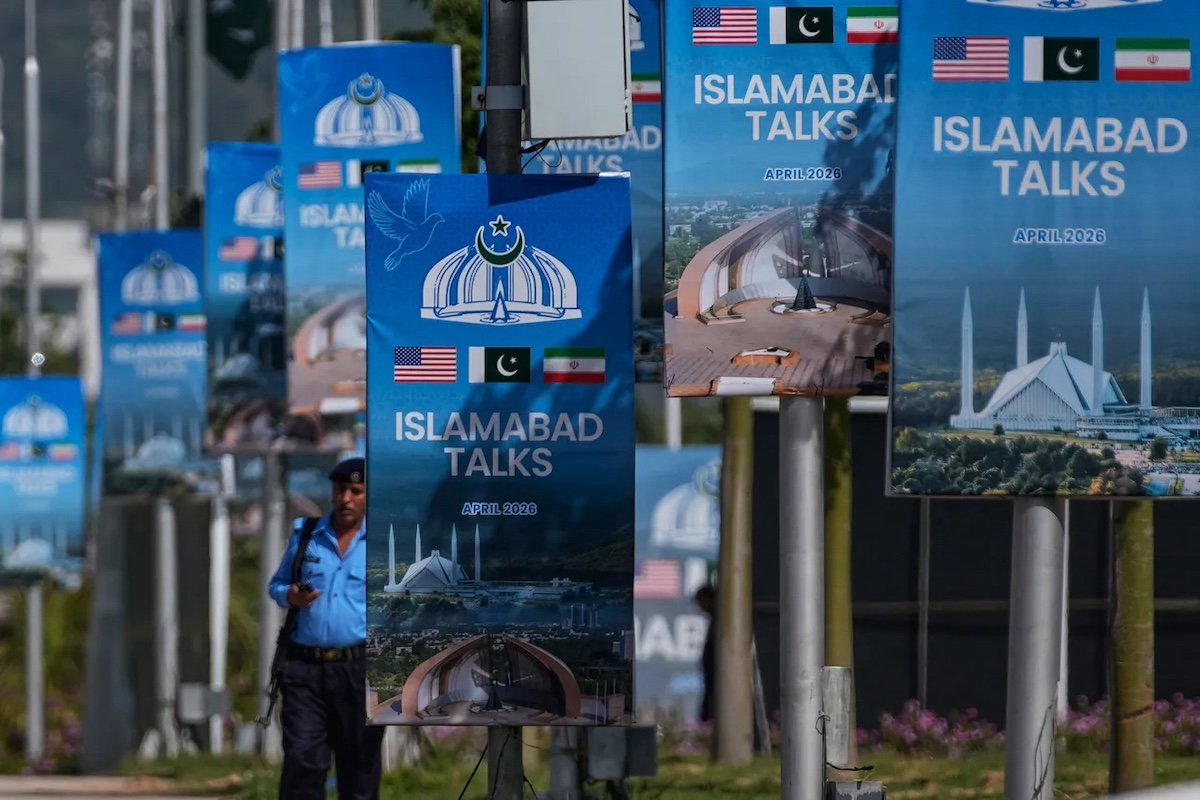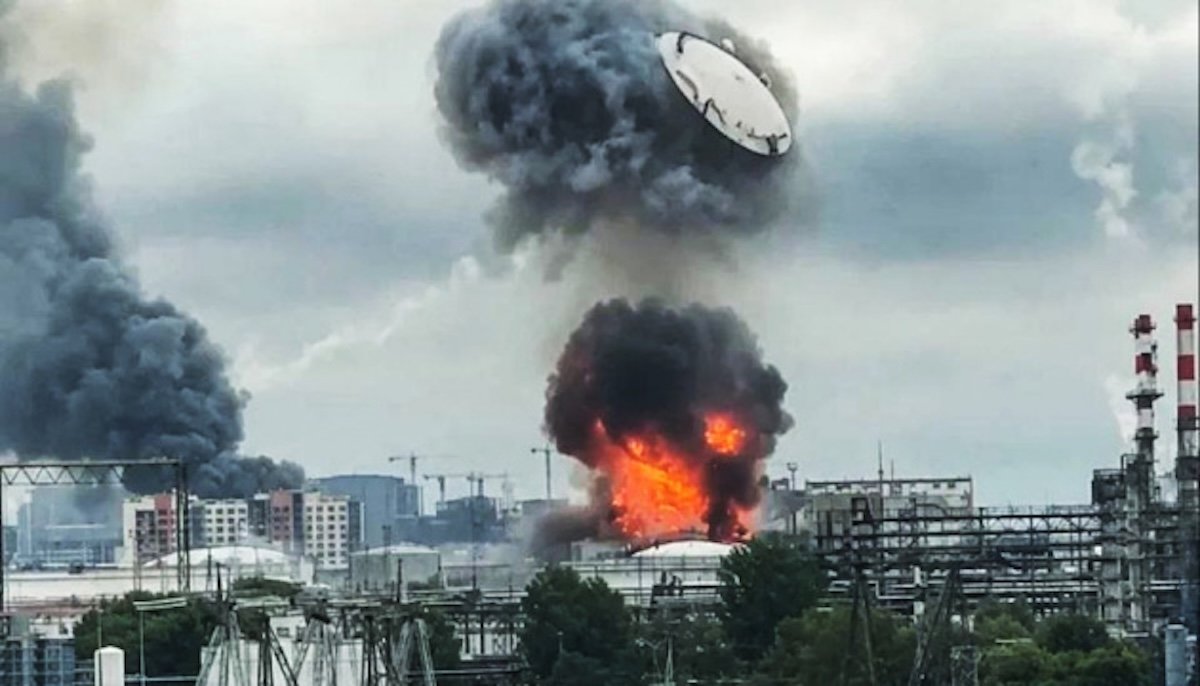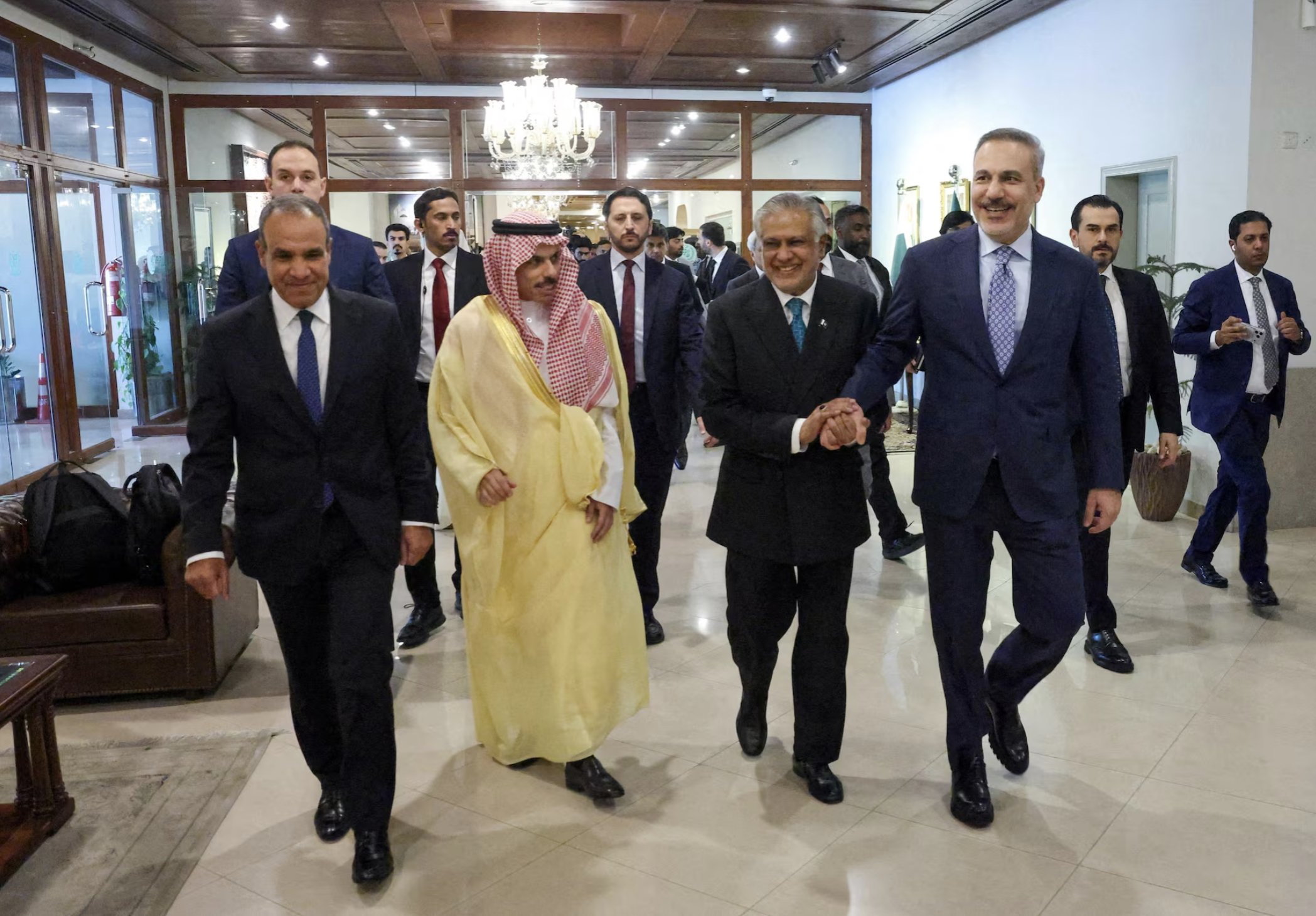
The recent, short-lived ceasefire between the United States, Israel, and Iran, announced on April 7, serves as a stark case study in the evolving—and often ineffective—nature of international mediation. Pakistan, operating with support from China, stepped forward as the lead broker, synthesizing proposals shuttled by Turkey and Egypt and weeks of groundwork by Qatar. Yet, within hours, attacks resumed, each side declared victory, and Israel's campaign against Hezbollah continued unabated. The deal, for that front, simply did not exist.
The Rise of the Permanent Facilitation Industry
This outcome illustrates a broader diplomatic reality: the spotlight often finds a single broker, but accountability for the final outcome is diffuse. The machinery of diplomacy—summits, communiqués, paper trails—persists, but its function has changed. The post-Cold War era saw occasional, if imperfect, bursts of decisive great-power brokerage. Today, a permanent, fragmented facilitation industry has emerged, keeping itself busy but rarely finishing anything.
Recent conflicts in Sudan, Gaza, and Ukraine follow this script. In Sudan, warring factions expertly 'forum shop,' using Jeddah, Cairo, the African Union, and the Intergovernmental Authority on Development (IGAD) as rival tracks to gain leverage. The cycle in Gaza is numbingly familiar: Qatar secures a humanitarian pause, Egypt works to extend it, Turkey claims credit for mediation, and then the fighting resumes. By mid-2024, Qatar's own minister of state acknowledged that more diplomatic effort does not necessarily bring parties closer, especially when talks serve "narrow political interests."
Ukraine's path saw years of initiatives by Turkey, the African Union, and Swiss-hosted summits eventually consolidate into a Washington-led track. Even that consolidation, however, failed to break the underlying impasse, one that predated and outlasted the Iran conflict interruption.
Access Without Leverage
The Iran ceasefire makes the point with painful clarity. Pakistan became the unified lead broker—precisely what critics of fragmented diplomacy advocate for—and the agreement still shattered. The core reason: Pakistan, like Qatar, Turkey, and others, possessed access but not leverage. These middle powers filled a vacuum created by a relative US withdrawal from certain diplomatic fronts, but they cannot replicate the combination of coercive pressure, security guarantees, and economic incentives historically wielded by a great power.
Facilitation remains a valuable component of foreign policy, building relationships and demonstrating engagement. It can yield tangible, if limited, achievements like prisoner swaps or humanitarian corridors. However, when the system prioritizes these quick wins over the difficult concessions required for durable peace, the result is a diplomatic process that runs parallel to the conflict, neither connected to it nor able to stop it.
Sustainable resolution has always depended on one fundamental condition: at least one party must face credible coercive pressure or conclude that continued conflict is more costly than compromise. No mediation framework, however elegantly designed, can manufacture this calculus. Spoilers understand this dynamic perfectly. When no single actor oversees the process, delay becomes a tactic. They wait, restart hostilities hours after a ceasefire, and observe the disorganized response—exactly what happened this week.
US Senator JD Vance described the Iran truce as "fragile." That was a generous assessment. It was arranged by actors lacking the leverage to enforce it, through a process with no enforcement mechanism and no party willing to bear the full political cost of one.
The Strait of Hormuz barely reopened. Follow-on talks were scheduled for Islamabad. Then, strikes resumed—or proved impossible to stop—and diplomacy retreated into the conditional tense.
The Asian Dimension and the Accountability Gap
The active role of Asian powers like Pakistan, China, and Indonesia in these processes is notable. Their involvement reflects both growing diplomatic ambition and the realities of a multipolar world where the US is more selective in its engagements. For Asian nations, mediation offers a way to project influence, build strategic relationships, and demonstrate global citizenship. China's support for Pakistan's effort is a case in point, aligning with its broader pattern of strategic partnership.
Yet, the recurring lesson from Sudan to Gaza to Iran is that access without accountability leads nowhere. The central problem is no longer the number of mediators. It is that the parties to most contemporary conflicts have not yet reached the point where they are willing to absorb the costs of a real settlement. Until that threshold is crossed, even the most skillful brokerage can produce only a temporary pause.
This does not mean the efforts of middle powers are futile. Their channels are sometimes the only ones open, and the backchannels and humanitarian corridors they provide can prevent worse outcomes. But it does mean that the current model has severe limitations. What is missing is not more forums, but a lead actor capable of unifying efforts and accepting the political consequences of being accountable for results.
The ceasefire over Iran may yet be revived. But its initial collapse confirms an enduring truth beneath all these cases: no diplomatic process, however well-led, can close a gap the parties themselves have not yet chosen to close. For Asian nations stepping into the mediator role, the challenge will be to move beyond facilitation and develop the unique forms of leverage needed to make peace stick in an increasingly fragmented world.