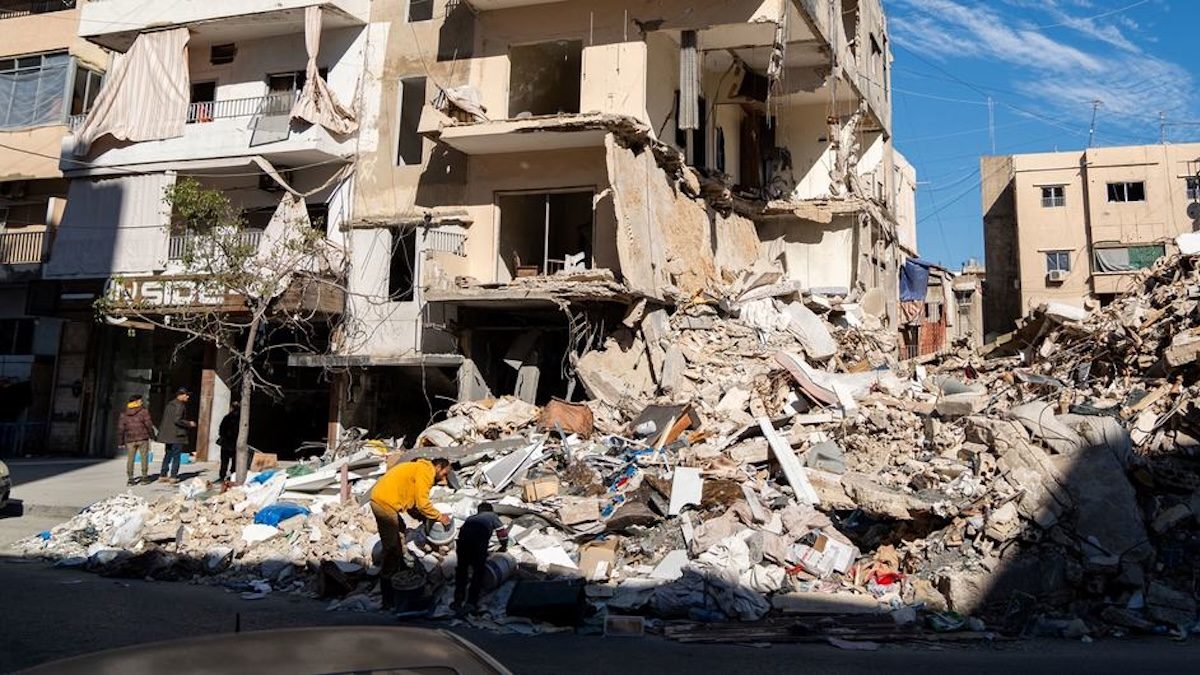
After weeks of intense bombardments in southern Lebanon that have claimed more than 2,000 lives and displaced over one million residents, Israeli Prime Minister Benjamin Netanyahu announced a ten-day ceasefire with Lebanon. The move prompted Iran to declare the Strait of Hormuz “completely open,” though US President Donald Trump countered that the US naval blockade “will remain in full force” until a comprehensive peace deal with Iran is reached.
Netanyahu also vowed to keep Israeli troops stationed in southern Lebanon to establish a ten-kilometer “security zone,” raising immediate doubts about whether the ceasefire will genuinely halt Israeli operations against Hezbollah. A previous ceasefire in late 2024, which ended 13 months of fighting between Israel and Hezbollah, did not prevent Israeli airstrikes and targeted killings of Hezbollah fighters from continuing.
The Paradox of Ceasefires
Wars are often framed with neat start and end dates, but the reality is far messier. Ceasefires and peace agreements may end one phase of conflict, but they frequently usher in new dynamics that perpetuate violence under reduced scrutiny. This paradox is evident in Israel’s war in Gaza, which concluded with the Gaza Peace Plan in October 2025—a 20-point deal brokered by the Trump administration. While the agreement reduced bombardments and facilitated hostage-prisoner swaps, it also shifted public and media attention away from ongoing Israeli attacks in Gaza and the West Bank, which have continued with less oversight.
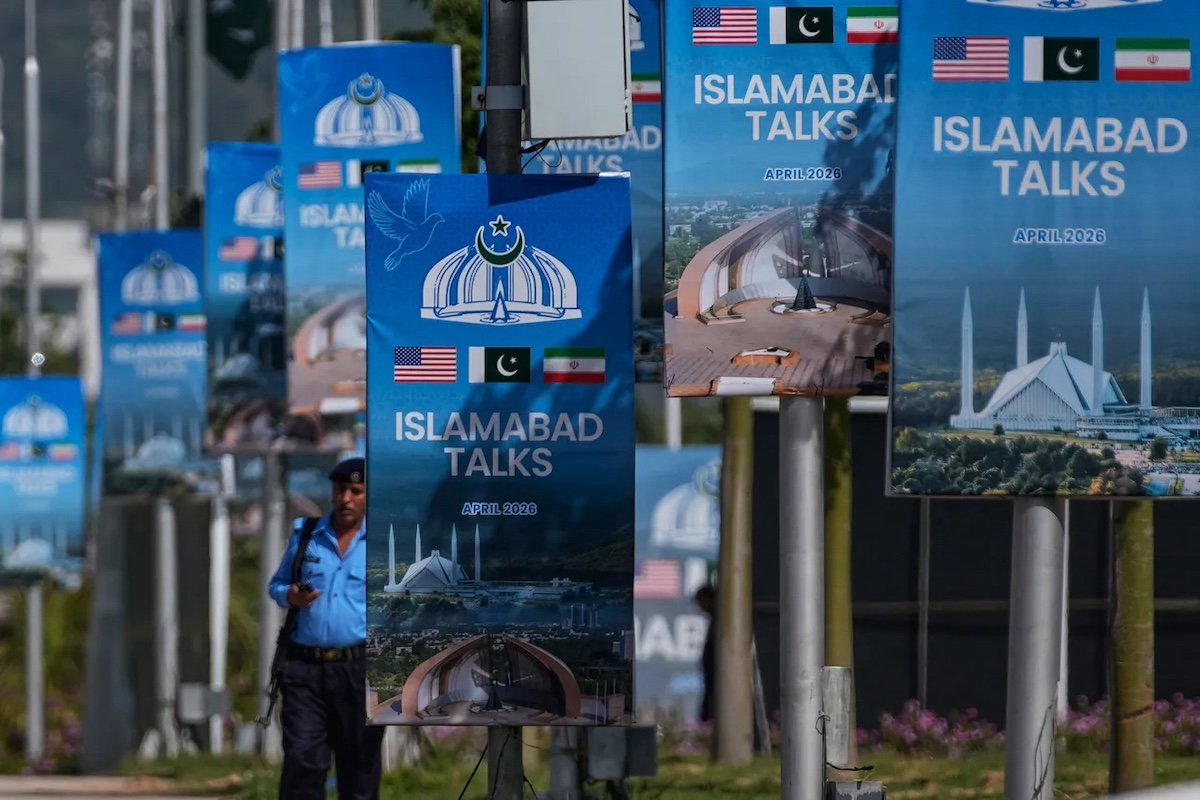
Humanitarian aid to Gaza remains far below the levels stipulated by the peace plan, and discussions about future governance have stalled amid other global crises. Similarly, a recent US-Iran ceasefire has allowed the Iranian regime to crack down on internal dissent, while the Trump administration has tightened its naval blockade of Iranian ports, ostensibly to strengthen its negotiating position.
Implications for the Strait of Hormuz
The Strait of Hormuz, a critical chokepoint for global energy supplies, remains a flashpoint. Iran’s declaration that the strait is open contrasts sharply with the US blockade, which has already disrupted shipping and raised concerns about energy security across Asia. For countries like Japan, South Korea, and India, which rely heavily on oil and liquefied natural gas transiting the strait, the standoff threatens to drive up energy costs and strain supply chains. As we have previously reported, Strait of Hormuz disruptions threaten Asia's fertilizer supply and food prices, compounding the economic fallout.
The US-Iran stalemate also reshapes alliances in the region. US-Iran stalemate in Hormuz strains alliances, reshapes Asian energy security, as nations seek alternative routes and suppliers. The broader geopolitical implications are explored in Geographic leverage: how the Strait of Hormuz reshapes global power dynamics.
Lebanon's Precarious Reprieve
For Lebanese civilians, the short-term truce may offer a temporary reprieve from the relentless bombing. However, Israeli Defense Minister Israel Katz has stated that the military will demolish buildings in Lebanese towns near the border and prevent displaced residents from returning home to create the security zone. Netanyahu made clear that Israeli troops will remain, actions that are easier to execute under the cover of a ceasefire agreement.
This pattern reflects a broader trend: parties to conflicts increasingly exploit the “peace agreement paradox,” using ceasefires to consolidate gains or crack down on opponents while global attention wanes. In a world where dozens of armed conflicts rage simultaneously, media and public focus often shifts to the next crisis, leaving post-agreement violence underreported.
If we are to truly understand the impact of war and peace on millions of people, we must broaden our definition of ceasefires and maintain scrutiny long after the deals are signed. The Israel-Lebanon ceasefire, like many before it, is not a tidy end but a new chapter in a complex and ongoing story.