When President George H.W. Bush announced sweeping unilateral cuts to US tactical nuclear forces in 1991, the world seemed to be stepping back from the abyss. Soviet leader Mikhail Gorbachev was expected to reciprocate, but the Soviet Union's collapse upended those plans. Thirty-five years later, the Pentagon is again wrestling with the unthinkable: the possibility that nuclear weapons could be used on a European battlefield—and what that means for global stability.
A renewed nuclear shadow over Europe
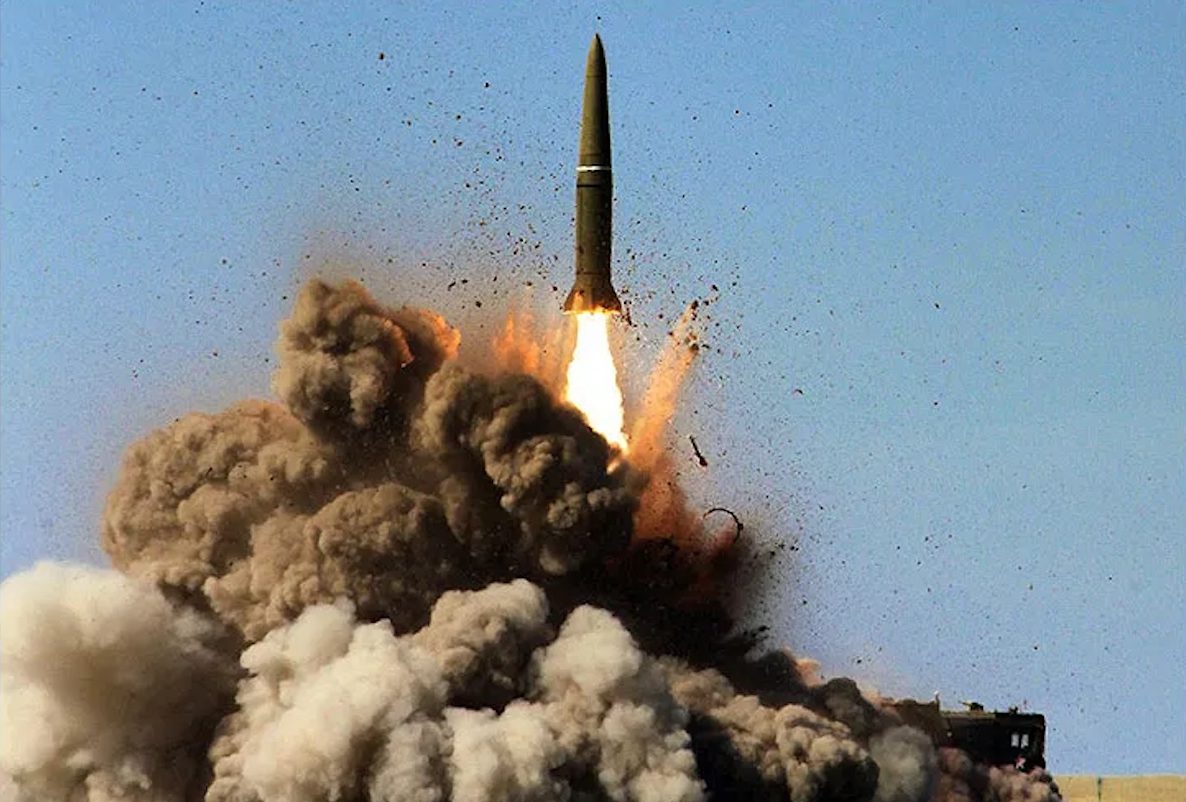
In June 2023, Russia deployed Iskander-M missiles with nuclear warheads to Belarus, a move widely read as a warning to Poland and NATO rather than a tactical necessity for the war in Ukraine. Reports also indicate that Moscow has modified Belarusian Su-25 aircraft to carry nuclear gravity bombs. Meanwhile, Poland and Lithuania have threatened to restrict Russian access to Kaliningrad, the Baltic enclave that Moscow says hosts between 50 and 100 nuclear warheads.
Kaliningrad—once Königsberg, the military heart of Prussia—was annexed by the Soviet Union under the 1945 Potsdam Agreement, its German population expelled and the city renamed. Today it is connected to Belarus by the Suwalki gap, a narrow strip of land along the Polish-Lithuanian border. That corridor is one of the most strategically sensitive points in Europe, a potential flashpoint where NATO and Russian forces could collide.
The United States maintains a relatively small arsenal of tactical nuclear weapons, primarily the B-61 gravity bomb, which can be adjusted to yield from fractions of a kiloton to tens of kilotons. Undersecretary of Defense for Policy Elbridge Colby is leading a review of US nuclear policy, with an emphasis on refining "flexible options" for the president at the regional level. But the menu is limited.
Aside from the B-61 and a few Navy systems—including Trident submarine-launched ballistic missiles that can carry a 5.7-kiloton warhead—most US tactical weapons have been retired and their warheads dismantled. The one possible exception, according to Russian assessments, is the dual-purpose Mk-41 launcher deployed in Europe, which can fire either SM-3 interceptors or Tomahawk cruise missiles. The US operates Aegis Ashore sites in Deveselu, Romania, and Redzikowo, Poland, each with 24 Mk-41 vertical launch cells. A mobile, trailer-mounted version called Typhon, based in Germany, is being introduced for deep strikes.
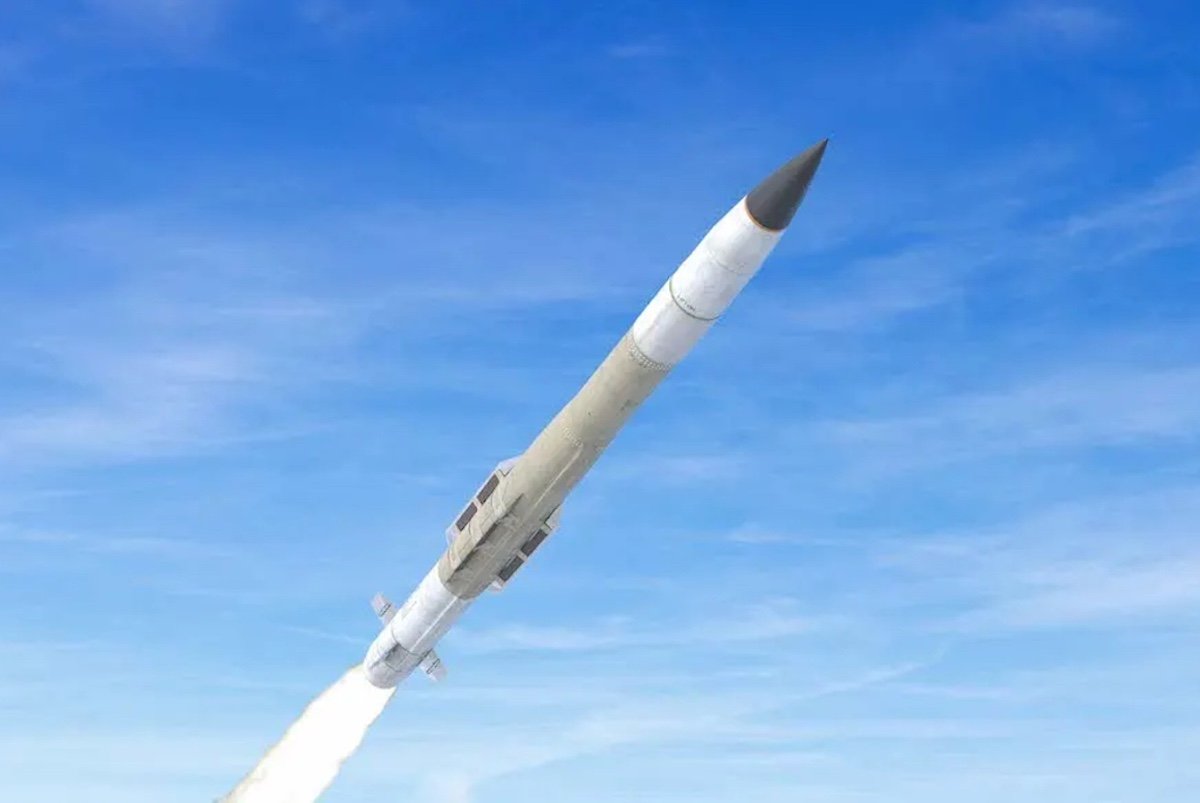
The US insists the Tomahawks are conventionally armed. The ground-launched nuclear variant, the BGM-109G Gryphon, was retired and destroyed under the Intermediate-Range Nuclear Forces (INF) Treaty, from which Washington withdrew in 2019. The naval TLAM-N warheads were dismantled between 2010 and 2013. However, an updated W-80 warhead is planned for the Air Force's AGM-181 Long-Range Standoff (LRSO) cruise missile, with a yield range of 5 to 150 kilotons. Russian intelligence likely views these developments with suspicion, believing the US is quietly expanding its tactical nuclear posture in Europe.
Strategic vs. tactical: a blurring line
The Pentagon divides its nuclear forces into strategic and tactical categories. Strategic weapons—land-based ICBMs and submarine-launched ballistic missiles—are designed to destroy an adversary's nuclear forces and command centers, including cities like Moscow or Beijing. The Minuteman III, for instance, carries warheads with yields between 335 and 350 kilotons, far exceeding the 13-21 kilotons of the Hiroshima and Nagasaki bombs. The strategic competition between the US and the Soviet Union was fundamentally about whether either side could achieve a first-strike capability—the ability to neutralize the other's arsenal in one blow. Washington has long denied seeking such a capability, while accusing Moscow of trying to do so.
Tactical nuclear weapons were originally conceived as a way for outnumbered NATO forces to stop a Soviet armored thrust through the Fulda Gap in Germany. Systems like the Honest John and Lance missiles, along with nuclear gravity bombs, were meant to blunt a Warsaw Pact invasion. But the value of these weapons diminished as the Soviet Union built up its own short- and intermediate-range forces, and as arms control agreements limited their deployment.
The current review, led by Colby, aims to restore flexibility at the regional level. Yet the options are constrained by decades of arms control and unilateral reductions. The US has few tactical systems left, and the ones that remain are either aging or tied to delivery platforms that are themselves controversial.
The implications extend far beyond Europe. As hypersonic missile programs in Asia blur the line between conventional and nuclear, the credibility of US extended deterrence in the Indo-Pacific is at stake. Allies like Japan and South Korea watch closely: if Washington cannot reassure NATO against Russian tactical nuclear use, how credible is its commitment to defend Seoul or Tokyo? Some analysts argue that Seoul should have a seat at the table on tactical nuclear options, given the North Korean threat. Others warn that nuclear deterrence is a false promise in a world of proliferating actors and emerging technologies.
The nuclear age began with lies 81 years ago, and it may end the same way. As the US reviews its options, the choices made in Washington will resonate from the Suwalki gap to the Sea of Japan. The question is whether the world can step back from the brink again—or whether the lessons of 1991 have been forgotten.