The immediate threat of renewed military action in the Strait of Hormuz has receded, but the underlying crisis remains unresolved. A US deadline demanding Iran reopen the vital waterway was extended without a new expiration date, leaving a tense stalemate. Both nations continue to impede maritime traffic through the chokepoint, which carries roughly one-fifth of the world's seaborne oil.
Despite the hardline posturing from Washington and Tehran, diplomatic channels have not been severed. Several feasible options exist that could allow both governments to reduce tensions without a public loss of face. Conflict resolution research indicates agreements are more likely when each side can claim a measure of success, often through negotiated trade-offs.
A Nuclear Off-Ramp: Reviving the JCPOA Framework
The most substantive path forward involves resetting negotiations on Iran's nuclear program, broadly following the structure of the 2015 Joint Comprehensive Plan of Action (JCPOA). Iranian officials have signaled openness to a staged arrangement that would cap uranium enrichment at 3.67%—far below weapons-grade levels—and restore intrusive International Atomic Energy Agency inspections. In return, Iran would seek phased relief from international sanctions.
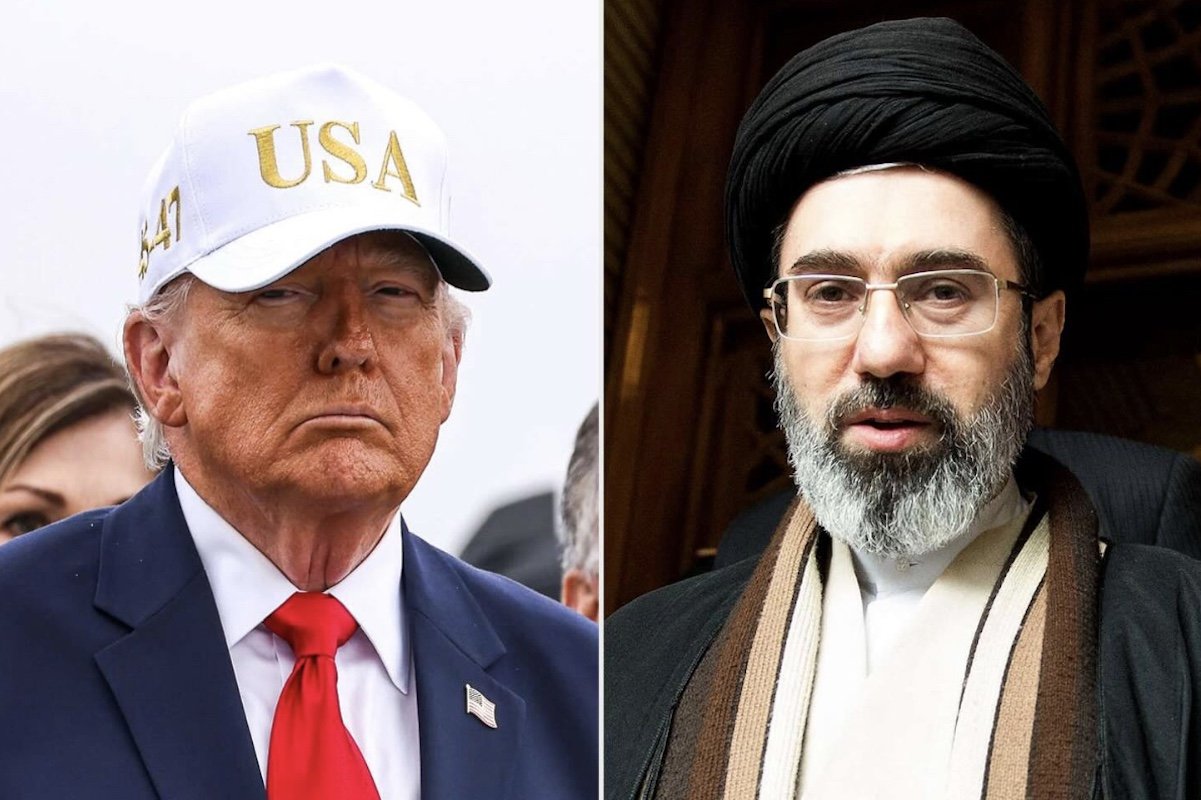
Such a deal would not be a new concession from Tehran; these were the core parameters it accepted over a decade ago. However, it would significantly lengthen Iran's potential "breakout" timeline to develop a nuclear weapon and restore crucial transparency lost after the US unilaterally withdrew from the pact in 2018. For Washington, it would mean abandoning the unattainable goal of "zero enrichment" in favor of verifiable constraints, a shift some officials now acknowledge as pragmatic. The political irony is stark: it would largely return Iran to the agreement from which former President Donald Trump withdrew.
A second, related compromise concerns the duration of enrichment limits. Talks have foundered on US demands for a 20-year moratorium versus Iranian proposals for roughly five years. A middle ground, such as a seven to ten-year limit with built-in review mechanisms, could offer both sides a domestic victory. For the US, it represents long-term risk reduction; for Iran, it reaffirms its sovereign right to a civilian nuclear future. Such time-limited confidence-building measures have precedent in arms control and can be more politically durable than maximalist demands.
The Strait of Hormuz as Strategic Leverage
Beyond the nuclear file, control of the Strait of Hormuz has become Iran's most potent strategic card. The ability to disrupt global energy supplies grants Tehran significant leverage, a point underscored when former Russian President Dmitry Medvedev called the strait Iran's "real nuclear weapon." An agreement guaranteeing the waterway's unconditional reopening would provide immediate global economic relief and hand Washington a visible diplomatic win.
However, Gulf Arab states and other Asian energy importers fear a narrow deal might merely manage, rather than dismantle, this leverage. It could normalize Iran's capacity to threaten shipping during future crises. Therefore, any agreement focused on the strait must be tied to wider commitments on regional restraint and established confidence-building measures to prevent setting a dangerous precedent. The ongoing stalemate is already straining alliances and reshaping energy security calculations across Asia, from Japan and South Korea to India and China.
The Process of Sequenced De-escalation
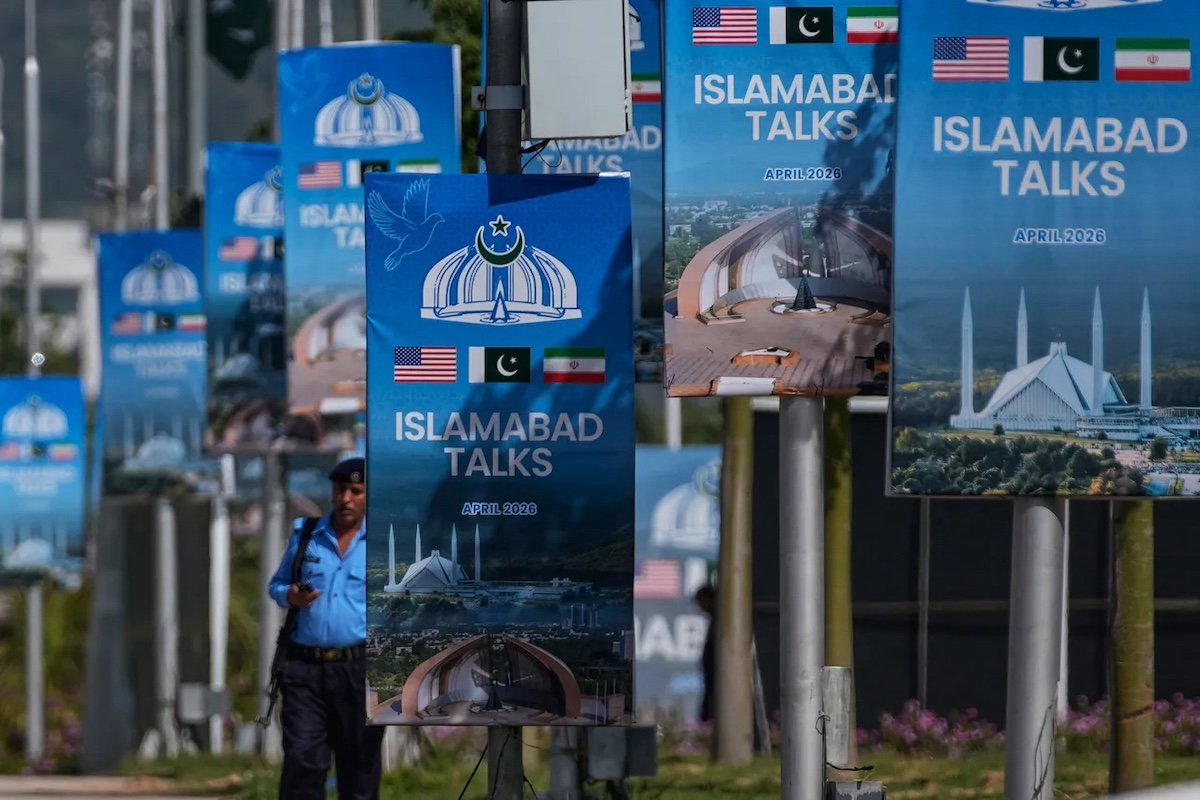
The method of negotiation may be as important as the substance. Mediating nations, including Oman, Pakistan, and China, are reportedly advocating for "sequenced de-escalation." This approach would begin with limited, reciprocal steps—such as mutual adherence to ceasefire lines, shipping guarantees, and relaxing maritime blockades—before expanding talks to encompass sanctions relief and broader regional security issues.
This step-by-step process lowers the political cost of any single concession and reduces the risk that negotiations collapse under the weight of too many unresolved disputes. However, it could make it harder for a US administration to package the final outcome as a definitive victory. The political narrative remains fluid, with Washington oscillating between threats of force and signals of conflict fatigue. Recent reporting suggests Iran has rejected new talks, citing "erratic" threats from the US, underscoring the diplomatic challenges.
The path away from the brink is narrow but navigable. It requires both Washington and Tehran to prioritize verifiable security gains over political symbolism. For Asian nations dependent on stable energy flows through the Persian Gulf, a diplomatic resolution is not merely a distant geopolitical concern but an urgent economic imperative. The coming weeks will test whether both capitals can seize an off-ramp before the cycle of escalation becomes irreversible.