Diplomatic Channels Frozen After Threats and Gulf Clash
Iran has formally rejected plans for further negotiations with the United States, directly citing what it calls the "erratic" behavior and public threats of President Donald Trump. The decision follows a volatile weekend marked by a new military confrontation in the Gulf of Oman and a stark warning from Trump that "the whole country is going to get blown up" if Iran refuses a deal.
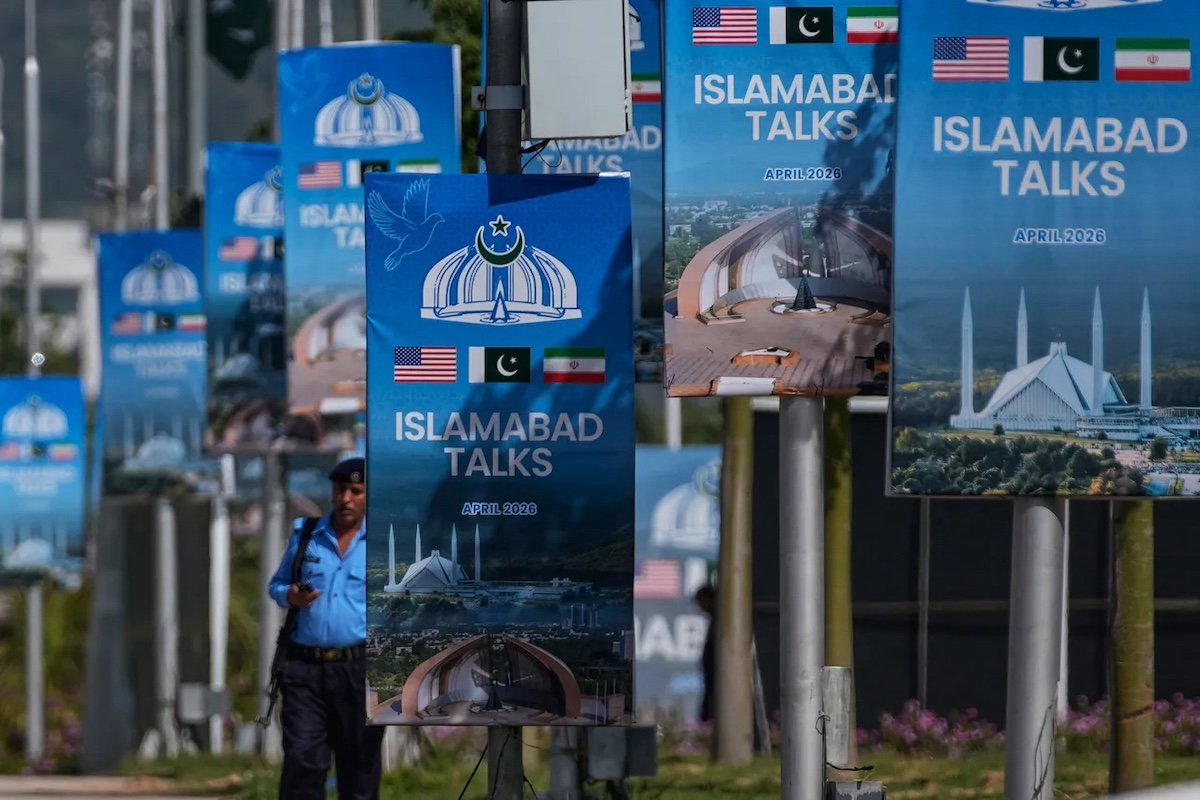
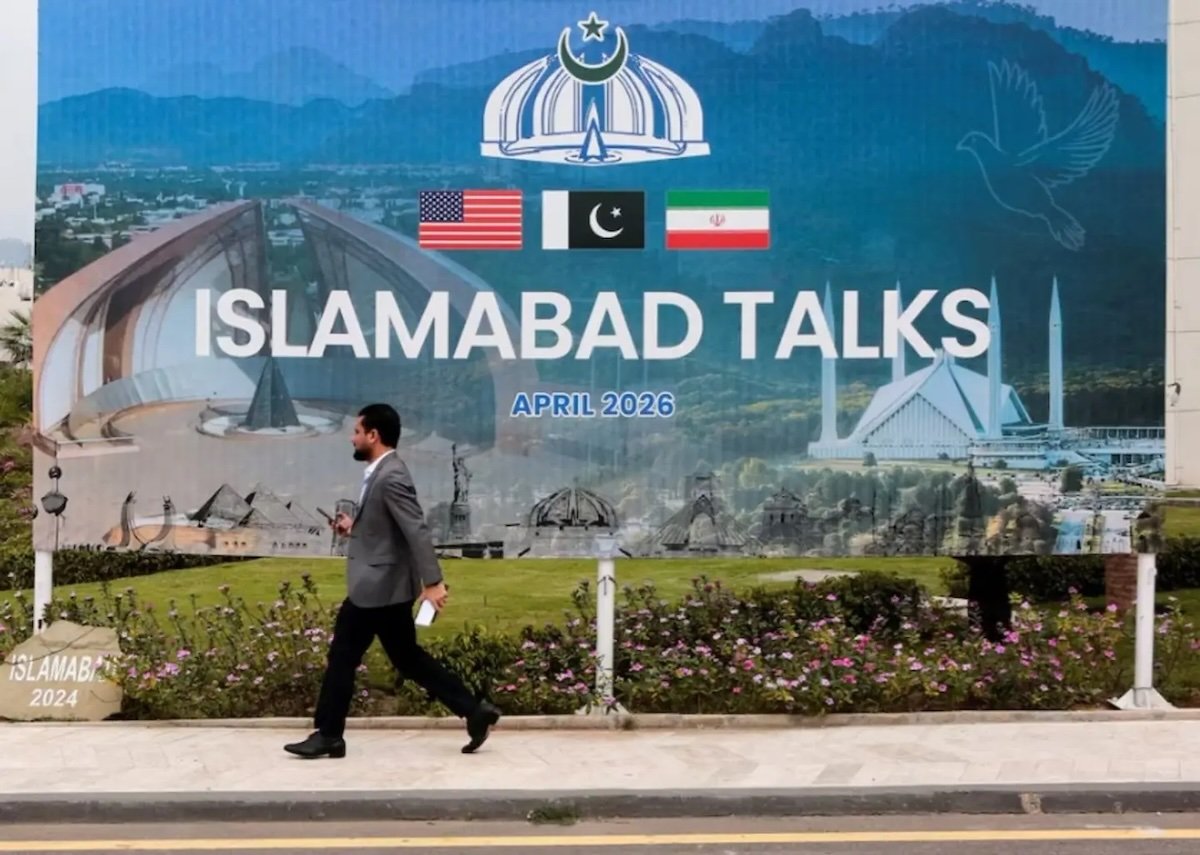
The diplomatic freeze was announced by Iran's official IRNA news agency, which dismissed earlier claims from Washington that Iranian officials were en route to Islamabad for talks with Vice President JD Vance and other US envoys. IRNA described the US announcement as "a media game and part of the blame game to pressure Iran."
Naval Incident Escalates Tensions in Critical Waterway
The rejection comes against the backdrop of a significant escalation at sea. US forces opened fire on and disabled an Iranian-flagged vessel in the Gulf of Oman, with President Trump claiming the ship was seized after ignoring warnings. Iranian media, however, reports that the Islamic Revolutionary Guard Corps (IRGC) forced the US troops to withdraw from the Strait of Hormuz following the attack.
This incident marks a dangerous spike in tensions, raising immediate fears of a wider military confrontation. The Strait of Hormuz is a critical global chokepoint for oil shipments, and any sustained disruption directly threatens the energy security of major Asian economies like China, India, Japan, and South Korea. The broader regional instability, as seen in the likely protracted US-Iran-Israel stalemate, compounds these risks.
In response to the ongoing US naval blockade, which Tehran considers a ceasefire violation, Iran again shut down travel through the Strait of Hormuz on Saturday. This followed a brief reopening after a ceasefire between Lebanon and Israel was announced.
Iran's Preconditions and Assessment of US Leadership
An unnamed Iranian official, familiar with internal deliberations, outlined Tehran's hardened position to Drop Site News. The official stated that negotiators would, in principle, prefer a deal granting Iran the right to enrich uranium, providing sanctions relief, and establishing a long-term non-aggression framework.
"Our assessment is that Trump effectively lacks both a coherent plan and the capacity to secure even a temporary agreement," the official said. "His decision-making appears to be grounded in Israeli political and security assessments, conveyed to him on a daily basis."
However, the official argued that Trump's "maximalist demands"—including the surrender of all Iran's enriched uranium—and his unpredictable threats have destroyed trust. IRNA added that negotiators decided against returning to talks due to "Washington's excessive demands, unrealistic expectations, constant shifts in stance, repeated contradictions, and the ongoing naval blockade."
The Tasnim News Agency, linked to the IRGC, reiterated that Iran will not negotiate unless the US lifts its blockade of Iranian ports. This stance highlights the growing influence of the Revolutionary Guards in directing Iranian policy from behind the scenes.
Prepared for a Long Conflict
The Iranian official warned that Tehran is prepared for a prolonged conflict if diplomacy fails. "Should [Trump] nevertheless choose to continue the conflict, Iran will, for a prolonged period, suspend diplomatic channels and will seek... to impose significantly greater costs on United States interests," the official stated.
Mohammed Sani, a Tehran-based political analyst, echoed this readiness. "Iran is at a high standard of readiness right now," Sani told Drop Site News, noting that Iranian forces have used a recent two-week ceasefire to repair underground missile sites and bring in new air defenses, missiles, and drones. He suggested that after any failed US attacks, "the Iranian conditions for peace will be much tougher."
Broader Implications for Asia and Global Diplomacy
The collapse of talks and rising military tensions carry profound implications for the Indo-Pacific. The blockade of Hormuz raises strategic stakes far beyond the Middle East, directly impacting energy importers across Asia. An extended conflict could trigger the kind of energy shock that traps Asian economies, forcing difficult adjustments and potentially accelerating moves away from dollar-denominated oil trades.
Trita Parsi, executive vice president of the Quincy Institute for Responsible Statecraft, criticized the US approach. "Due to poor discipline, Trump ends up prioritizing the optics of victory over actually getting a deal," Parsi said Sunday. "Instead of using deescalatory signals from Iran to get closer to a deal, he declares victory and seeks Iran's humiliation, and by that, he undermines his own diplomacy."
For now, the path to diplomacy appears closed. Iranian officials say they remain open to "meaningful" discussions, but only with a pre-defined framework and an end to public threats. With Trump standing by Israel's continued attacks in Lebanon—which Iran sees as key to a durable ceasefire—and the new naval clash, the prospects for a near-term off-ramp seem increasingly dim.