As Russia prepares for a potential new phase in its war against Ukraine, a critical front is emerging not on the battlefield but within its own digital borders. The Kremlin faces the complex task of mobilizing a society largely shielded from the war's direct costs, without triggering a political backlash. Its chosen method—a severe tightening of control over the domestic information space, particularly targeting the Telegram messaging app—may, however, ignite the very instability it seeks to prevent.
The Precarious Social Contract
For decades, an informal social contract has underpinned political stability in urban Russia. In exchange for rising living standards fueled by energy revenues and state capitalism, citizens largely accepted political apathy and loyalty to the regime. This balance was severely tested by the 2022 invasion of Ukraine and the subsequent partial mobilization, which prompted mass emigration and protests. The state managed that crisis by targeting marginalized groups for conscription and allowing dissenters to leave, thereby insulating the broader urban population.
This careful insulation allowed support for President Vladimir Putin and the war to remain high, with many Russians favoring escalation over concessions. The Kremlin sustained this consensus through steadily tightening domestic controls, a process that has now entered a more aggressive phase focused on narrative unanimity.
The Telegram Tightrope
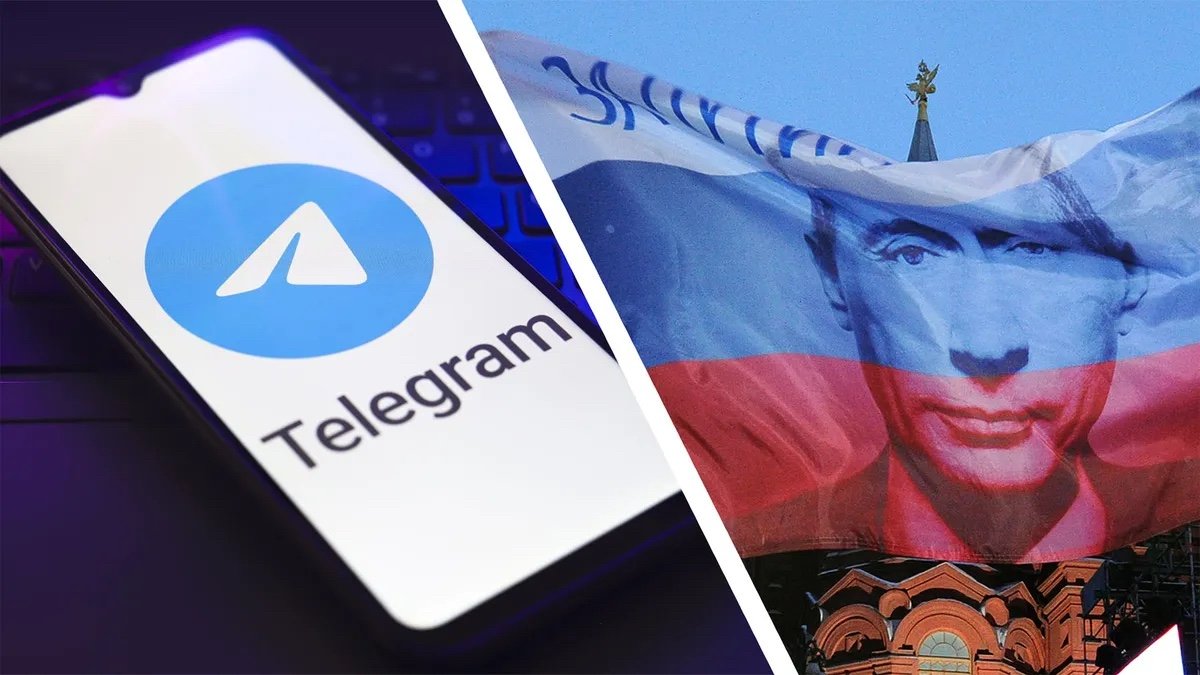
Following the initial crackdown on Western platforms like Facebook and Twitter, Russia's information sphere largely migrated to Telegram. Founded by Russian-born dissident Pavel Durov, the app became a vital hub for news, dissent, and even military coordination due to its perceived anonymity and security. The Kremlin's recent legislative push against Telegram, alongside the promotion of a state-run alternative called Max messenger, signals a decisive shift. This move aims to de-anonymize the Russian internet and bring all public discourse into alignment with official state narratives.
The suppression of prominent military bloggers like the late Yevgeny Prigozhin and jailed Igor Girkin was a precursor to this broader clampdown. The state's goal is clear: to suppress anti-war messaging and pre-empt signs of domestic unrest ahead of any future mass mobilization. However, the reaction suggests this heavy-handed approach may be counterproductive.
Several pro-government Telegram channels with millions of followers have criticized the restrictions as a self-inflicted disaster that further isolates Russia's tech sector. Military-affiliated and volunteer channels report concerns over dwindling donations and outreach, hampering support for the war effort. While organized protest has so far failed to materialize, the crackdown is exposing and deepening latent grievances.
Deepening Discontent and Structural Risk
Although Telegram is now officially restricted, it remains widely accessible via virtual private networks (VPNs). The government's parallel efforts to block VPNs, however, are only amplifying dissatisfaction among the urban population and parts of the military that rely on the app for secure communication. The Kremlin thus finds itself in a paradoxical position: measures designed to stabilize the information space and consolidate control are instead acting as a catalyst for discontent.
This dynamic creates a structural vulnerability. The more the state restricts information, the more it erodes the foundational social contract of prosperity for political passivity. Combined with the economic pressures of sustained war and sanctions, this could transform digital repression from a tool of control into a trigger for broader political change. The geopolitical ramifications of such instability would be significant, affecting global energy markets and strategic alliances. As seen with the petroyuan's potential rise, financial systems are increasingly shaped by such crises.
The situation underscores a global trend where states attempt to control digital narratives, often with unintended consequences. For Asia-Pacific observers, Russia's struggle offers a case study in the limits of information control in a connected world. The region faces its own challenges, from military-technological competition in the Western Pacific to managing the economic and strategic fallout of protracted conflicts elsewhere, such as the stalemate in the Middle East.
Russia has already experienced one coup attempt linked to Telegram in 2023. The irony is that the Kremlin's war on the platform, intended to extinguish dissent, may yet provide the spark for another.