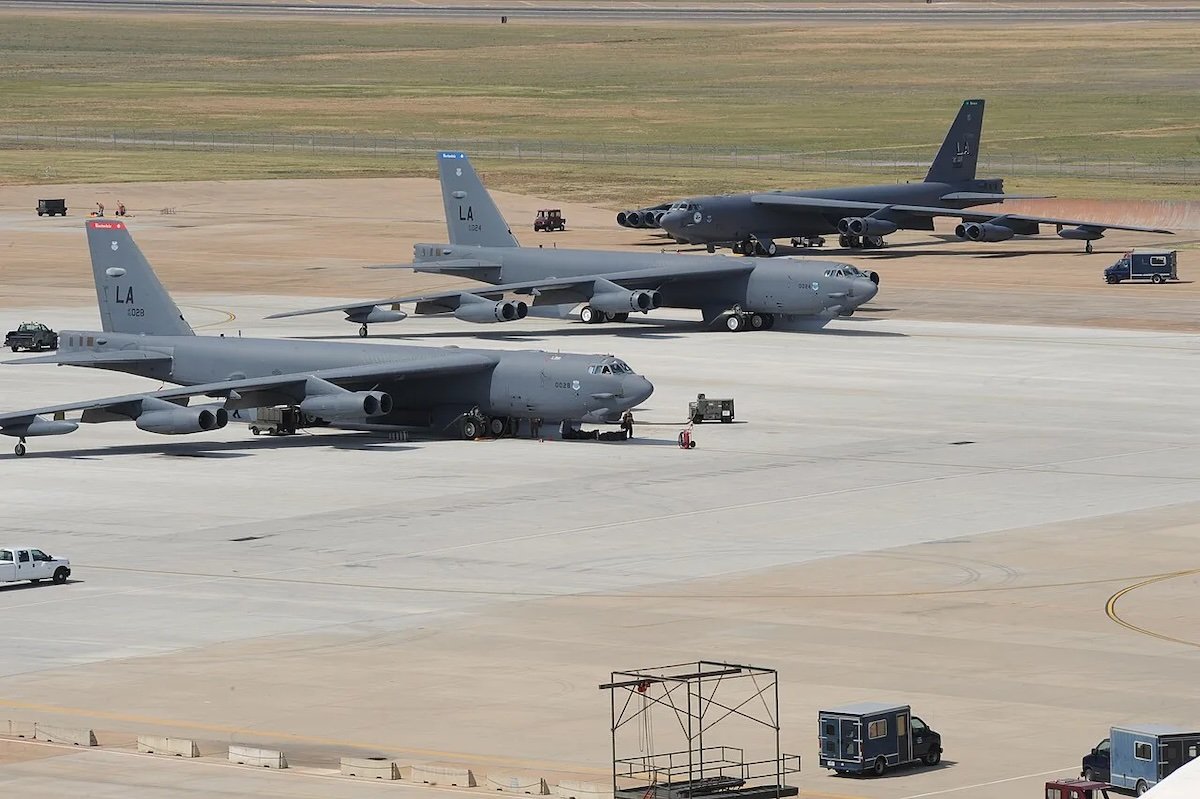
In an unprecedented breach of US airspace security, sophisticated drone swarms targeted Barksdale Air Force Base in Bossier Parish, Louisiana, during the week of March 9. The attacks forced a temporary halt to B-52H bomber launches supporting Operation Epic Fury against Iran, marking the first time a US airbase has been put out of operation during wartime—a feat not achieved even in World War II.
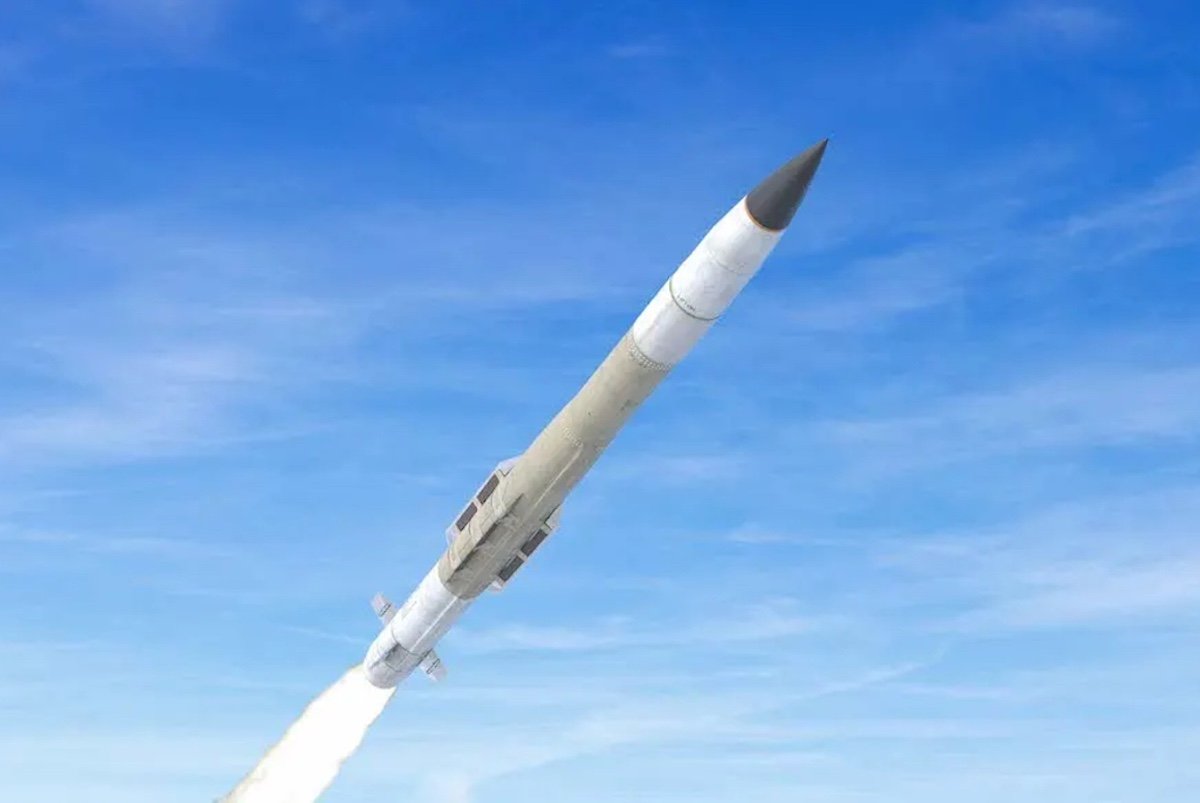
Each wave, lasting approximately four hours, compelled the Air Force to ground operations and send personnel to shelters. Barksdale serves as the command hub of the US Air Force Global Strike Command and is a critical component of America's nuclear triad, housing B-52 bombers, long-range nuclear cruise missiles like the AGM-86B, and future Long Range Standoff cruise missiles. Construction of shelters for these new missiles is underway.
Drone Capabilities Beyond Known Standards
The drones, numbering 12 to 15 per wave, flew with their lights on, intentionally visible. Their extraordinary loiter time—four hours per wave—and ability to resist broad spectrum jamming suggest a level of sophistication far beyond what has been observed in Ukraine or Iran. The drones operated in dispersed patterns, using varied ingress and egress routes, making triangulation of their signals virtually impossible. They may have been autonomous or semi-autonomous, equipped with multiple sensors to adapt to jamming attempts.
Barksdale lacks dedicated air defenses or fighter jets to counter drones. Its electronic countermeasures, designed to disable GPS and datalinks, failed to work. The drones' non-commercial signal characteristics and resistance to jamming point to a highly advanced adversary. Analysts believe China is best positioned to produce such drones, which surpass almost anything in the US arsenal.
The attacks are seen by some as China's response to the US shootdown of its spy balloons, including one that overflew Malmstrom Air Force Base in Montana and Whiteman Air Force Base in Missouri in early 2023. While concerns have focused on Russia feeding intelligence to Iran during Epic Fury, the Barksdale incident strongly suggests China is providing critical intelligence and weapons to Tehran, assuming the drones were Chinese-operated or directed by proxies.
The operators were likely well-trained and smuggled equipment into the United States. The persistence and discipline of the operation indicate a highly sophisticated network.
Impact on Operations and Broader Implications
The drone waves delayed critical B-52 launches carrying AGM-158 JASSM-ER stand-off missiles and GBU-57 Massive Ordnance Penetrator bombs. The JASSM-ER, a stealthy weapon with a 1,000-kilometer range, and the 30,000-pound GBU-57 were reportedly used against the Taleghan-2 facility at Iran's Parchin military complex, which was developing nuclear triggers. Satellite imagery from the Vantor Institute showed three precise impact craters consistent with these bunker-busters.
By postponing B-52 launches, Iran gained time to relocate critical assets. The drones may have also intercepted war plans and command-and-control operations, raising the stakes for US strategic assets. Barksdale is in the congressional district of House Speaker Mike Johnson (Republican).
This incident underscores the growing threat of advanced drone swarms to US military installations. For context, the US military faces a costly dilemma in countering cheap drones, as explored in this analysis. Meanwhile, China's drone capabilities continue to expand, with potential implications for Taiwan and the broader Indo-Pacific, as discussed in this report. The Barksdale attack also echoes trends in the Middle East, where Iran's low-cost drones are reshaping precision warfare.
The incident raises urgent questions about US airbase vulnerabilities and the need for advanced counter-drone systems. As the US Air Force faces critical shortfalls in sustaining prolonged conflicts, the Barksdale attack may signal a new era of asymmetric warfare where state actors use sophisticated drones to disrupt strategic operations.