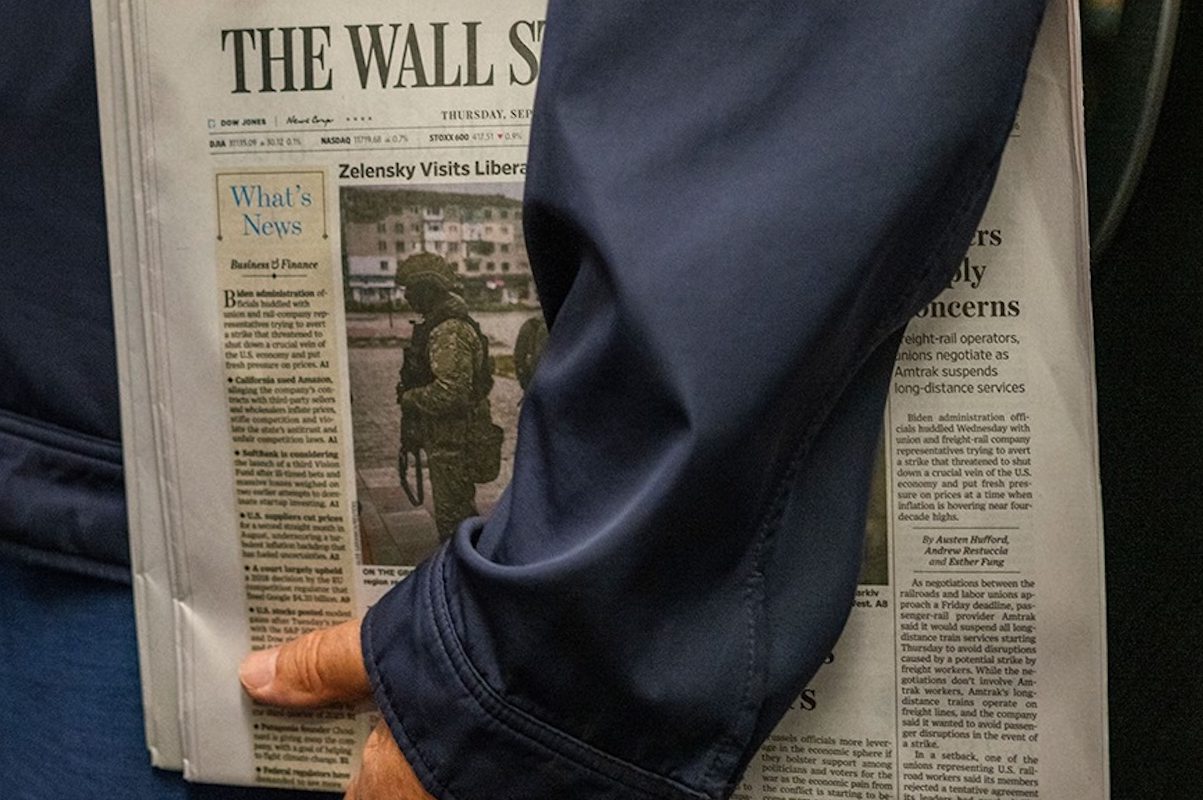
The administration of US President Donald Trump has escalated its confrontation with the American press, issuing grand jury subpoenas to The Wall Street Journal and other news organizations for records related to coverage of the Iran war. The move, reported Monday by the Journal itself, marks a significant step in Trump's long-running campaign against journalists he accuses of leaking classified information.
According to the Journal, the subpoenas were issued on March 4 and target reporters who have worked on sensitive national security stories. The newspaper cited an unnamed administration official stating that Attorney General Todd Blanche—Trump's former personal attorney—had vowed to secure such subpoenas. In one meeting, Trump reportedly handed Blanche a stack of news articles with a sticky note reading 'treason,' claiming the coverage threatened national security.
Trump and top officials, including Pentagon Secretary Pete Hegseth, have publicly condemned media reporting on the Iran conflict. In April, Trump threatened to imprison journalists involved in stories about a US fighter jet shot down over Iran and subsequent rescue efforts. The previous month, he floated 'charges for treason' against reporters he accused of spreading 'false information' about the war.
Subpoenas Target Specific Reporting
The subpoena directed at the Journal concerns a February 23 article that reported General Dan Caine, chairman of the Joint Chiefs of Staff, and other Pentagon officials had warned Trump about the risks of a prolonged military campaign against Iran. The Washington Post published similar stories that same day. Trump launched the war five days later, on February 28.
CNN reported Monday that other news outlets have also received subpoenas in recent months, though many have declined to comment. Scott Stedman, an investigative journalist with The Newsground, accused the leaders of targeted outlets of 'cowardice' for not speaking out against what he called a 'brazen assault on press freedom.'
Ashok Sinha, chief communications officer of Dow Jones, the Journal's publisher, stated that 'the government's subpoenas to The Wall Street Journal and our reporters represent an attack on constitutionally protected newsgathering.' He added, 'We will vigorously oppose this effort to stifle and intimidate essential reporting.'
The subpoenas come amid a broader crackdown on leaks and press freedom under Trump. The administration has also targeted Chinese firms with new sanctions, as detailed in our analysis of US leverage before the Trump-Xi summit. The Iran war itself has strained US relations across the Indo-Pacific, with implications for oil markets and regional security, as explored in our report on the unraveling of Trump's war claims.
For Asian media outlets covering the US-Iran conflict, the subpoenas raise concerns about the safety of journalists reporting on sensitive military operations. The Trump administration's actions could chill reporting on US military engagements that directly affect Asian allies and partners, from Japan and South Korea to India and Southeast Asian nations. The upcoming Trump-Xi summit in Beijing is expected to address Iran oil, Taiwan, and trade tensions, making press freedom a key backdrop.
Critics argue that the subpoenas represent an unprecedented attack on the First Amendment, while supporters of the administration contend that national security requires tighter control over classified information. The legal battle ahead will test the boundaries of press protections in an era of heightened government secrecy and executive power.



