Consecutive headlines in The Washington Post this weekend—reporting on stalled diplomacy and intelligence indicating China's deeper involvement in the Iran conflict—have drawn uneasy comparisons to the news reports that preceded the outbreak of the First World War. The parallel underscores growing international concern that a series of interlocking alliances and military postures are creating a dangerously volatile situation.
A Modern Alliance Network Confronts US Power
The strategic landscape today is defined by formal partnerships that did not exist a decade ago. In 2021, China and Iran solidified a broad strategic partnership covering economic, diplomatic, and security cooperation. Russia followed by signing a comprehensive military and security agreement with Iran last year. This tripartite alignment means actions against one partner now risk a response from all three, a fact central to current tensions.
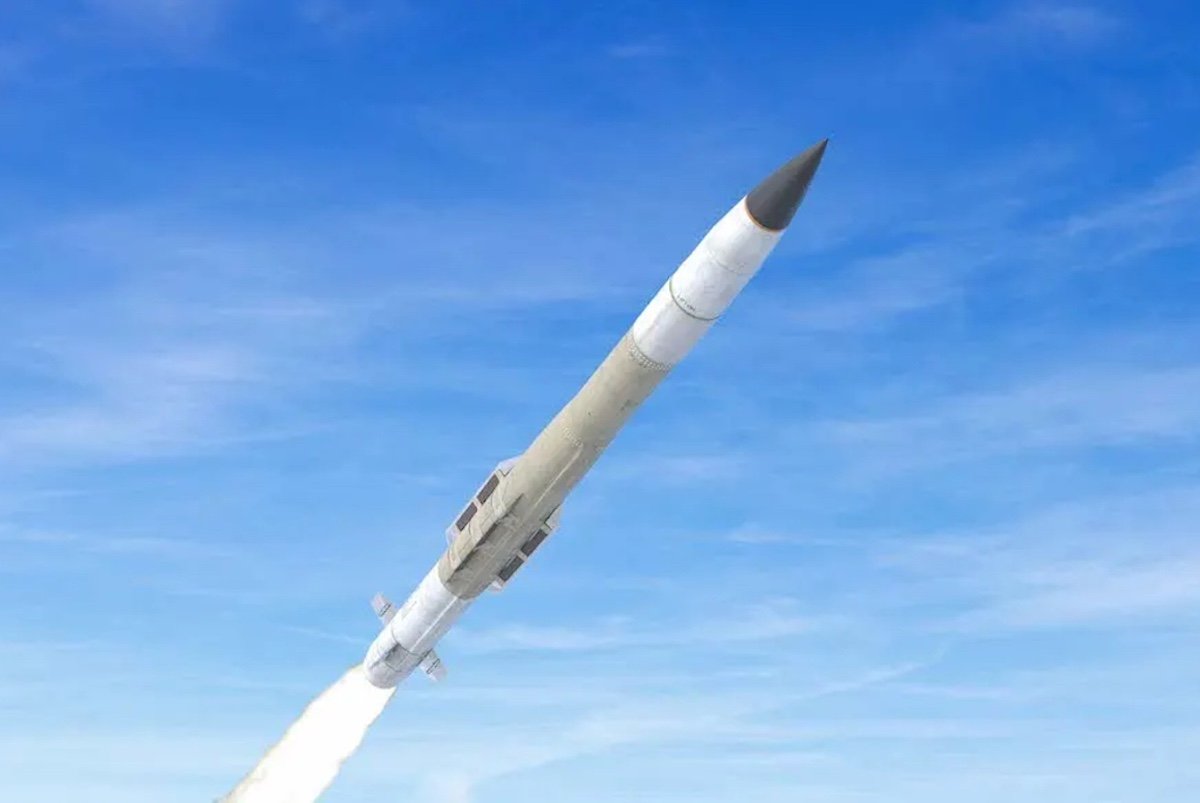
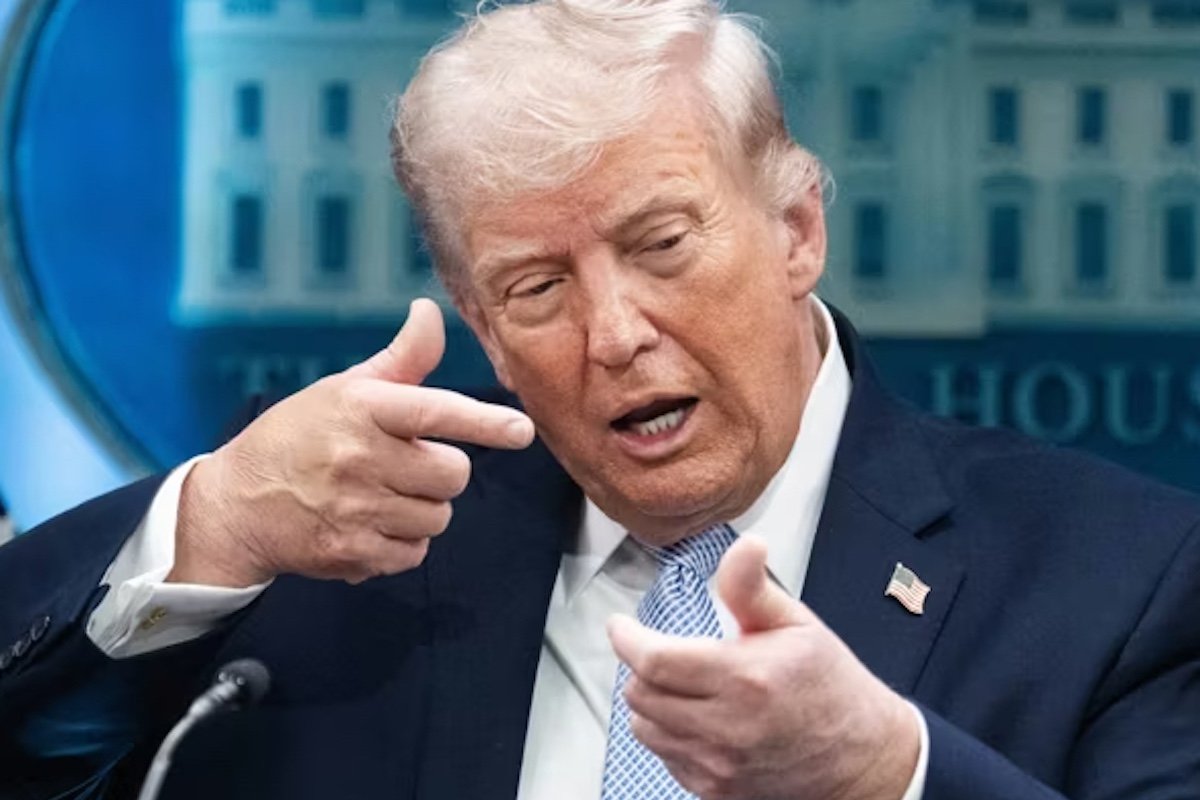
Against this backdrop, former President Donald Trump declared on social media that the United States Navy would impose a blockade on the Strait of Hormuz. He stated the US would intercept "every vessel in International Waters" that had paid transit fees to Iran. The Strait is a critical global chokepoint, historically facilitating the flow of roughly 20% of the world's daily oil supply.
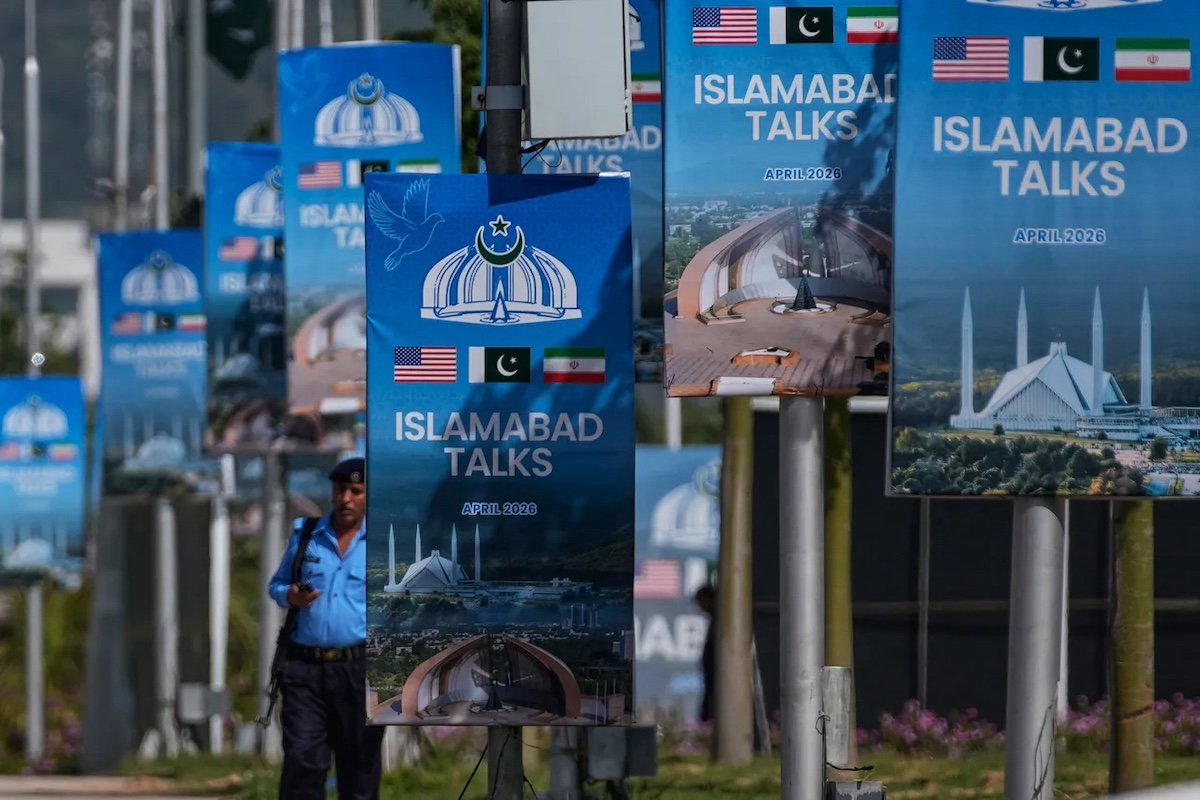
This blockade directly targets the war and energy supplies of nations with significant military assets in the region and nuclear capabilities. It commenced just hours after the collapse of peace talks in Islamabad, which were led by US envoys with limited diplomatic experience, further narrowing pathways to de-escalation. For more on potential off-ramps, see our analysis on pathways to de-escalation between Washington and Tehran.
Historical Echoes of 1914
The current crisis follows a script disturbingly similar to the events leading to World War I. In 1914, the assassination of Archduke Franz Ferdinand provided Austria-Hungary a pretext to move against Serbia. A web of mutual defense treaties—between Russia and Serbia, Germany and Austria-Hungary, and France and Russia—then activated almost automatically. Military mobilizations and ultimatums, driven by paranoia and rigid war plans, created a momentum that leaders could not control, resulting in a catastrophic continental war.
Today, the trigger is not an assassination but a naval blockade. The interlocking agreements are the modern strategic partnerships between Beijing, Moscow, and Tehran. The key difference, and greatest danger, is that the major powers now being pulled toward potential conflict—including the United States, China, and Russia—possess nuclear arsenals.
Domestic Politics as a Driver of Conflict
Analysts point to domestic political pressures as a significant factor in the current escalation. Israeli Prime Minister Benjamin Netanyahu, facing a protracted criminal trial for fraud, bribery, and breach of trust, had long advocated for a more confrontational stance toward Iran. His trial was paused under emergency rules following the outbreak of hostilities, a suspension that has only recently ended. Reports suggest Netanyahu's personal legal jeopardy was a factor in his vigorous lobbying of the Trump administration prior to the conflict.
Former President Trump, who faces his own legal challenges, has publicly pressured Israel's president to pardon Netanyahu. This intertwining of personal legal battles with high-stakes foreign policy has raised questions about the primary motivations behind decisions that carry global consequences. The situation in Lebanon remains tense, as explored in our report on why the Israel-Lebanon ceasefire fails to guarantee lasting peace.
The announcement of the Hormuz blockade has immediate and severe implications for Asia. China, as a formal ally of Iran and a major importer of Gulf energy, views the US action as a direct threat to its strategic and economic interests. The blockade risks severing a vital energy artery and sets a precedent for US interdiction of Chinese shipping. This dramatically raises the stakes for Sino-American relations, a point underscored by the timing ahead of any potential high-level dialogue. The geopolitical fallout is examined in our analysis of the blockade's impact on US-China summitry.
The international reaction has been swift. Key NATO allies have publicly distanced themselves from the US blockade, warning it could provoke a wider war and has already triggered a surge in global oil prices past $100 a barrel. Meanwhile, Iran has firmly rejected new talks with the US, citing Trump's "erratic" threats and the naval confrontation as proof of Washington's bad faith.
The critical question now is whether the involved powers have learned the central lesson of 1914: that complex alliance systems and military mobilizations can generate their own uncontrollable momentum. With military assets on high alert in the Persian Gulf, the South China Sea, and Eastern Europe, the margin for miscalculation is perilously thin. The world watches to see if today's leaders can exercise a restraint that their predecessors a century ago fatally lacked.