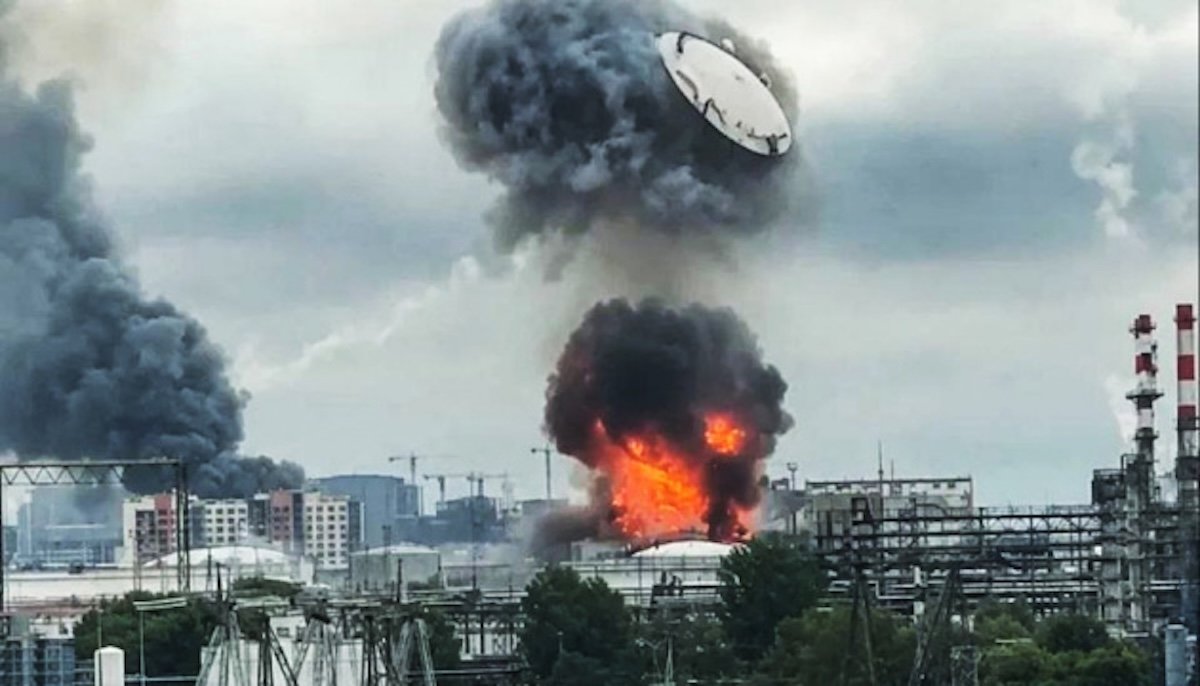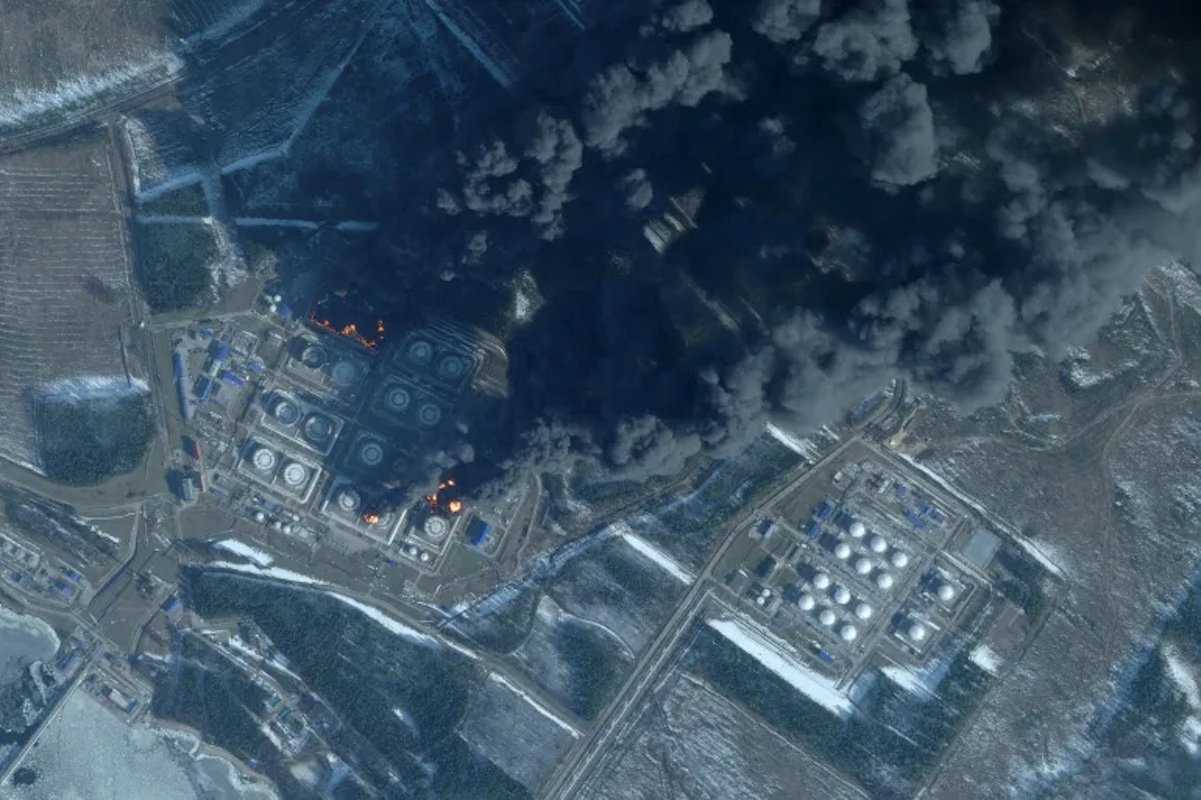
Ukrainian forces have escalated long-range drone strikes against Russia's critical energy infrastructure, targeting facilities deep inside the country. One of the latest attacks reportedly hit the Slavneft-YANOS oil refinery in Russia's Yaroslavl Region on March 28. This facility is among the nation's top five refineries, with an annual capacity to process 15 million tons of crude oil.
This assault follows a similar strike the prior week on the Ust-Luga oil terminal and refinery, a key Baltic Sea export hub. The cumulative effect of these and earlier attacks has been significant. According to analysis by Reuters, approximately 40% of Russia's oil export capacity has been temporarily halted. In response to the disruptions, the Russian government announced an indefinite ban on gasoline exports.
A Clash of Strategic Priorities
The sustained campaign against refineries creates a direct conflict between Ukrainian military objectives and current U.S. economic policy. The administration of U.S. President Donald Trump has prioritized alleviating the global energy crisis, a stance demonstrated by Treasury Secretary Scott Bessent's decision to temporarily waive sanctions on purchases of Russian oil for all buyers, including major consumers like India.
Ukrainian President Volodymyr Zelensky's strategy, however, appears focused on crippling a primary source of Kremlin revenue by degrading Russia's ability to refine and export oil products. This directly undermines the U.S. waiver's intent to keep Russian crude flowing to global markets. The result could be tighter global supply, prolonged price spikes, and reduced consumer spending worldwide—factors that could indirectly harm the U.S. economy.
This raises a critical question: did Zelensky act unilaterally, potentially defying Washington's preferences? Analysts suggest he may be exploiting the Trump administration's intense focus on escalating tensions with Iran to continue a militarily effective campaign. While the U.S. also seeks to pressure Moscow for concessions, as Russian Foreign Minister Sergey Lavrov recently acknowledged, destroying energy infrastructure may not be Washington's chosen method.
Implications for the Indo-Pacific
The fallout from these strikes has immediate relevance for Asia, a region heavily dependent on imported energy. Major economies like China, India, Japan, and South Korea are keenly watching for any sustained disruption to Russian exports, which could force a scramble for alternative supplies and drive prices higher. This comes at a delicate time, as seen by the regional alarm over the Hormuz blockade and its effect on energy security.
India, which has become a major buyer of discounted Russian crude since the Ukraine war began, faces particular uncertainty. Any long-term reduction in Russian refining capacity or export volumes could impact its energy costs and inflation. Similarly, Japan and Korea, which have joined Western sanctions on Russia, remain vulnerable to global price shocks caused by supply constraints elsewhere.
The situation presents a complex dilemma for President Trump. He must decide whether to prioritize restoring Russian oil exports to calm global markets or to allow Ukraine to continue its strategically damaging strikes, even at the cost of a worsening energy crisis. Choosing the former might require pressuring Zelensky to halt the attacks, potentially by slowing arms transfers. Choosing the latter would suggest a willingness to use energy market turmoil as a catalyst for a broader geopolitical realignment.
Trump's recent sharp criticism of NATO allies for refusing to support U.S. efforts in the Strait of Hormuz adds another layer of complexity. It signals a transactional approach to alliances that Kyiv cannot ignore. If the refinery strikes are seen as harming core U.S. economic interests, Zelensky risks a punitive response from a president focused on deal-making and perceived American advantage.
The coming days will be telling. The Trump administration's reaction—or lack thereof—to the continued Ukrainian attacks will clarify its strategic calculus. For Asian capitals, the outcome will determine not just the trajectory of the war in Ukraine, but the stability and cost of the energy that fuels their economies. The region is now caught in the crossfire of a widening conflict, where battlefield tactics in Eastern Europe directly translate to economic pressure points in New Delhi, Tokyo, and Beijing.