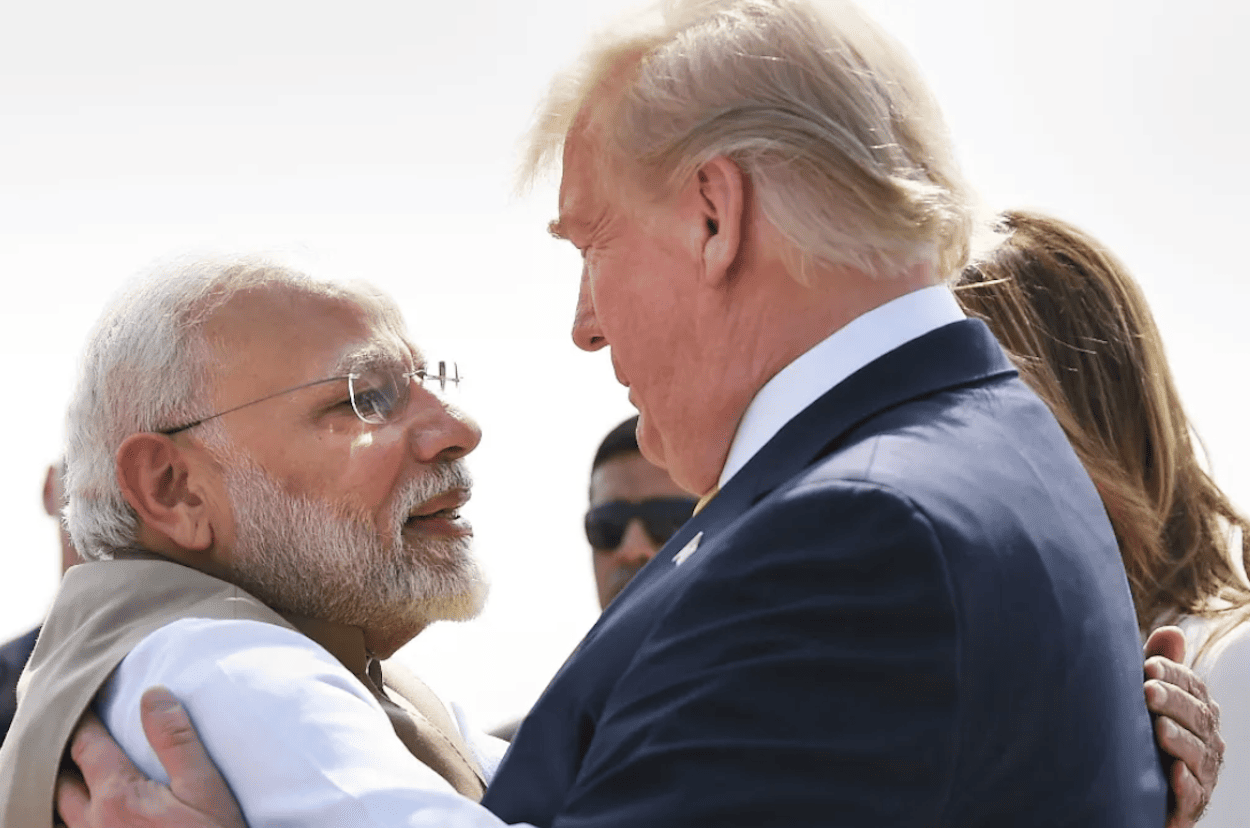
The recent announcement of a US-India trade understanding by President Donald Trump and Prime Minister Narendra Modi represents a significant diplomatic de-escalation, yet its substance remains deliberately ambiguous. Framed as a reset after a year of tariff tensions, the deal was unveiled through coordinated social media posts following a direct leader-level call, projecting a unified front. However, it functions more as a political commitment than a concluded treaty, with technical and legal details deferred for future negotiation.
Substance Follows Symbolism
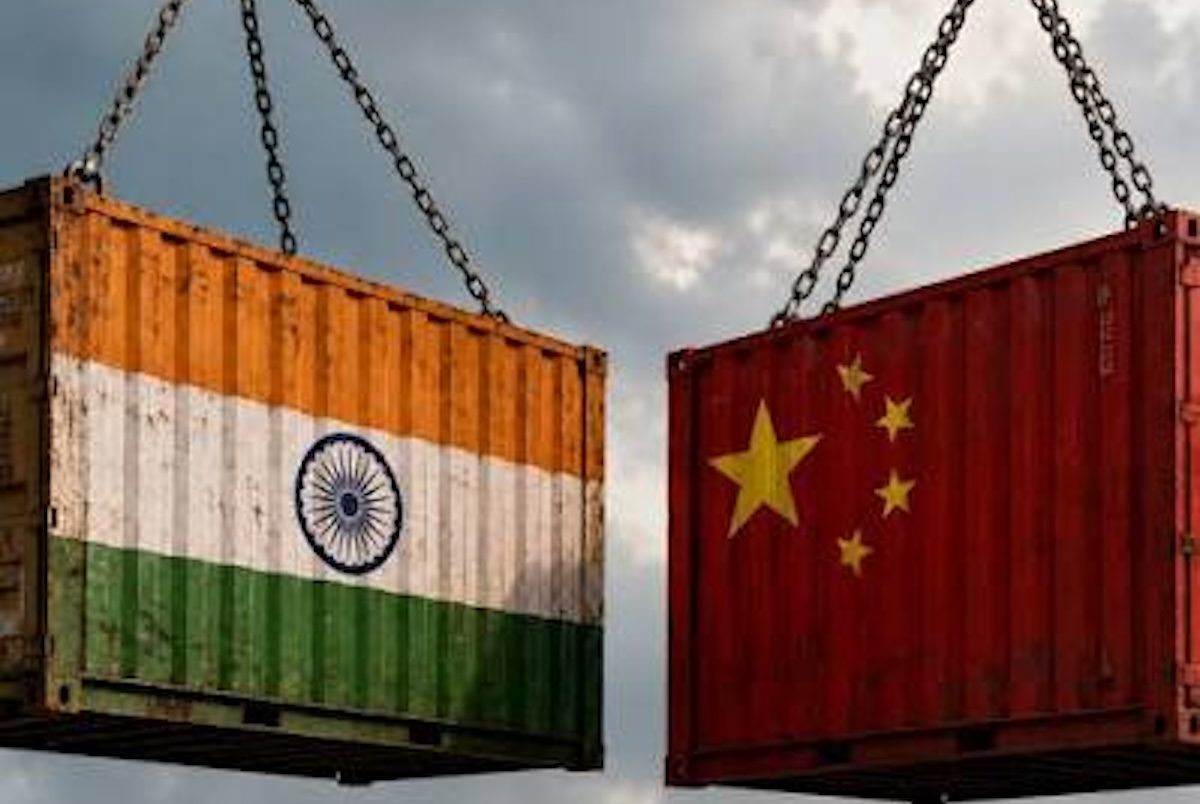
For the United States, the framework advances a core strategic objective: reinforcing India as a trusted partner in the Indo-Pacific to counterbalance China's influence. It promises greater access for American energy, defense, and advanced manufacturing exports to one of the world's fastest-growing major economies. For India, the potential rollback of US tariffs offers relief for key export sectors like textiles and steel, while embedding the country more firmly in global supply chains sought by Western nations diversifying away from China. The agreement, however, was announced as an outcome, compressing months of complex negotiations into a moment of political theater where symbolism temporarily eclipsed procedure.
The key claims made in the announcement—particularly regarding India's commitments to eliminate certain tariffs, increase spending on US goods, and curtail imports of Russian oil—are not yet verified. Official Indian statements have been notably silent or ambiguous on these points. This underscores a fundamental asymmetry: while the political optics project decisive action, the economic and strategic feasibility of such sweeping promises is far more complex.
Navigating Strategic Autonomy
Expectations that New Delhi would dismantle long-standing protections in sensitive sectors like agriculture and dairy overlook deep structural and livelihood concerns. Similarly, the notion that India would decisively abandon Russian energy supplies ignores its doctrine of strategic autonomy, ongoing defense dependencies, and cautious neutrality regarding the conflict in Ukraine. While India has reduced some Russian oil imports under sanctions pressure, these adjustments are pragmatic, not ideological. The framework's ambiguity on these points was likely a deliberate feature, allowing both sides to claim victory while preserving negotiating flexibility.
The path to this announcement began with the US "reciprocal trade" strategy in early 2025, which targeted India's tariff structure as contributing to a bilateral trade imbalance. After announcing higher tariffs on Indian exports in April 2025, Washington paused implementation for talks. As negotiations progressed slowly, tariffs were escalated through mid-2025. Multiple rounds of dialogue occurred between the US Trade Representative and India's Ministry of Commerce and Industry in Washington and New Delhi.
High-level political engagement intensified near the end of 2025, culminating in the direct leader communication. The resulting understanding sees the US agreeing to substantially roll back elevated tariffs, while India commits to selective tariff reductions and increased purchases of American products. Both governments indicate that detailed legal texts and implementation timelines will follow, suggesting a shift toward structured trade normalization rather than a comprehensive free trade agreement. This incremental approach mirrors progress in other negotiations, such as the EU-India trade deal, which also advances amid strategic calculations and regulatory hurdles.
A Calibrated Diplomatic Dance
Experience shows that while the Modi-Trump relationship has produced public spectacles, New Delhi has consistently chosen calibrated restraint in response to US trade pressure. Prime Minister Modi has avoided performative escalation, anchoring engagement in outcome-oriented diplomacy. According to India's Ministry of External Affairs, the two leaders spoke by telephone eight times in 2025, with this month's call being the ninth of the Trump administration. This pattern reveals frequent but selective communication, particularly when India seeks to resist external pressure narratives and preserve its autonomous foreign policy.
This strategic balancing act extends beyond trade. India's security posture, exemplified by developments like the INS Aridhaman submarine enhancing sea-based nuclear deterrence, operates independently of US partnerships. Furthermore, India's economic engagements are multifaceted, as seen when South Korean opposition leader Lee Jae-myung's visit tested bilateral ties at a strategic crossroads.
The broader regional context also shapes this dynamic. The US-India trade move occurs as China's industrial overcapacity reshapes global trade and pressures Asian economies, making supply chain diversification a shared priority. Meanwhile, financial pressures across Asia, from the Japanese yen's volatility to vulnerabilities exposed by regional conflicts, underscore the complex economic landscape in which this deal was struck.
For businesses and policymakers, the immediate future involves navigating uncertainty beneath a veneer of restored goodwill. The framework has frozen further tariff escalation, but concrete terms are not yet codified. The ultimate test will be whether the political symbolism of the leader-level announcement can be translated into mutually beneficial, detailed agreements that respect India's domestic sensitivities and strategic autonomy while delivering on US economic and geopolitical goals. The deal is less a destination and more a signal of intent, setting the stage for the harder, technical negotiations to come.