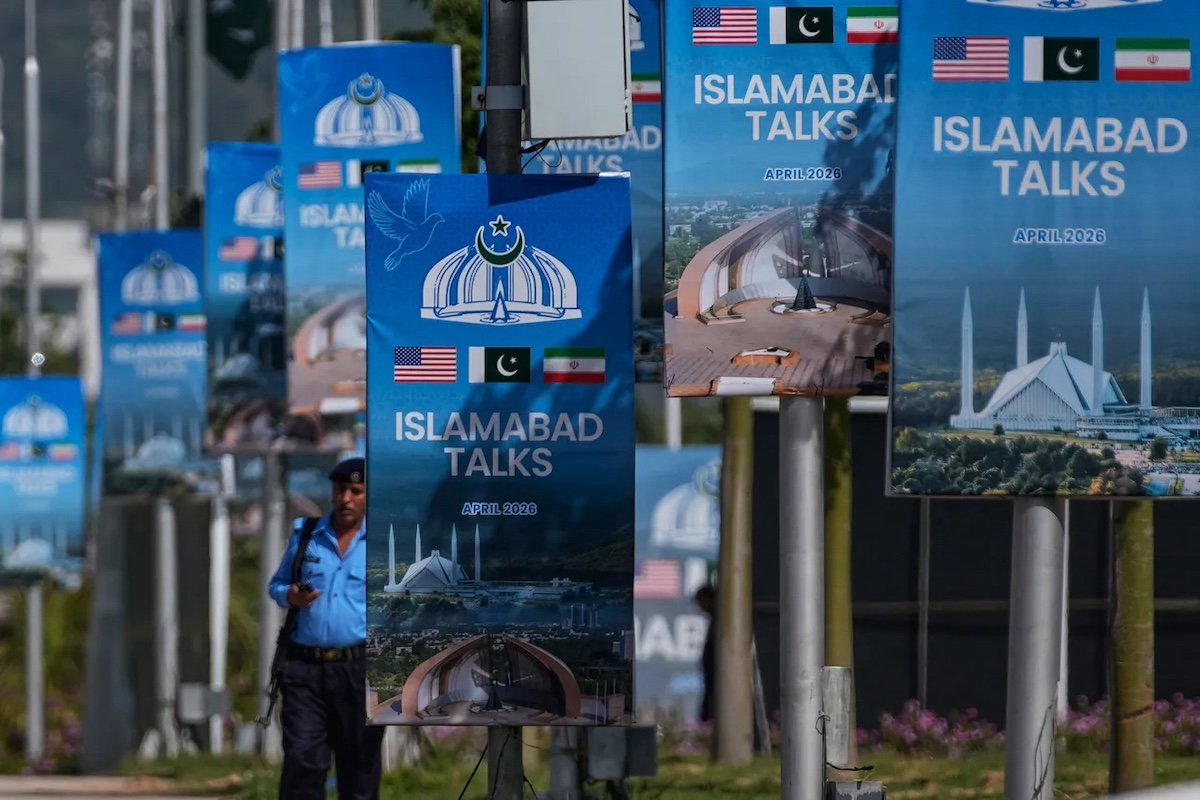
The Trump administration has initiated a comprehensive military blockade of all Iranian ports and coastal areas, a move that came into force on Monday morning, US Eastern time. The blockade permits maritime traffic through the critical Strait of Hormuz only for vessels traveling between non-Iranian ports, effectively seeking to isolate Iran's economy from seaborne trade.
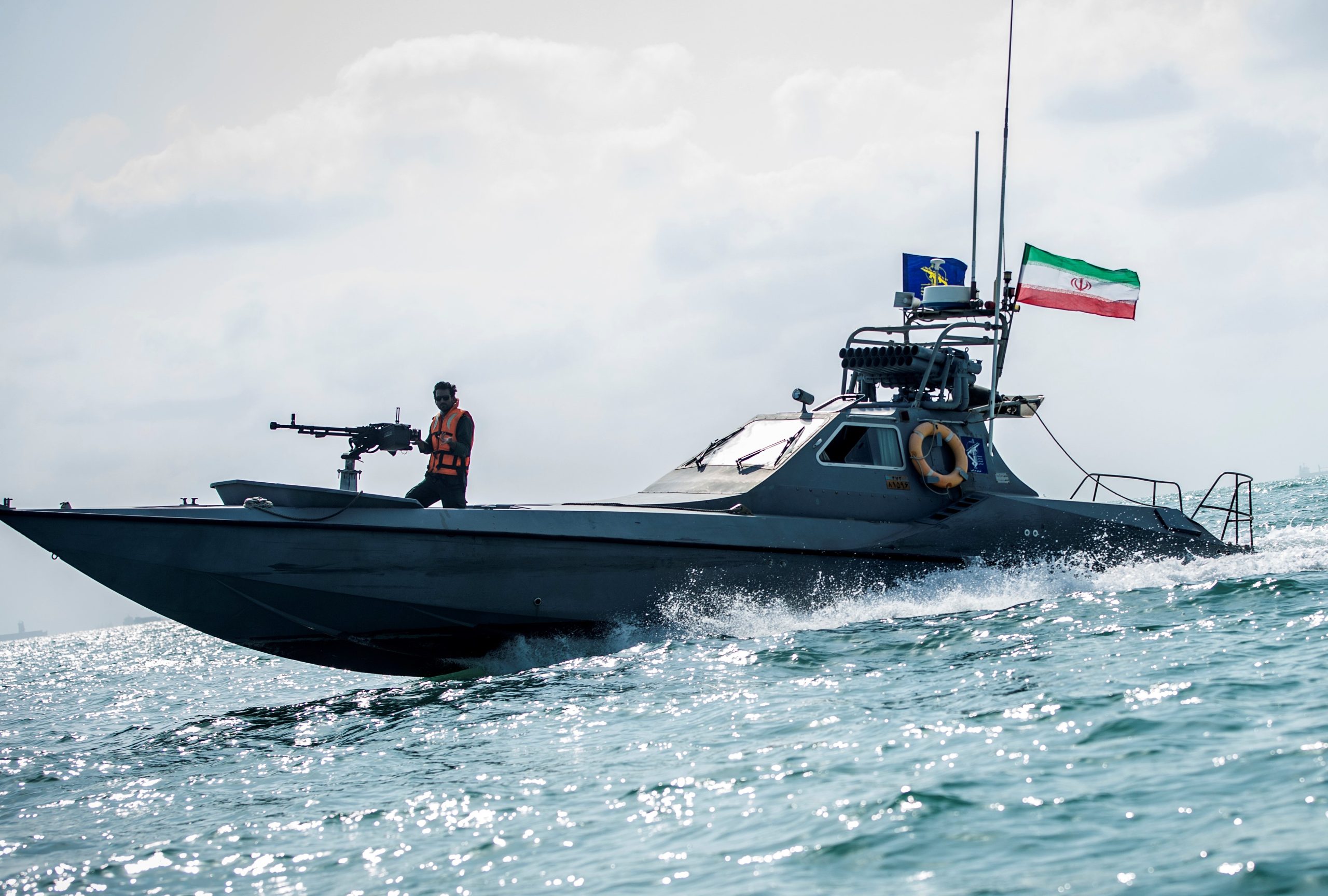
A central challenge for US forces is neutralizing Iran's asymmetric naval threat. Iran maintains a fleet of thousands of heavily armed speedboats and over a hundred patrol vessels, operated by both its regular navy and the Islamic Revolutionary Guard Corps Navy. These small, agile craft pose a persistent risk to shipping in the confined waters of the Gulf. President Trump has stated that while previous operations focused on Iran's major warships, US forces must now locate and destroy this dispersed fleet of small attack craft.
The A-10 Warthog: A Proposed Solution
Military analysts cited in the report identify the US Air Force's A-10 Thunderbolt II attack aircraft as the most cost-effective tool for this mission. The aircraft's 30mm Gatling gun and ability to fire low-cost, laser-guided rockets make it ideally suited for engaging small naval targets. However, only approximately 30 A-10s are currently deployed in the Middle East, drawn from units like the 107th Fighter Squadron at Selfridge Air National Guard Base in Michigan and the 190th Fighter Squadron at Gowen Field in Idaho.
The report argues the fleet could be rapidly tripled by reactivating dozens of A-10s recently retired to the "boneyard" at Davis-Monthan Air Force Base in Arizona. It suggests, however, that the Air Force's longstanding desire to retire the A-10 platform may create institutional resistance to such a move, potentially hampering US operational goals in the Gulf.
Economic Strangulation and Regional Repercussions
The blockade's primary objective appears to be economic. According to analysis by Miad Maleki, a Senior Fellow at the Foundation for Defense of Democracies, the blockade could cost Iran approximately $435 million per day in lost export revenue and disrupted imports. "Over 90% of Iran’s $109.7B in annual trade transits the Persian Gulf," the analysis notes, with the key oil terminal at Kharg Island alone generating tens of billions annually.
Maleki warns the strategy could trigger a currency collapse, stating, "The rial has already cratered... A blockade eliminating all forex earnings pushes the rial into terminal hyperinflation." The Trump administration's calculus is that this severe economic pressure will either force the Iranian regime to capitulate to US demands or spark internal unrest it cannot contain.
This development carries direct implications for the Indo-Pacific, a region heavily dependent on energy imports transiting the Strait of Hormuz. Major economies like China, India, Japan, and South Korea are keenly watching the situation, as prolonged disruption could spike global oil prices and threaten energy security. The US action also tests the waters of unilateral maritime enforcement, a sensitive issue in Asian seas where territorial disputes are common. The reported rejection of the blockade by some NATO allies underscores the diplomatic fractures such actions can create, with potential knock-on effects for US alliances in Asia.
Furthermore, the military focus on the Gulf occurs alongside other global tensions. The strategy of using naval power for economic coercion may draw parallels to other theaters, including the Indo-Pacific. The situation adds a complex layer to international diplomacy, potentially influencing discussions at forums like the upcoming Trump-Xi summit. The US military's reported need for specialized assets like the A-10 also highlights ongoing debates over defense spending and force structure, as seen in the administration's push for a significant defense budget increase.
The success or failure of the blockade, and the military campaign to enforce it, will be closely monitored in capitals from New Delhi to Tokyo, where the stability of Middle Eastern energy corridors is a paramount strategic concern.