The United States has issued a direct warning to financial institutions in Hong Kong and mainland China, threatening secondary sanctions if they are found facilitating transactions for Iran's oil trade. This escalation targets a key financial channel for Tehran and places Hong Kong's globally connected banks in a precarious position between conflicting US and Chinese regulatory demands.
Financial Pressure and Maritime Moves
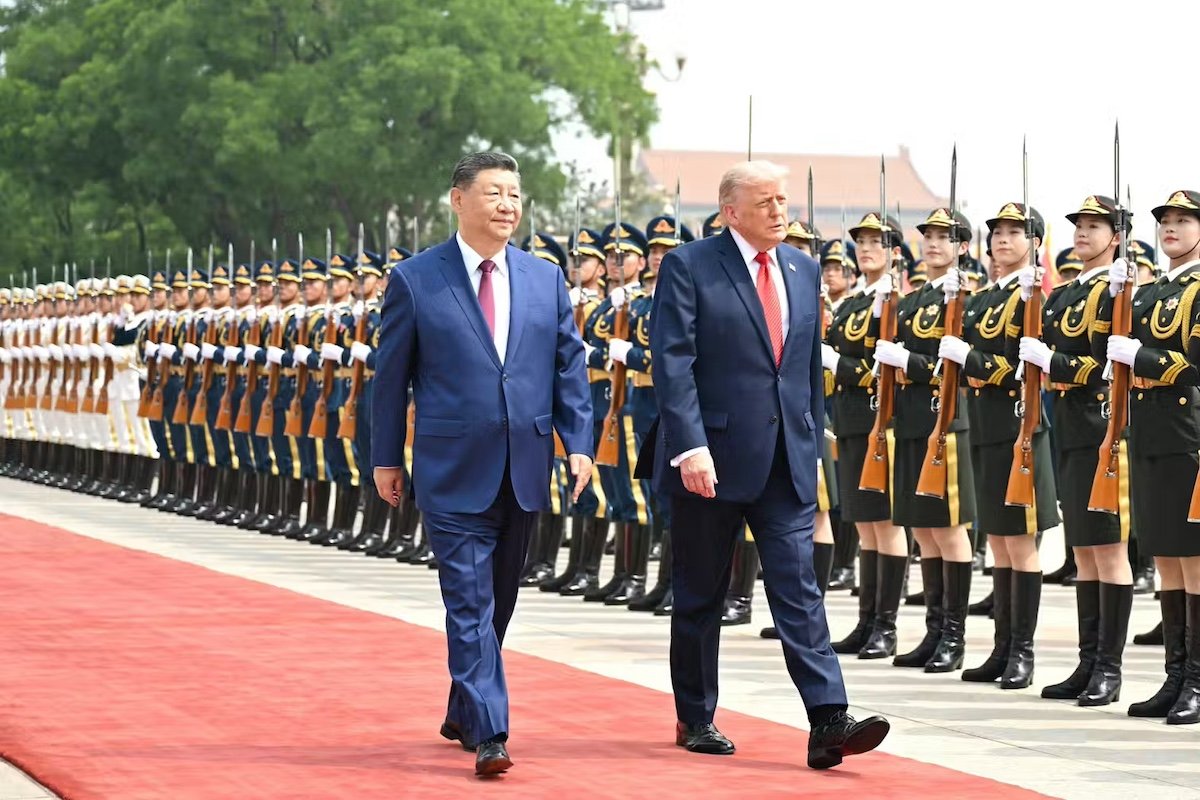
US Treasury Secretary Scott Bessent confirmed that warnings were sent to banks in multiple jurisdictions, specifically identifying two Chinese banks that received letters. "We told them if we can prove there is Iranian money flowing through your accounts, then we are willing to put on secondary sanctions," Bessent stated. This financial pressure coincides with US naval operations restricting Iranian-linked shipping, initially perceived as a broader move in the Strait of Hormuz. President Donald Trump has also claimed that Chinese President Xi Jinping agreed not to supply weapons to Iran, adding a diplomatic layer to the campaign.
US media reports, citing the Treasury letters, allege Iran routed approximately $9 billion in 2024 through US correspondent accounts using front companies, with activity concentrated in Hong Kong, Oman, and the United Arab Emirates. The Treasury urged monetary regulators in these jurisdictions to work with supervised banks to identify and halt any Iran-related financial activity, citing significant illicit finance risks.
Hong Kong's Compliance Dilemma
In practice, major banks in Hong Kong have historically complied with US sanctions to retain vital access to the SWIFT network for international settlements. They have previously closed accounts linked to US-sanctioned Hong Kong officials, including Chief Executive John Lee and Secretary for Security Chris Tang. This de facto compliance exists despite Hong Kong leader John Lee stating in October 2022 that the city would not enforce US sanctions and would handle overseas capital according to its own laws.
The core dilemma stems from China's legal framework opposing foreign sanctions. Passed in 2021, China's Anti-Foreign Sanctions Law bars compliance with foreign sanctions within its jurisdiction. At the time, Chinese media suggested it could be extended to Hong Kong, but Beijing held off after banks expressed concerns about being caught between two regulatory regimes. The recent US warnings directly test this uneasy status quo. For more on the regional security context influencing these financial moves, see our analysis on the protracted US-Iran-Israel stalemate.
Beijing's New Countermeasures
On April 13, Chinese Premier Li Qiang signed a State Council decree introducing new rules to counter what Beijing terms unlawful extraterritorial jurisdiction. The regulations, effective immediately, create a "malicious entities" list targeting foreign organizations and individuals involved in enforcing such measures. They explicitly prohibit any organization or individual from complying with or assisting in the enforcement of these foreign measures and allow affected Chinese parties to file lawsuits with state support.
A pro-Beijing Hong Kong newspaper, Wen Wei Po, argued the new rules would extend protection to Hong Kong-based Chinese enterprises. An unnamed legal expert cited in the article stated, "If businesses choose to seek state protection, the government has the means to provide it. As long as they are Chinese enterprises, they fall within the scope of protection." Zhou Mi, a senior researcher at the Chinese Academy of International Trade and Economic Cooperation, said the regulations mark a more coordinated phase in countering foreign long-arm jurisdiction, with direct implications for companies defending interests overseas.
The confrontation highlights a broader financial decoupling, where geopolitical crises could accelerate alternatives to dollar-dominated systems. This dynamic is explored in our report on how the petroyuan's rise is driven by crises.
Broader Implications for Asian Finance
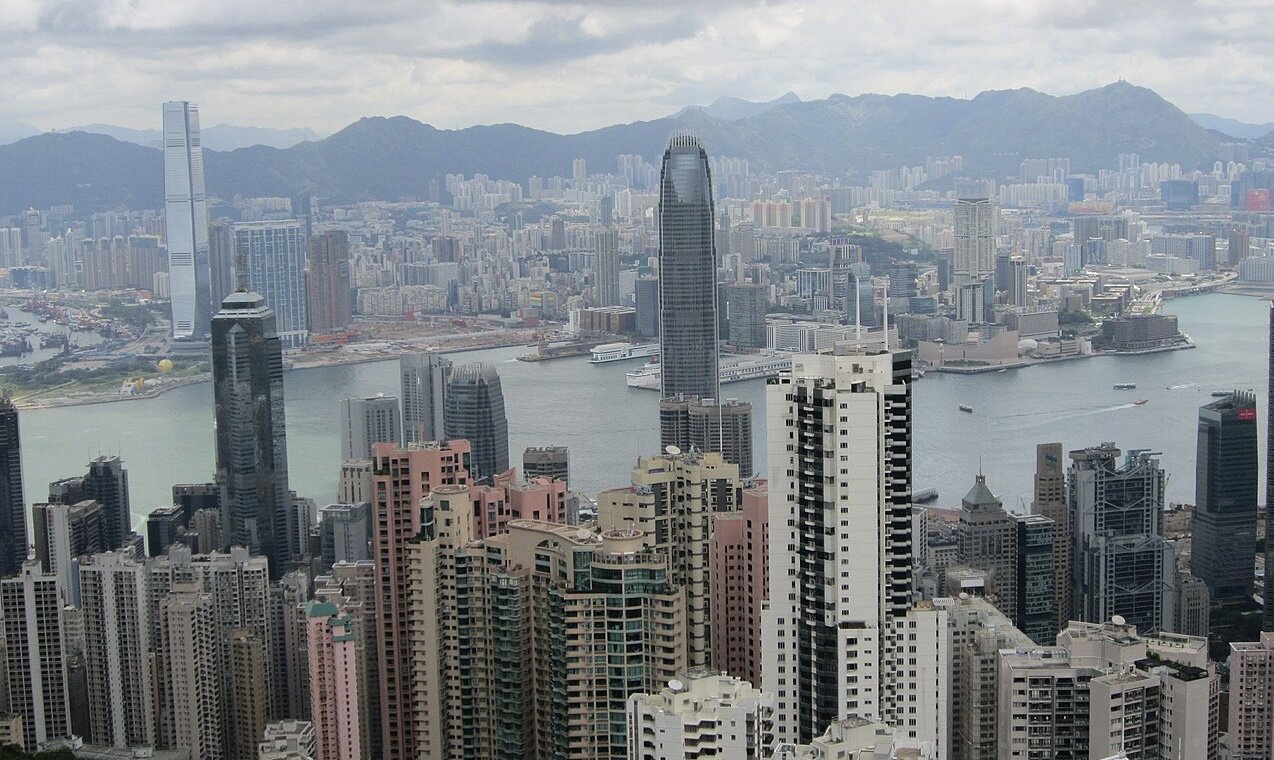
The situation places Hong Kong's role as an international financial center under strain. Banks must navigate the threat of being cut off from the US financial system against the legal imperative from Beijing not to comply. A Shandong-based columnist noted the timing, suggesting the new rules respond to US actions in the Strait of Hormuz that "crossed into what China defines as unlawful extraterritorial jurisdiction."
This financial standoff is part of a wider technological and strategic competition. As the US and China vie for influence, their contest extends into domains like fusion energy supply chains, forcing other nations to choose sides. The warning to Hong Kong banks is a concrete manifestation of how this great-power rivalry is reshaping the rules of global finance and trade, with Asian commercial hubs on the front line.
The immediate focus is whether the targeted banks will curtail Iran-related transactions, risking Beijing's ire, or maintain them, risking US sanctions. The outcome will signal the practical reach of China's new counter-sanctions architecture and the continuing power of US financial hegemony in Asia's most connected marketplace.