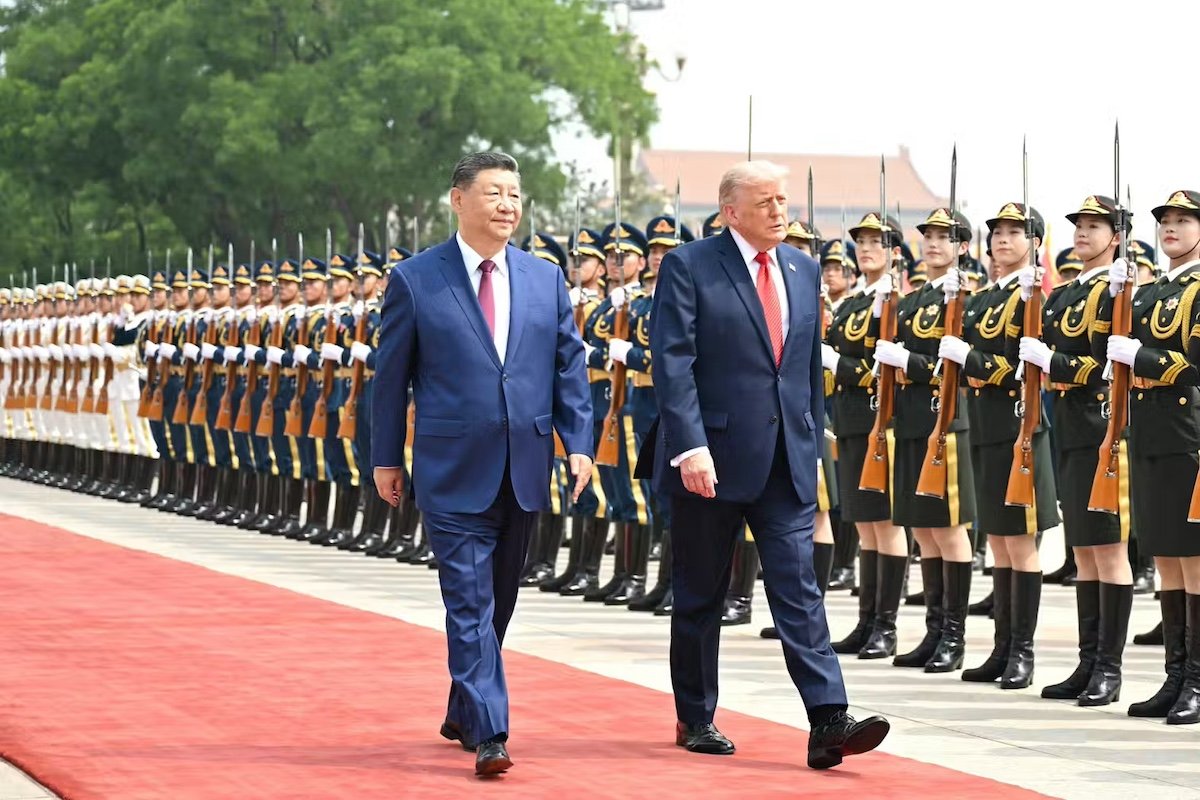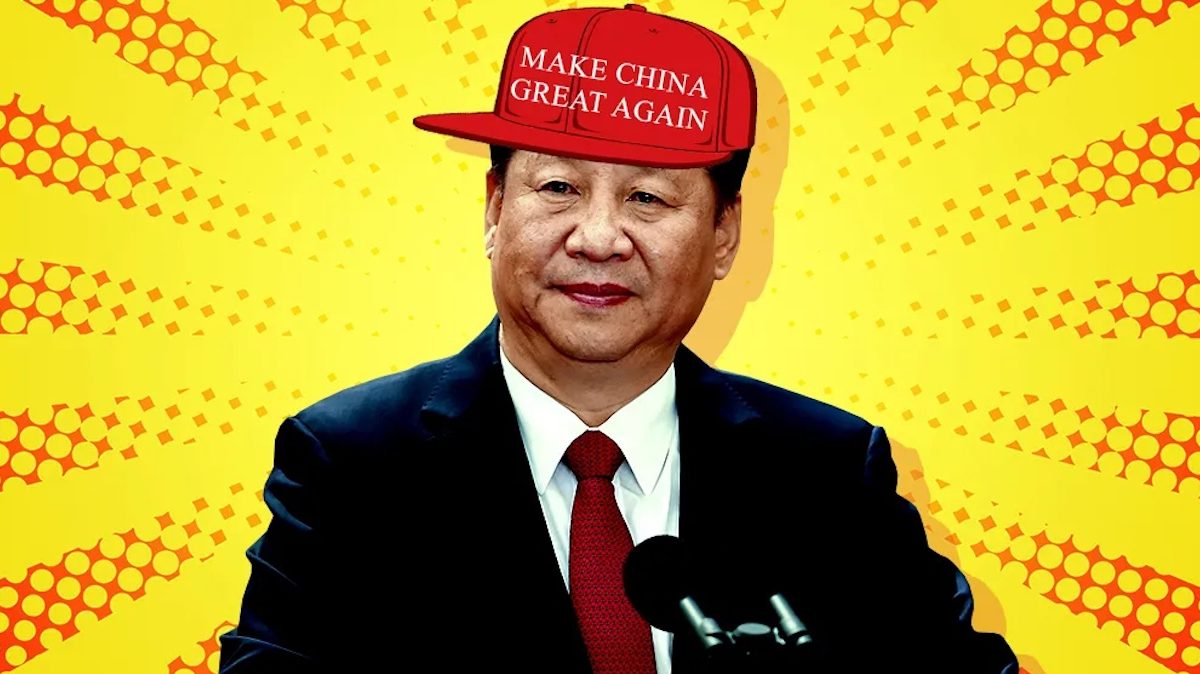
TOKYO — The weekend US-Israeli bombardment that killed Iranian Supreme Leader Ayatollah Ali Khamenei has sent shockwaves through Beijing, where Chinese leader Xi Jinping is confronting a direct challenge to his country's energy lifeline and geopolitical strategy. The strike, part of President Donald Trump's escalating military campaign against Iran, hits China where it hurts most: its access to affordable oil and its carefully cultivated influence in the Middle East.
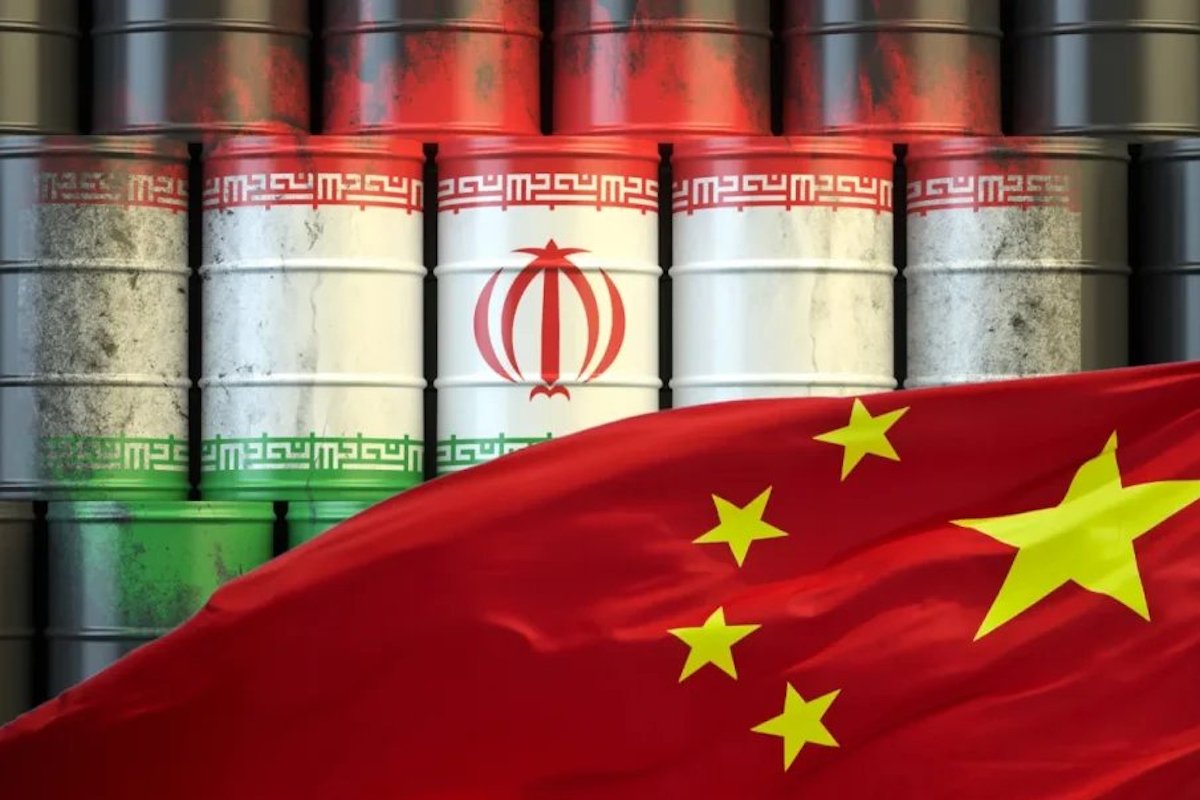
China imports roughly 40 percent of its crude oil from Iran and other Gulf states, much of it passing through the Strait of Hormuz. The US naval blockade imposed alongside the strike threatens to choke that supply, raising the specter of higher energy prices and economic disruption for the world's largest oil importer. Beijing has long relied on Iranian oil to fuel its manufacturing engine, and any sustained disruption could ripple through its already slowing economy.
Beijing's Strategic Dilemma
For Xi, the timing could hardly be worse. The Chinese Communist Party was still smarting from the loss of its Venezuelan ally when news of Khamenei's death broke. Now, Beijing faces a stark choice: defend its interests in Iran and risk a direct confrontation with Washington, or stand aside and watch its influence in the region evaporate. Neither option is palatable for a leadership that has invested heavily in projecting power abroad.
China has positioned itself as Iran's primary economic partner, signing a 25-year cooperation agreement in 2021 that promised billions in infrastructure investment. The strike undermines that investment and calls into question Beijing's ability to protect its partners. As one analyst in Shanghai put it, "The US has sent a clear message that it will not tolerate Chinese encroachment in its traditional sphere of influence."
The strike also complicates China's broader Belt and Road Initiative, which relies on stable energy supplies and secure sea lanes. The China's role in reviving the Iran nuclear deal now appears more critical than ever, yet the US action has made diplomacy far more difficult.
Regional Repercussions
Across Asia, the strike has rattled capitals from Tokyo to New Delhi. Japan, which imports nearly all its oil from the Middle East, faces similar energy security concerns. Prime Minister Fumio Kishida's government has called for restraint, but the US action leaves Tokyo with little room to maneuver. South Korea, another major energy importer, is also watching nervously as its refineries depend on Iranian crude.
India, under Prime Minister Narendra Modi, has maintained a delicate balancing act between its strategic partnership with Washington and its energy ties with Tehran. The strike forces New Delhi to choose sides, a position it has long sought to avoid. Indian officials have privately expressed concern that the US campaign could destabilize the entire Gulf region, threatening the millions of Indian workers who send remittances home.
Southeast Asian nations, including Indonesia and Vietnam, are also vulnerable to oil price spikes. The global economic institutions reassessing state-led growth models may find new urgency in the wake of this crisis, as countries seek alternatives to US-dominated energy markets.
Military and Economic Calculations
The US military's use of expensive missiles against Iranian drones, as detailed in the cost dilemma facing the Pentagon, highlights the asymmetric nature of the conflict. But for China, the economic costs are more immediate. Beijing has already begun stockpiling oil reserves, but analysts estimate it has only enough for 90 days of emergency supply.
Meanwhile, the strike has given new impetus to China's efforts to develop alternative energy sources and reduce its dependence on Middle Eastern oil. The competition between the US and China to build fusion energy supply chains now takes on added urgency, as Beijing seeks to insulate itself from future shocks.
For now, Xi's government has issued a carefully worded statement condemning the strike and calling for restraint, but behind the scenes, Chinese diplomats are scrambling to salvage what they can. The US action has dealt a severe blow to China's ambitions in the Middle East, and the fallout will be felt for years to come.