By Kenji Watanabe
Covers the politics of the Indo-Pacific, from Washington DC back to Tokyo, Seoul and Taipei.
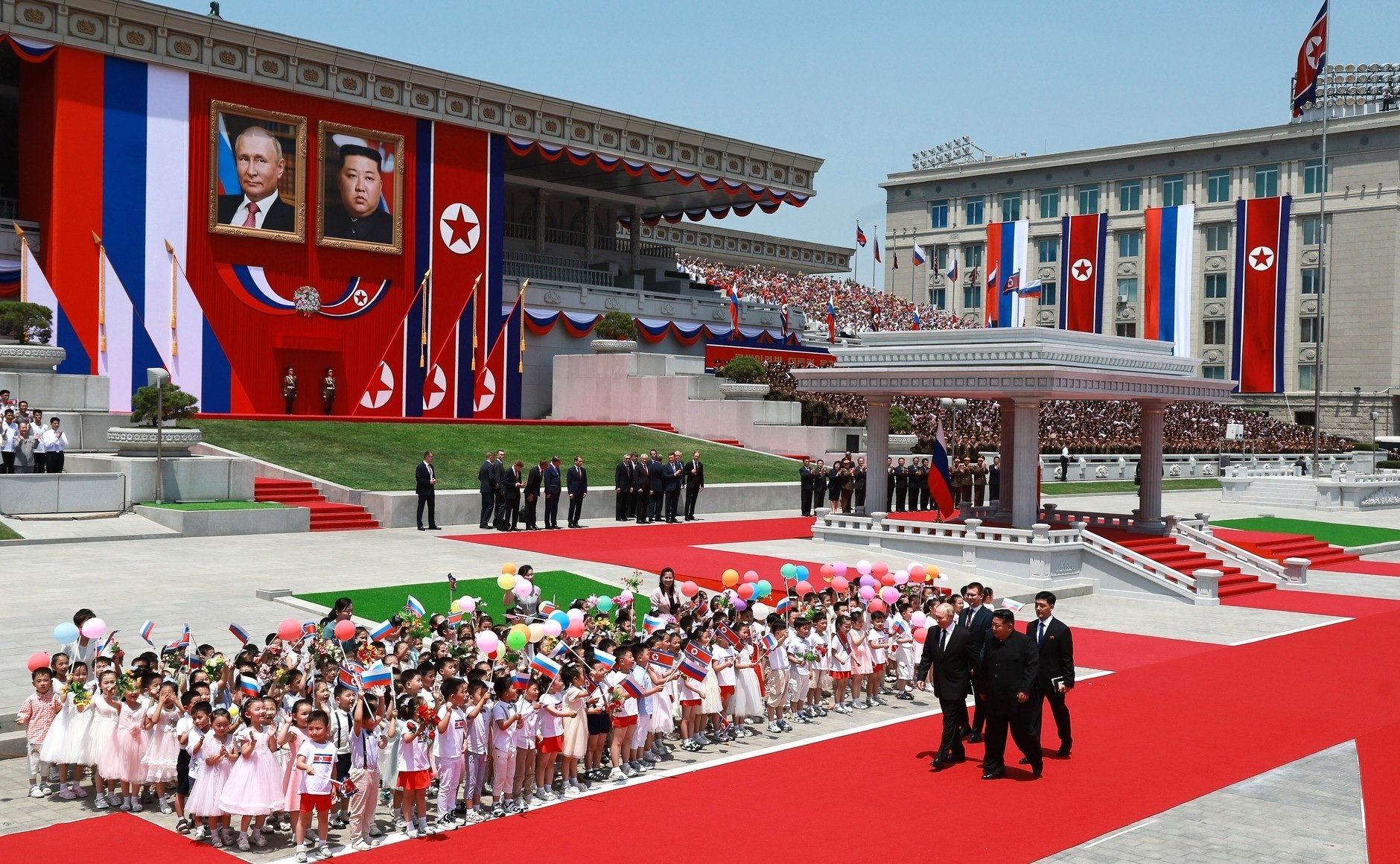
North Korea deepens Russia alliance despite Ukraine war risks
North Korea is escalating military support to Russia, including troops and missiles, in exchange for economic aid and technology. Kim Jong U
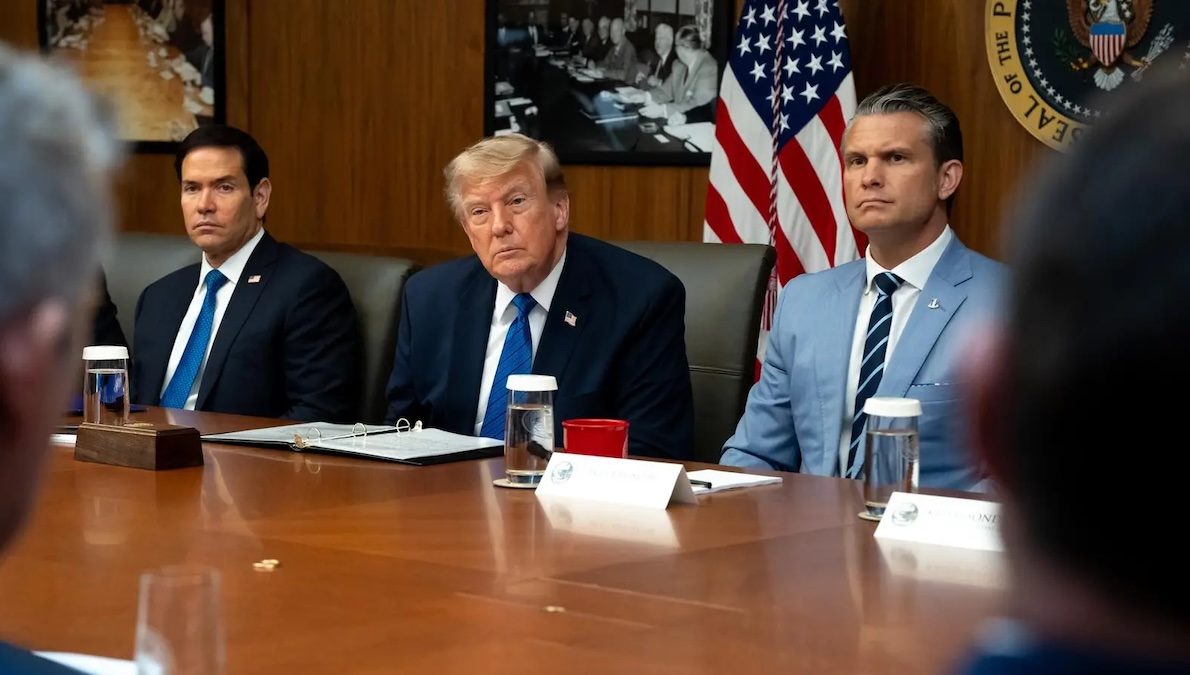
Why Washington must accept a toll at the Strait of Hormuz
The US-Iran war has left Washington with few options in the Strait of Hormuz. Military strikes have failed to reopen the waterway, and Tehra
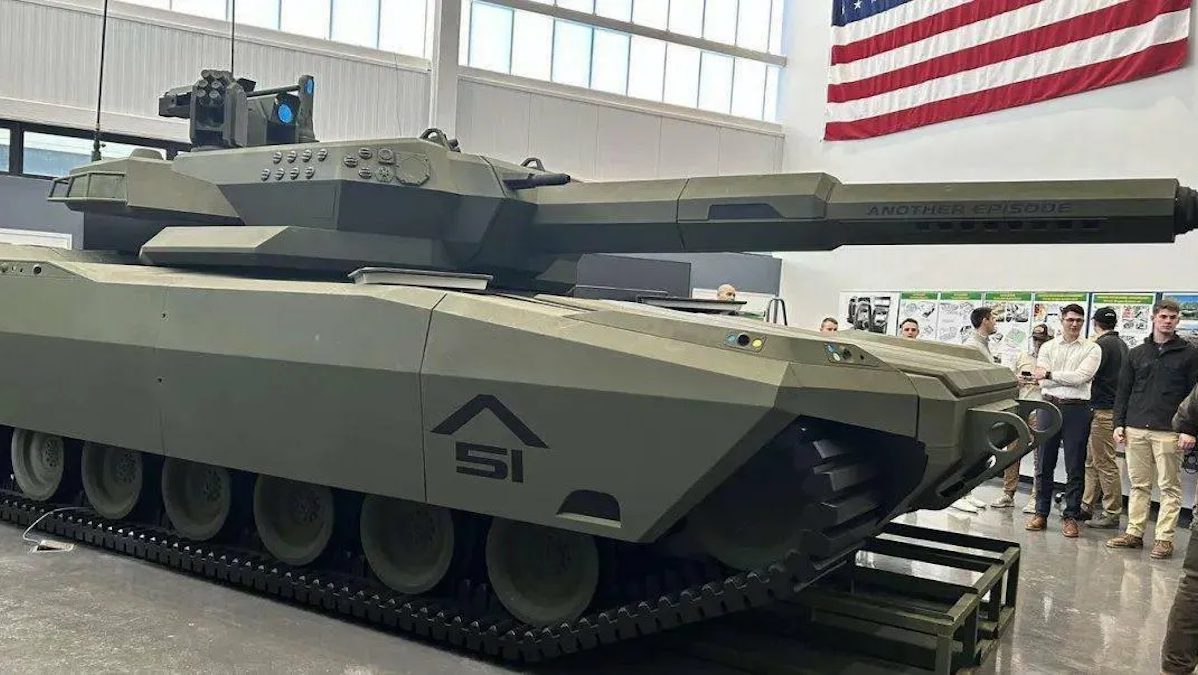
Main battle tanks face an uncertain future on modern battlefields
The US plans a new Abrams by the early 2030s, but heavy tank losses in Ukraine raise doubts. Western and Russian tanks have proven vulnerabl
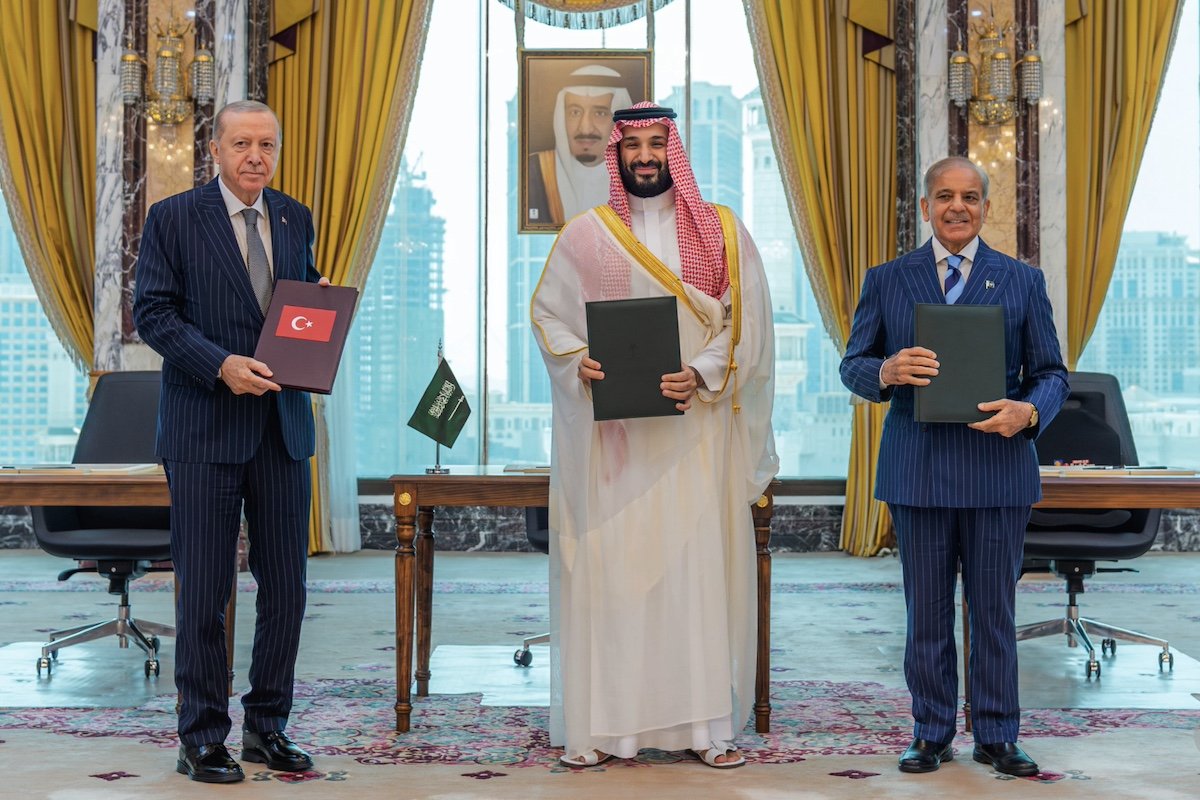
Makkah Agreement's Fate Hinges on Lessons from RCD's Failure
The Makkah Joint Defense Agreement between Pakistan, Saudi Arabia, and Turkey echoes the 1964 Regional Cooperation for Development, which co

Patriot Interceptor Pledge to Ukraine: A Familiar Trump Pattern
Trump's claim that Patriot interceptors are 'on the way' to Ukraine echoes past unfulfilled promises. The administration has repeatedly slow
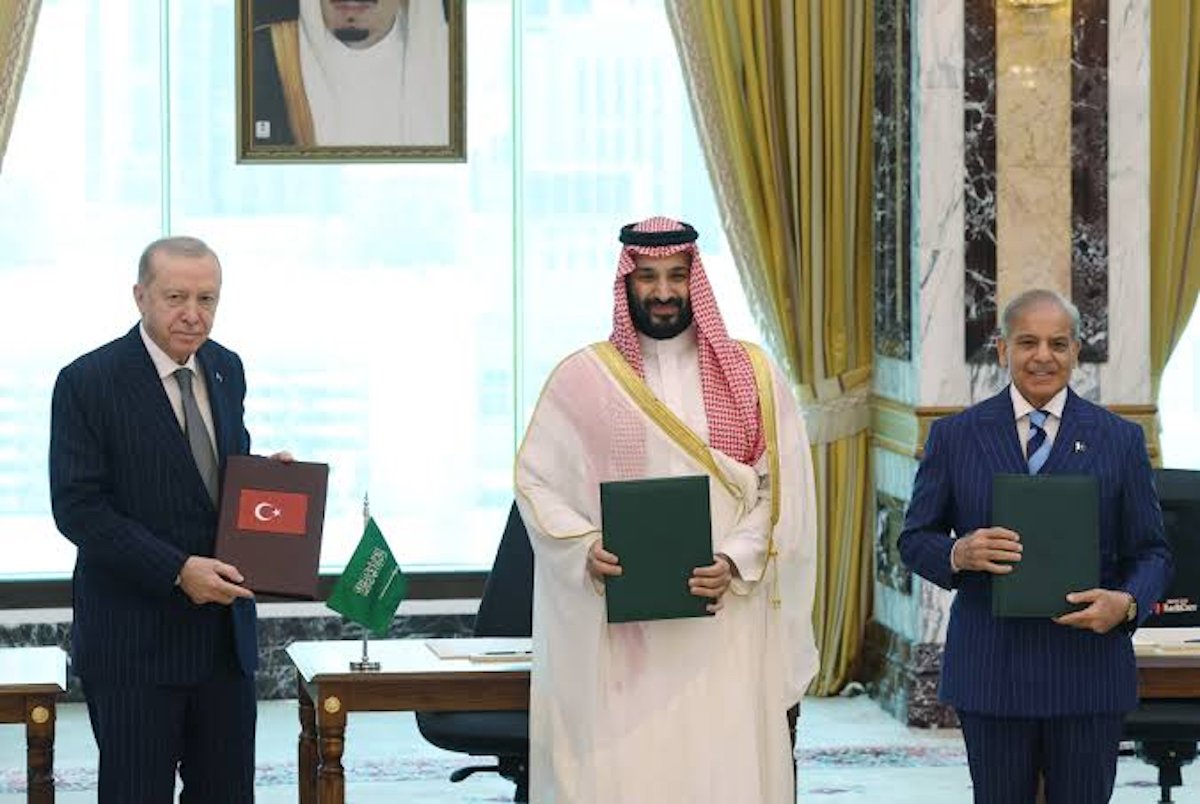
Makkah pact: a strategic hedge, not a defense revolution
The Makkah Joint Defense Agreement, signed by Saudi Arabia, Turkey, and Pakistan, is more a strategic hedge than a mutual defense revolution
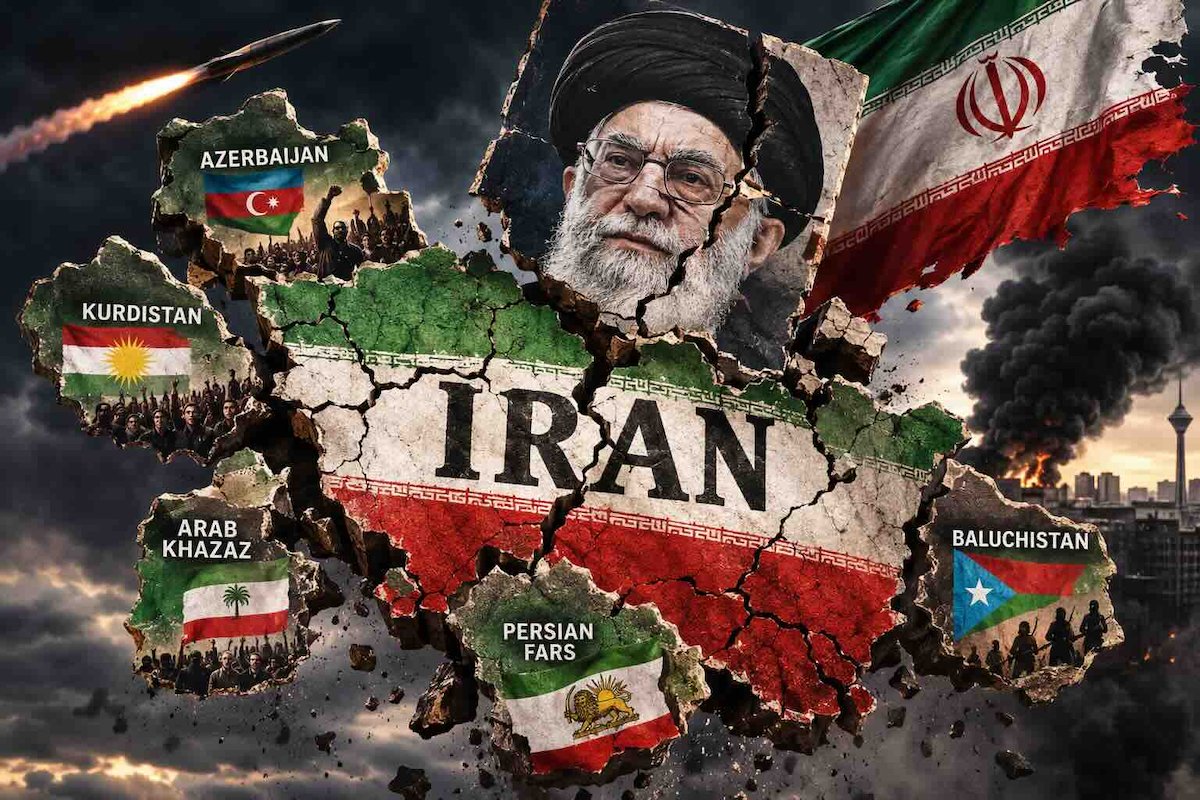
Iran's Leadership Vacuum Turns Strait of Hormuz Into a Geopolitical Void
Iran's supreme leader is missing, and internal divisions are paralyzing decision-making. The resulting power vacuum threatens the Strait of
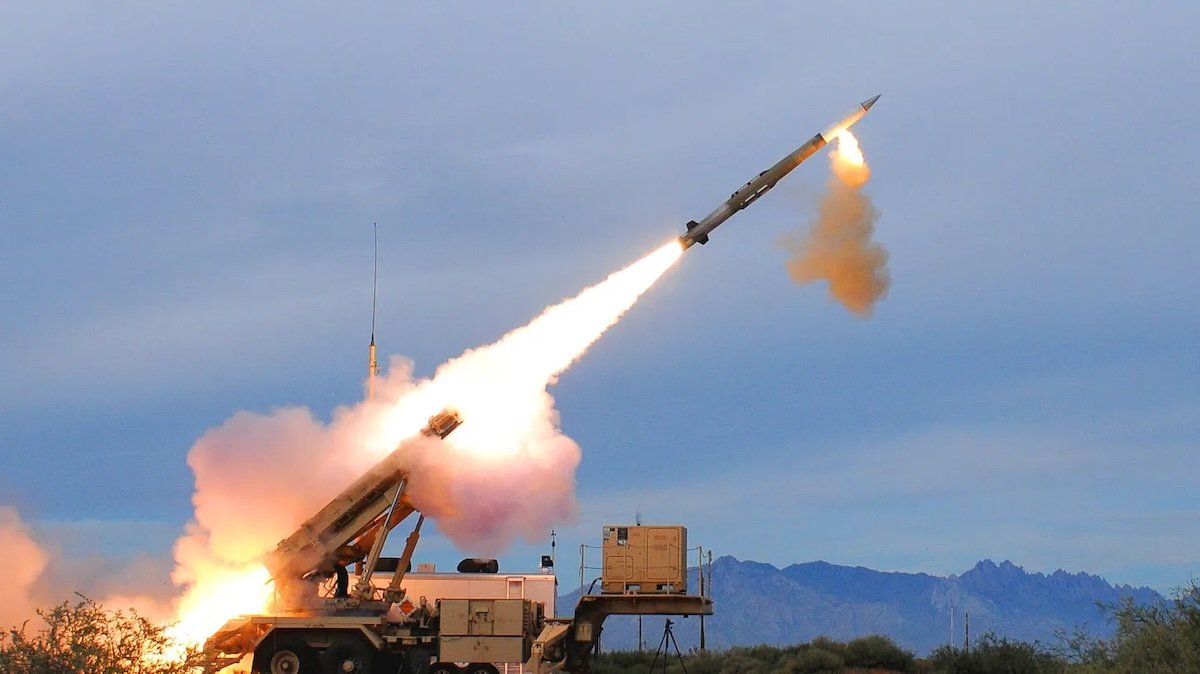
US weapons stockpiles depleted, forcing shift in Indo-Pacific security posture
US stockpiles of key air-defense and strike missiles are dangerously depleted after operations in the Middle East and transfers to Ukraine.
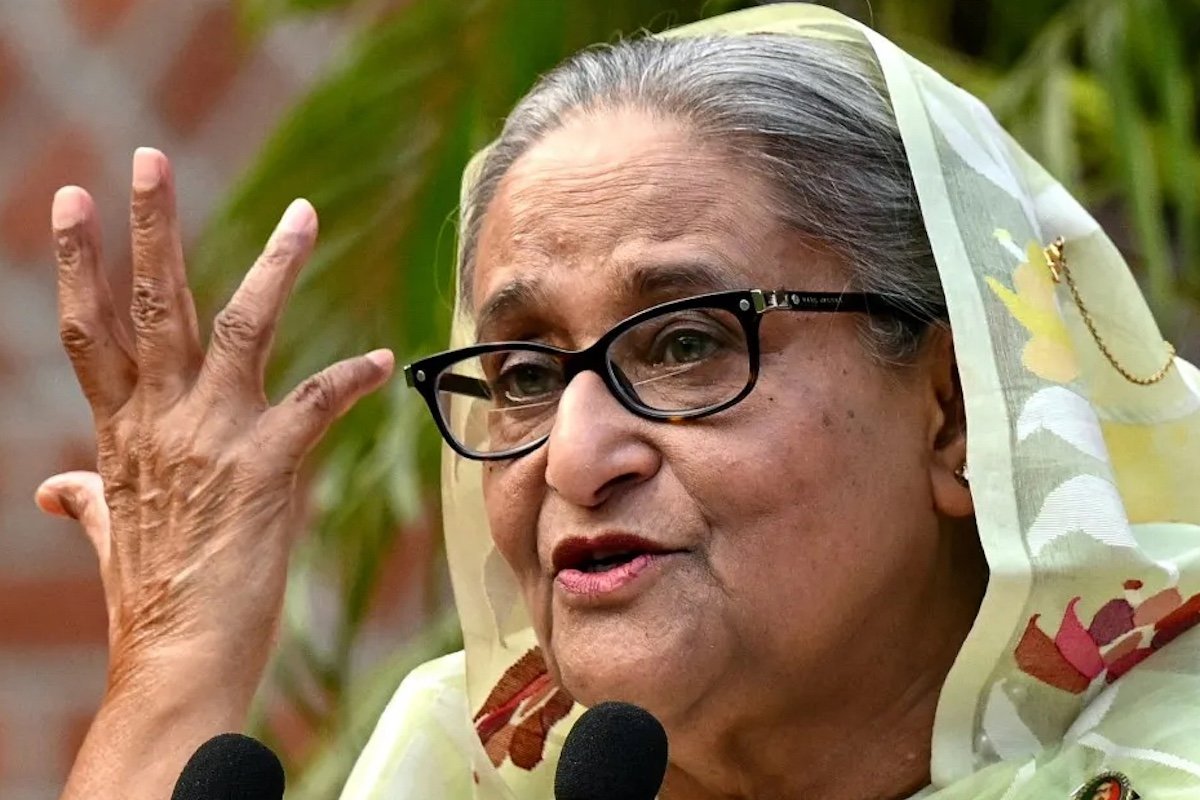
Hasina's Delhi Address Exposes India's Bangladesh Dilemma
Sheikh Hasina made her first live public address from New Delhi, but dodged questions on her return and accountability. Her son's apocalypti
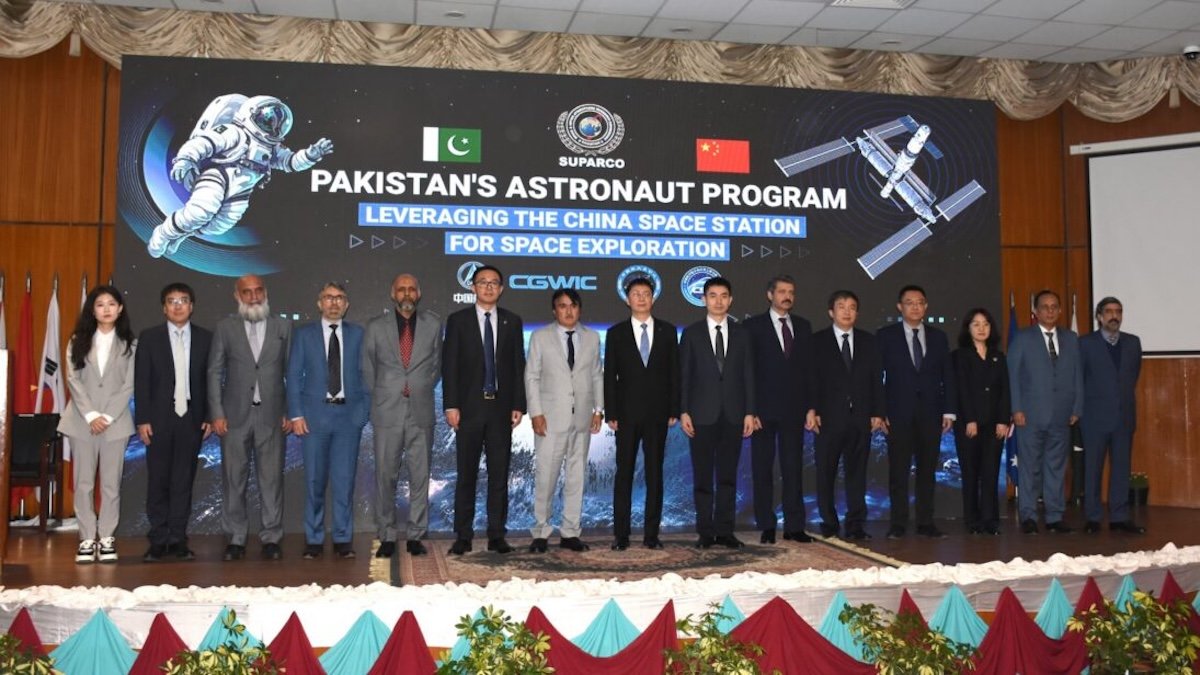
South Asia's new arms race is happening in space, with no rules
The May 2025 India-Pakistan war was the first between nuclear-armed states shaped by satellites. Both sides relied on foreign space assets,
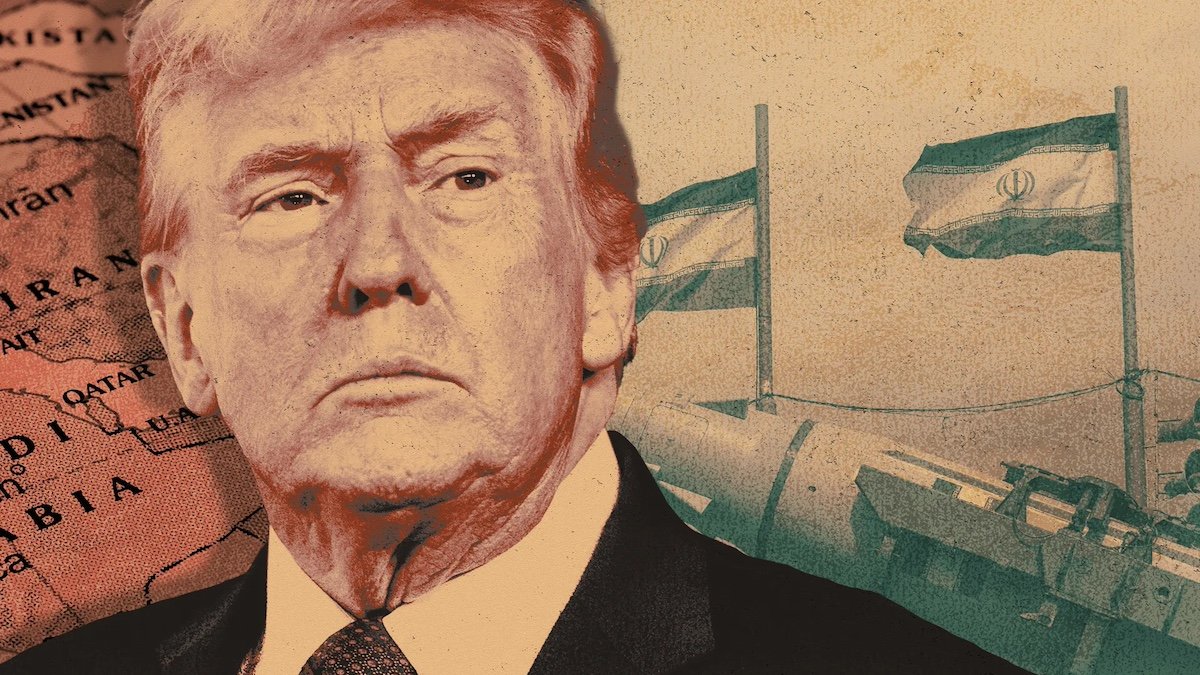
Trump's Iran Exit Strategy Remains Elusive as War Drags On
The US-Iran conflict is now five months old, with Washington unable to claim victory or withdraw cleanly. Trump's alternating threats and ta
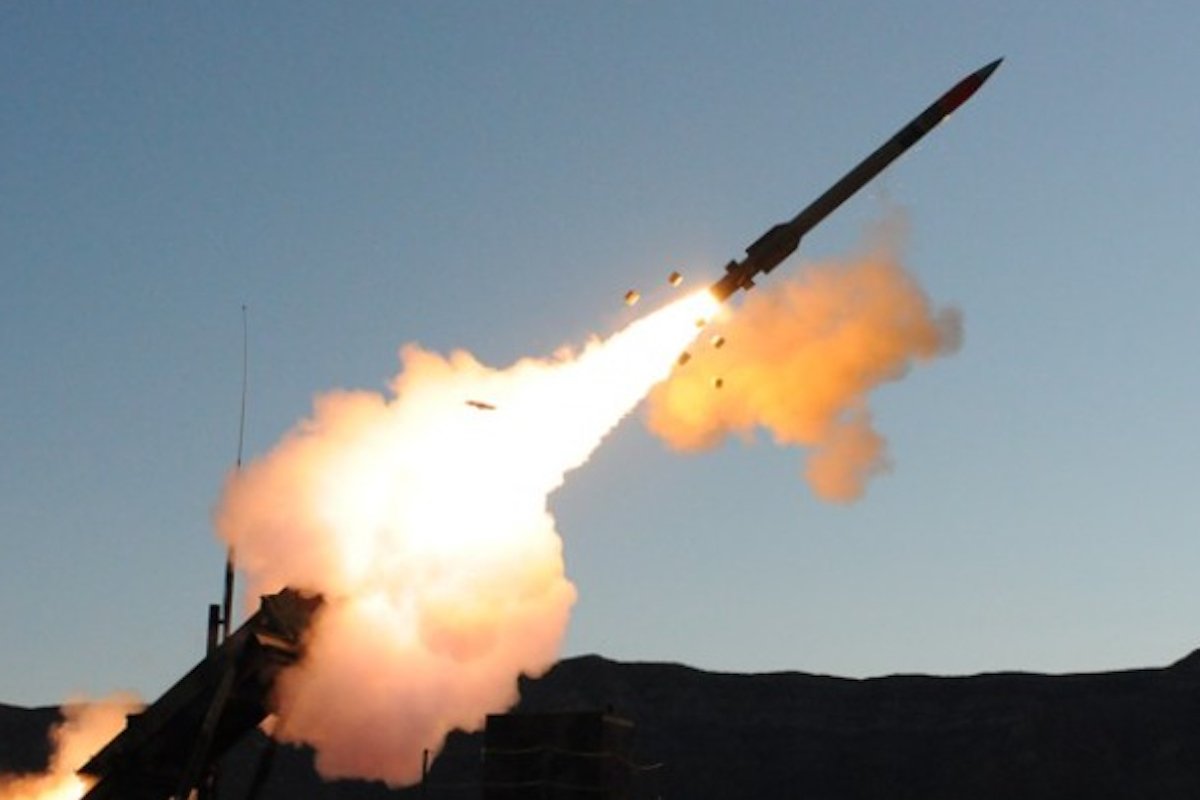
US missile stockpile crisis deepens as production lags behind demand
The US is spending billions to expand interceptor missile production, but long lead times and industrial bottlenecks may leave stockpiles de