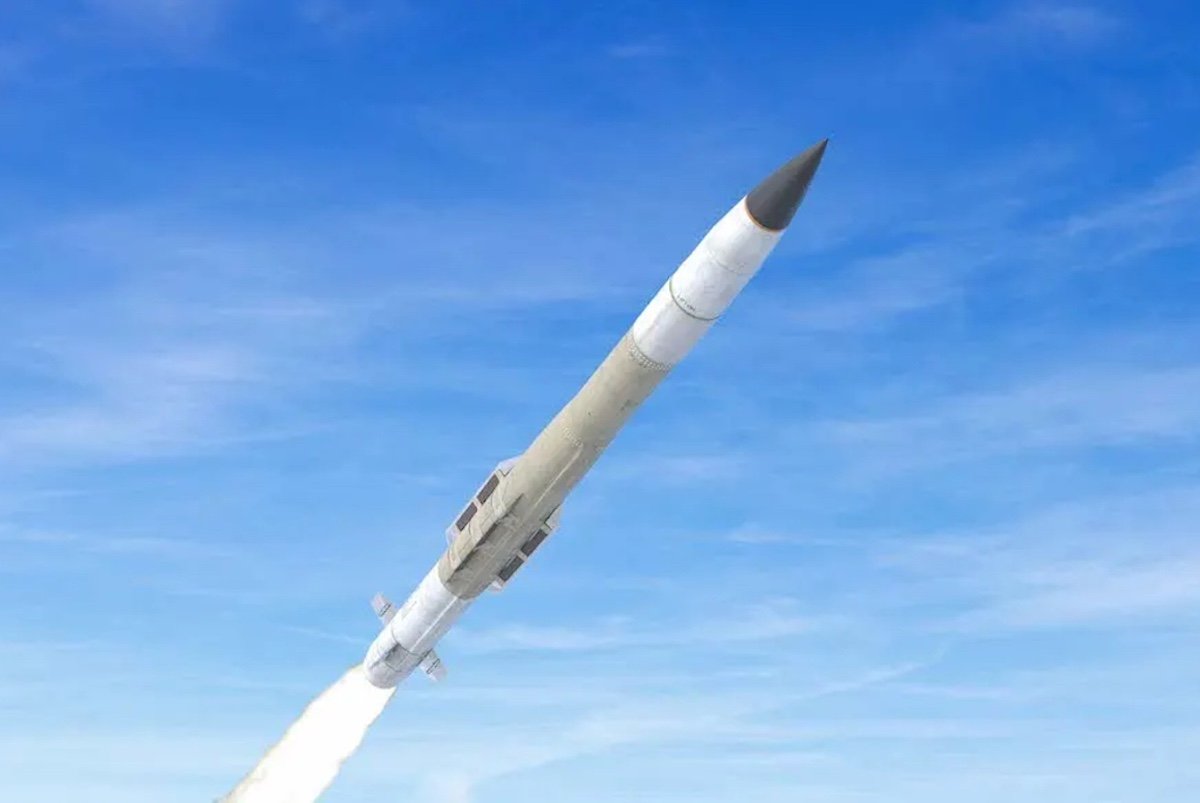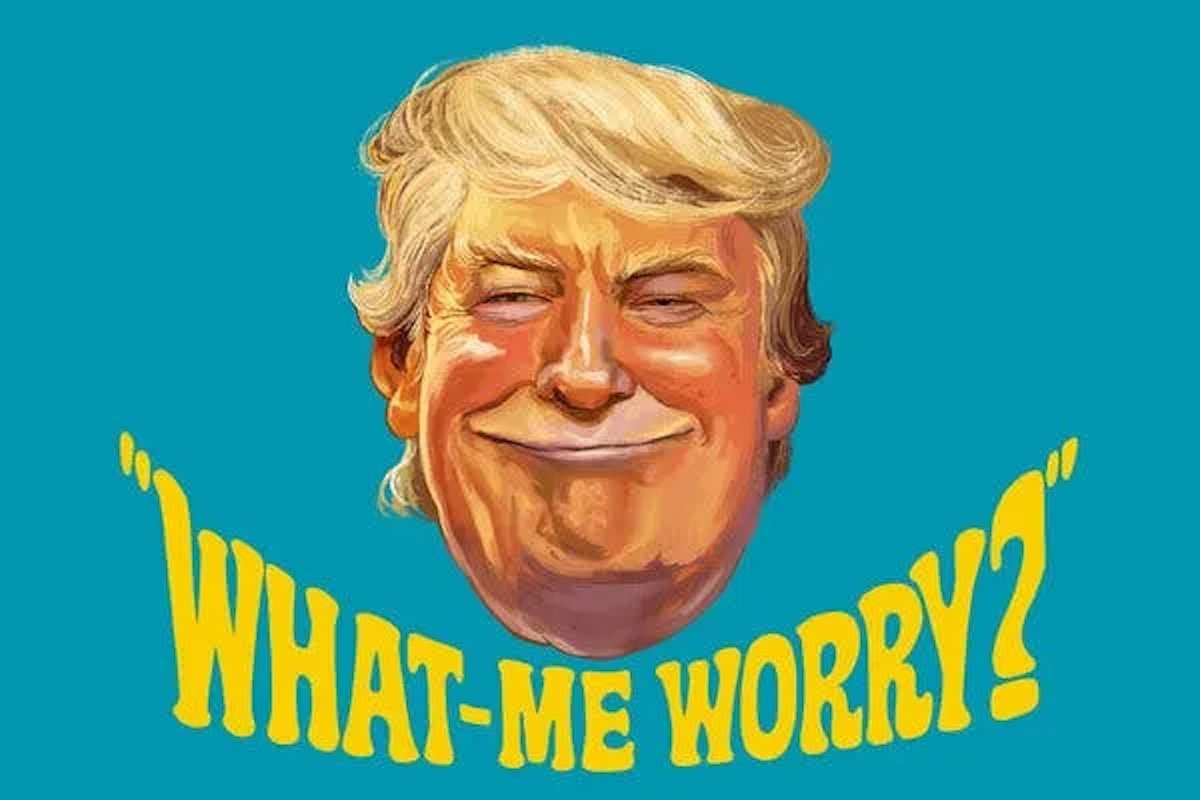
When Donald Trump says Patriot interceptors are 'on the way' to Ukraine, the natural question is: which way, and when? Over the past year, the US president has repeatedly dangled the promise of air-defense systems before Kyiv, only to slow, halt, or condition their delivery. The latest round of headlines suggesting a decisive shift in US policy toward Ukraine deserves closer scrutiny.
The pattern is not new. In April 2025, Trump told reporters in the Oval Office that Ukrainian President Volodymyr Zelensky is 'always looking to purchase missiles,' adding that Ukraine should not have started a war against a country 'twenty times your size.' In June, at a NATO summit press conference, he acknowledged that Ukraine wants Patriot systems 'more than any other thing,' but offered no timeline. By July, he admitted he had not agreed on a specific number of systems, despite earlier reports of a promise of ten.
Meanwhile, the administration's actions tell a different story. In March 2025, after the contentious Oval Office meeting with Zelensky, the White House paused all military aid to Ukraine, including Patriot interceptors already in transit or staged in Poland. The message was clear: Ukrainian gratitude was a condition for continued support. This is not the behavior of an ally committed to Ukraine's defense; it is the behavior of a leader who sees leverage in another country's desperation.
The media's role in amplifying the con
How does a narrative so at odds with reality gain traction? The answer lies in a media ecosystem that rewards access over accuracy. Reporters and commentators, eager to maintain White House access, often amplify administration talking points without rigorous verification. Think tanks, too, are complicit, publishing analyses designed to please funders and signal proximity to power rather than to provide genuine insight.
This dynamic has real consequences. When the White House floats a story that Patriot interceptors are on the way, Ukrainians—and their allies—may adjust their military planning and public expectations. False hope can be as damaging as a missile strike, as it undermines trust and can lead to strategic miscalculation. The recent command shake-up in Ukraine reflects the internal pressures of a war where external support is unpredictable.
The pattern extends beyond Ukraine. Trump's approach to foreign policy often involves grand pronouncements followed by inaction or reversal. His Iran exit strategy remains elusive, and his Gaza peace board has already reversed a disarmament deal under Israeli pressure. In each case, the initial narrative serves a political purpose, but the follow-through is absent.
For Ukraine, the stakes are existential. Russia continues to bombard cities, and air defense is a matter of life and death. The Russian private sector's tech push in the war underscores the urgency. Yet Trump's statements suggest he views Ukraine's need as a bargaining chip, not a humanitarian crisis. His comment that Ukraine 'desperately' needs Patriots was made in the same breath as he praised the systems' effectiveness—while doing nothing to expedite their delivery.
The broader Indo-Pacific audience should watch this pattern closely. If the United States can treat a wartime ally with such transactional cynicism, what does that mean for other partners? From Tokyo to Seoul to New Delhi, leaders are assessing the reliability of American commitments. The upcoming Trump-Xi summit in September will be another test of whether US policy is driven by strategic coherence or personal whim.
In the end, the Patriot interceptor story is not about missiles. It is about the erosion of trust in American leadership. Until the administration demonstrates a consistent, verifiable commitment to its allies, the world should treat every promise with skepticism. The con works only if we let it.