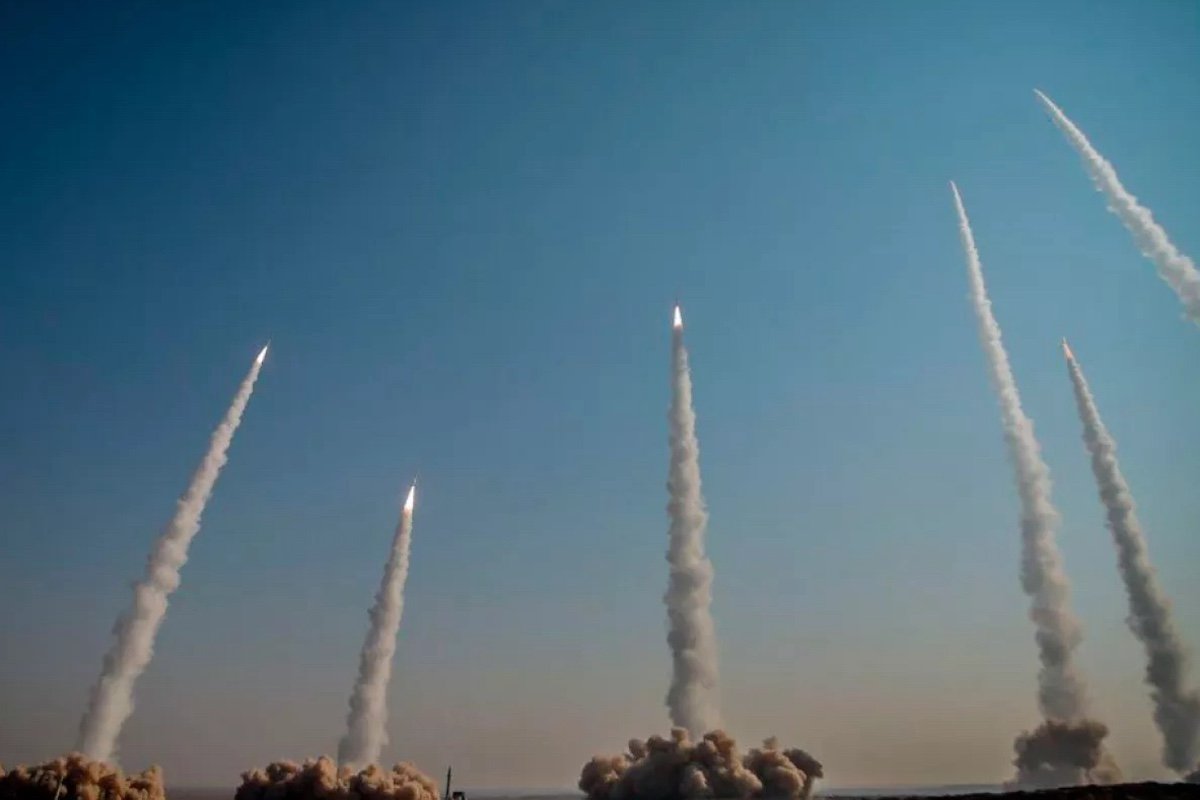
Publicly cited figures on Iran's ballistic missile arsenal present a starkly contradictory picture, underscoring how weapon inventories serve as instruments of political messaging rather than neutral military facts. As tensions persist between Washington, Tel Aviv, and Tehran, estimates of Iran's operational missile count range from a depleted 1,000 to a rapidly reconstituting force of thousands more, complicating regional security assessments.
According to analysis from the Alma Research and Education Center, Iran's stockpile has allegedly fallen from 2,500 to around 1,000 missiles since the onset of recent hostilities. US Secretary of War Pete Hegseth has publicly touted the near "complete destruction" of Iran's missile industry. However, US intelligence officials privately confirm the verified destruction of only about one-third of the arsenal as of late March. Israeli assessments further muddy the waters by warning that Iran, potentially with Russian and Chinese support, could produce up to 8,000 ballistic missiles by 2027.
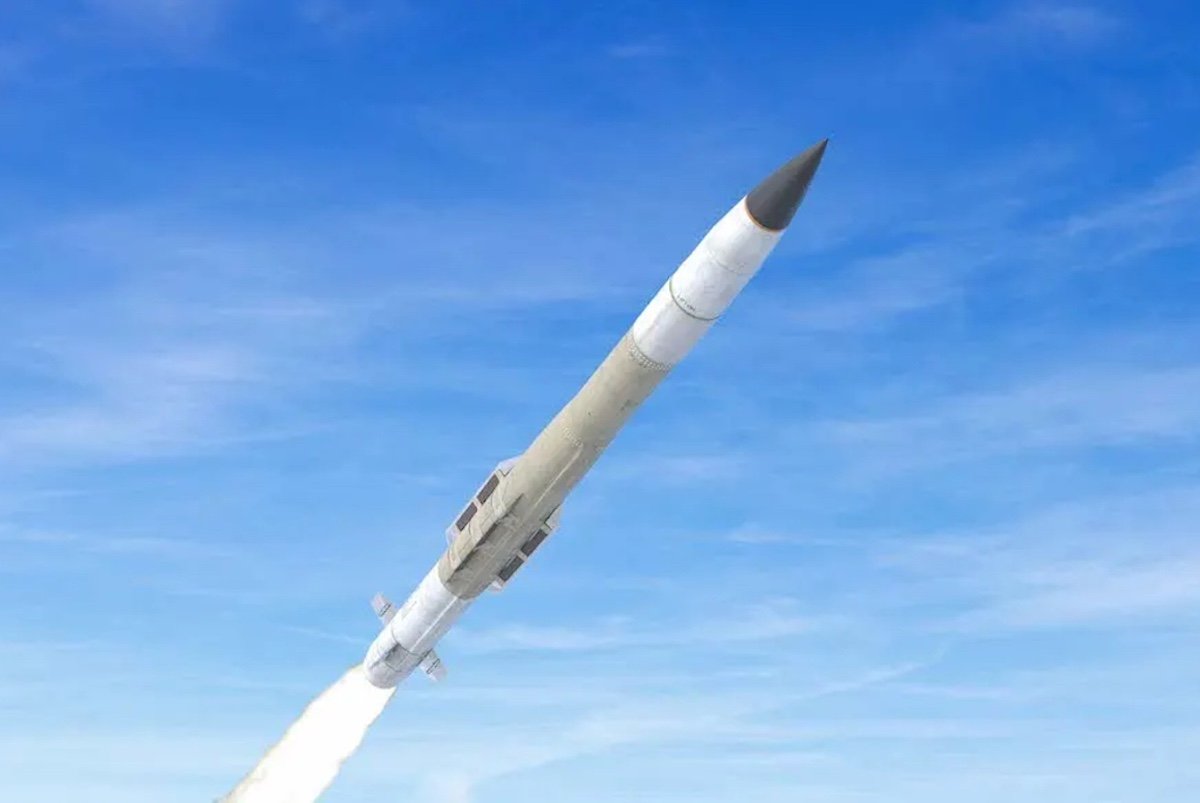
Iranian authorities maintain their arsenal remains robust and securely stored, while American officials are similarly guarded about their own munition levels. This mutual opacity extends to defense systems; external analysis from the Payne Institute suggests the US may have expended roughly a third of its THAAD interceptor missiles, with full replenishment taking years. Government insiders indicate a significant portion was used during strikes in June 2025.
A Historical Pattern of Strategic Ambiguity
The manipulation of weapons counts is a centuries-old practice in statecraft. From ancient empires inflating troop numbers to Napoleon Bonaparte's crafted wartime bulletins, projecting strength has long been a tool for domestic morale and enemy deception. The industrial age amplified this, with mass production creating vast, poorly understood stockpiles that governments could easily misrepresent.
The Cold War era saw this evolve with the deliberate fabrication of perceived gaps. The "missile gap" fears of the late 1950s, later revised downward by US intelligence, and the protracted myth of a Soviet "tank gap" demonstrate how estimates are filtered for political effect. As former Soviet leader Nikita Khrushchev bluntly stated, the perception of power often mattered more than its actual scale, a principle that continues to underpin deterrence strategies today.
This pattern is not confined to historical or Middle Eastern contexts. The lead-up to the 2003 Iraq invasion was predicated on flawed and selectively interpreted intelligence regarding weapons of mass destruction, a narrative that mobilized support for a war that evolved into a prolonged occupation. The episode serves as a potent modern reminder of how weapon claims can drive geopolitical action.
Broader Implications for Asian Security
The ambiguity surrounding Iran's capabilities and the integrity of US missile defenses has direct repercussions for the Indo-Pacific. Nations from Japan and South Korea to India and Australia closely monitor the viability of American security guarantees and the erosion of military stockpiles in other theaters. A protracted stalemate in the US-Iran-Israel conflict could strain the resources and strategic attention Washington can devote to Asia.
Furthermore, the practice of nuclear ambiguity, most famously embodied by Israel's unacknowledged arsenal, finds parallels in Asia. The region hosts several states with opaque or debated nuclear capabilities, where estimates of stockpiles and breakout timelines are hotly contested, much like the decades of disagreement over Iran's enriched uranium. This environment makes accurate intelligence and clear-eyed assessment critical for stability.
The current dynamics also highlight the role of external powers. Suggestions of Russian and Chinese missile imports to Iran underscore how great power competition can directly alter regional military balances. This mirrors broader technological rivalries, such as the US Navy's next-generation fighter competition aimed at countering Chinese advances, or the US-China race to build fusion energy supply chains.
Ultimately, the disputed numbers on Iran's missiles are a contemporary chapter in a long history of using armaments as political weapons. As Greg Thielmann, formerly of the Arms Control Association, noted, when intelligence provides a range of possibilities, the most extreme numbers are often emphasized for political ends. For Asian nations navigating an increasingly multipolar and militarized environment, the lesson is clear: official counts of weapons are rarely just numbers—they are the opening arguments in a strategic narrative.