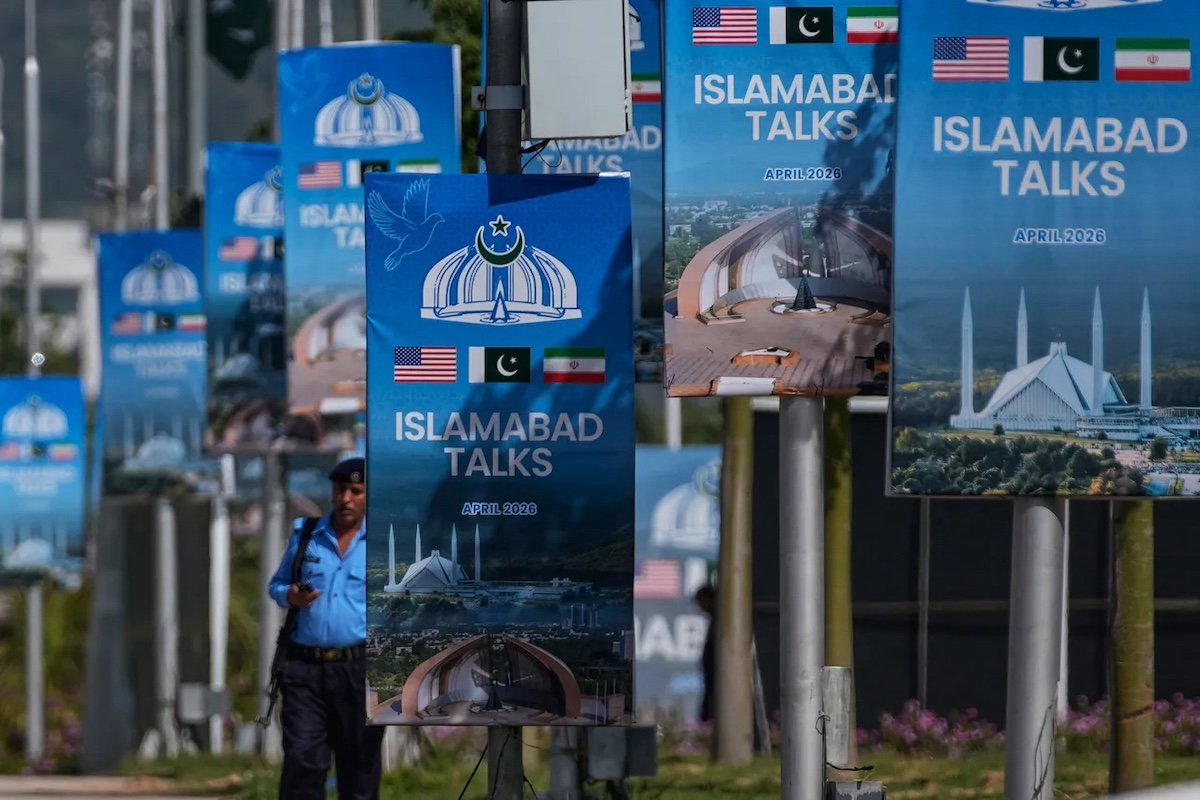
The ceasefire between the United States and Iran, announced on April 8 after 40 days of US-Israeli strikes, has failed to deliver lasting peace. Negotiations in Islamabad, led by US Vice President JD Vance, collapsed as Iran's 10-point proposal and the American 15-point plan proved irreconcilable. The conflict has inflicted losses that may never be recovered—strategic, economic, and reputational.
A War Without Clear Objectives
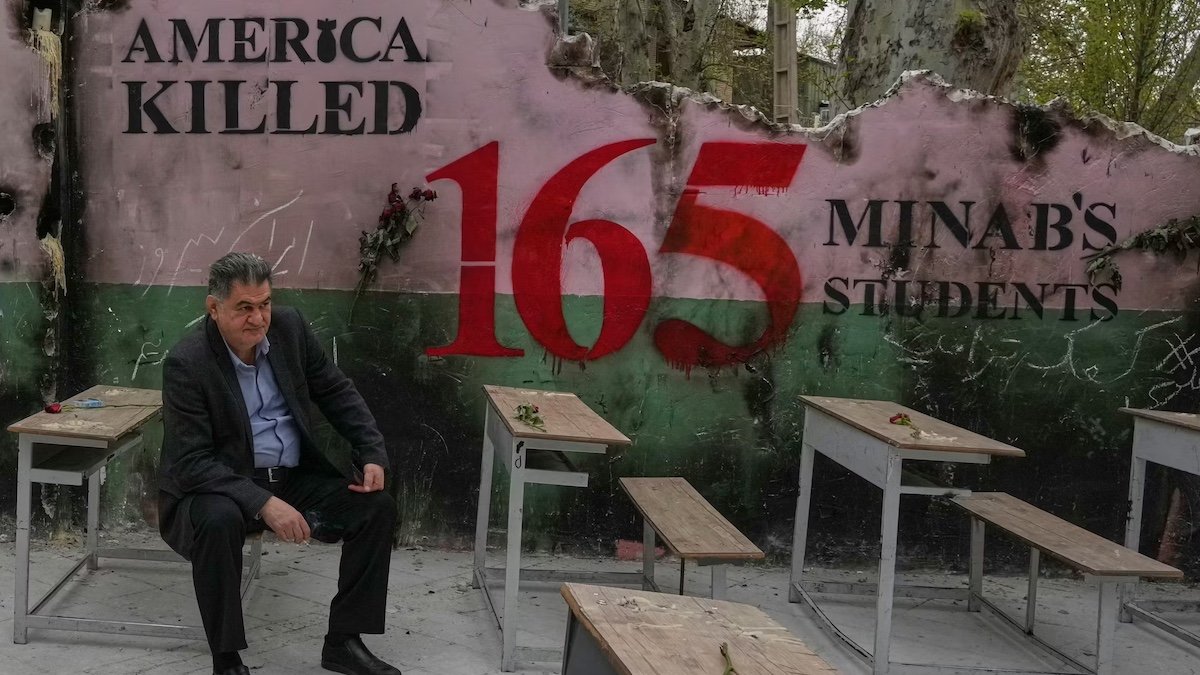
The Pentagon has spent roughly $28 billion in 39 days, with the Trump administration seeking an additional $80–100 billion from Congress. More than 1,500 Iranians have been killed and 18,500 wounded, while 13 American soldiers have died and over 300 are wounded. Crude oil prices surged over 55%, and gas prices in the US jumped more than a dollar per gallon. Fragile economies like Bangladesh, Sri Lanka, and Nepal face energy shocks that threaten their governments.
Despite these costs, there has been no regime change in Iran, no nuclear disarmament, and no emancipation of the Iranian people. The war's intangible losses are proving more consequential. The Trump administration's extension of the ceasefire while maintaining a naval blockade at the Strait of Hormuz has only deepened tensions.
Regional Fallout and Diplomatic Shifts
The Abraham Accords between Israel and several Arab nations are under severe strain. Gulf states, which host US military bases, have absorbed Iranian missile strikes and now question whether the American presence is a protection or a liability. NATO relationships are in tatters, and Israel launched Operation Eternal Darkness with 100 airstrikes in 10 minutes against Lebanon on the very day the ceasefire was announced, undermining any hope for broader peace.
The war has also exposed an inversion of the global security order. No Western US ally stepped forward to broker peace. Instead, Pakistan—a country embroiled in border tensions with India and Afghanistan—led mediation alongside Turkey, Egypt, and Saudi Arabia, with China assisting from the sidelines. This quartet of Muslim-majority nations is now positioning itself as the primary diplomatic channel in a region where both Israel and Iran have become pariahs, and American credibility as a security guarantor is in tatters.
As Iran weighs a return to Islamabad peace talks, the US finds itself needing rescue from its own war by the very nations it once lectured on governance and peace.
Domestic Revolt and Global Consequences
The war has sparked a revolt within Trump's MAGA camp. Tucker Carlson delivered a 43-minute monologue calling the president's war rhetoric “morally corrupt” and “evil,” while Joe Rogan called the conflict “insane.” Trump's approval rating is now positive in just 17 of 50 states. The US has eliminated its $1.23 billion contribution to UN peacekeeping in its 2026 budget, slashed 85% of diplomatic spending, shuttered USAID, and withdrawn from 66 international bodies since January 2025. The UN has been forced to cut 25% of its peacekeeping forces, reducing its presence in Lebanon, Congo, and South Sudan.
The collapse of the Iran ceasefire highlights the limits of middle-power mediation in Asia, as the war's economic shockwaves continue to ripple through emerging markets. The conflict has also accelerated capital flight from Asia's emerging economies, compounding the damage.
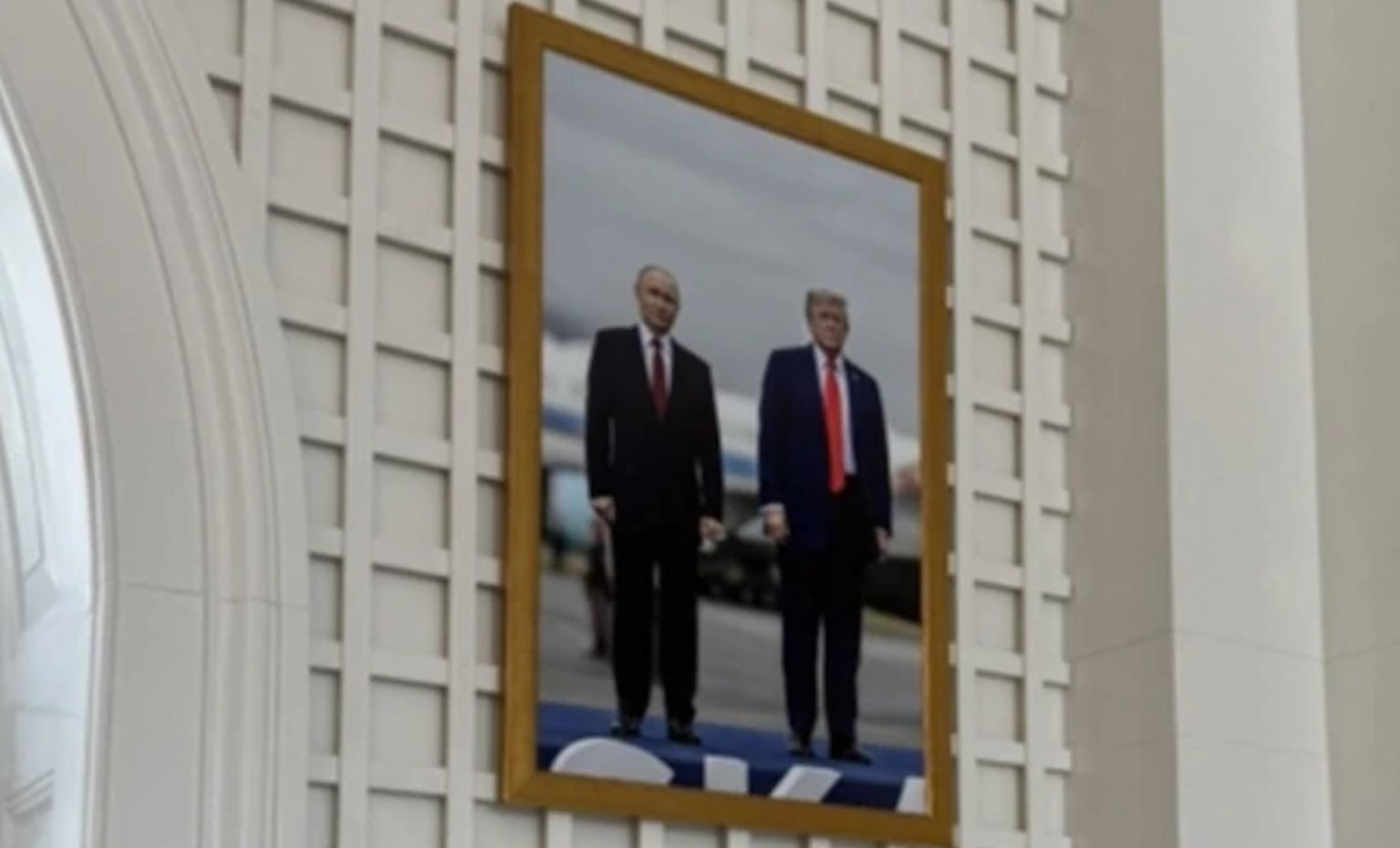
If the US can wage an unauthorized war without clear objectives, if Russia can redraw borders in Ukraine by force, and if Israel can operate without restraint, then the signal to every government with a grievance is clear: the post-1945 rules-based order is being dismantled—not by accident, but by design.