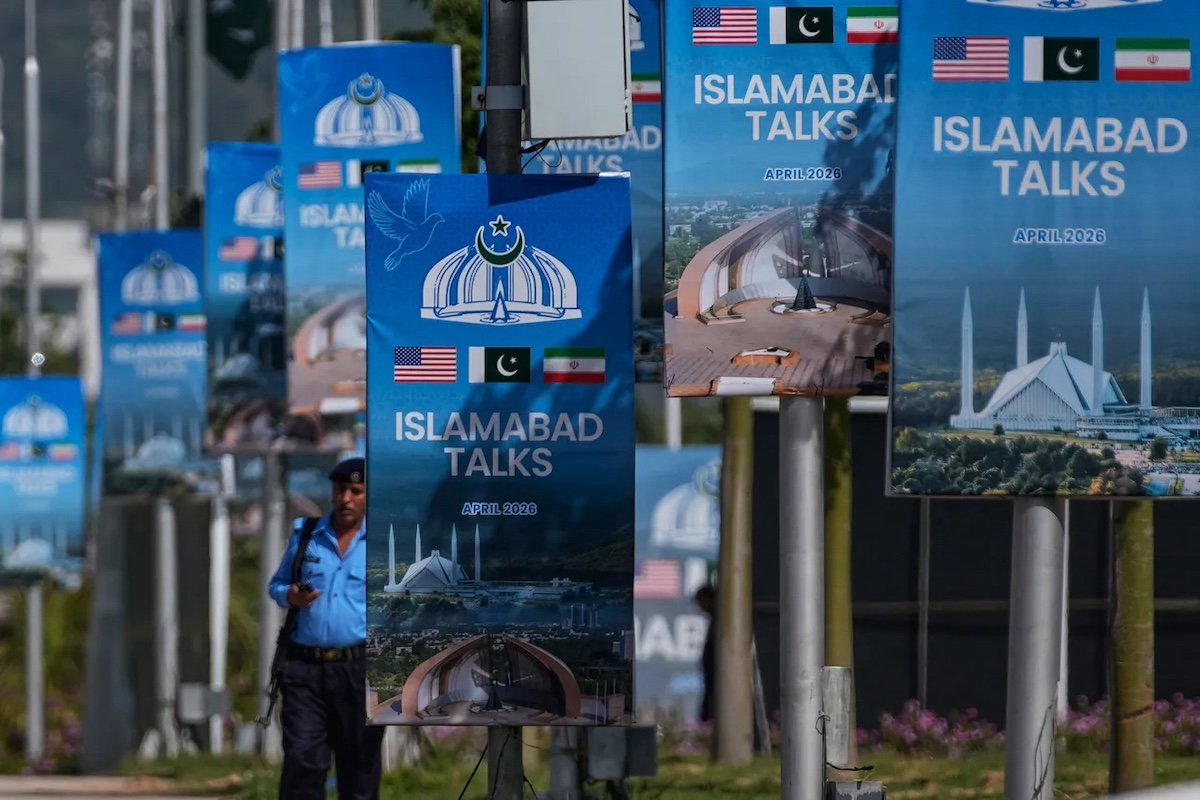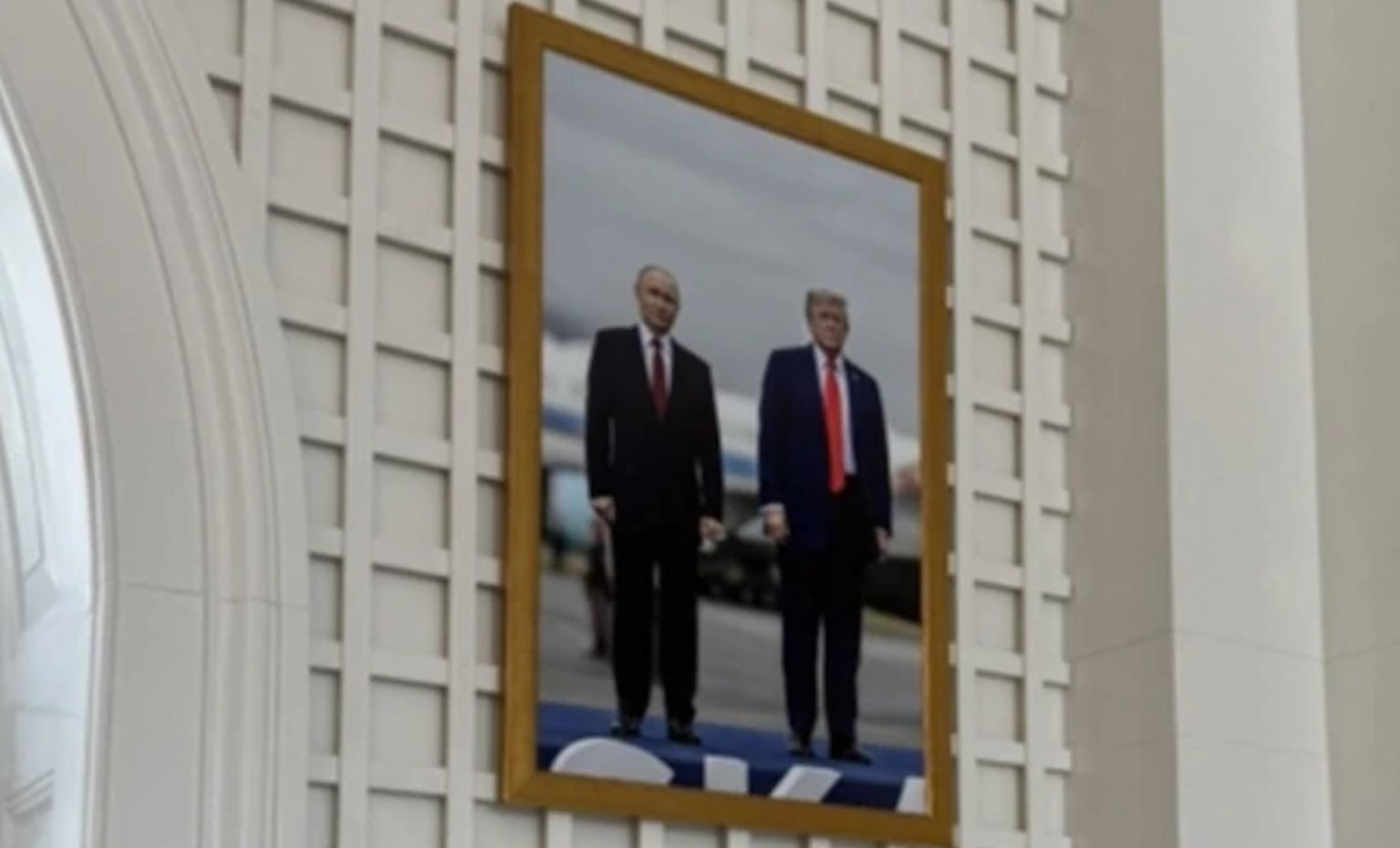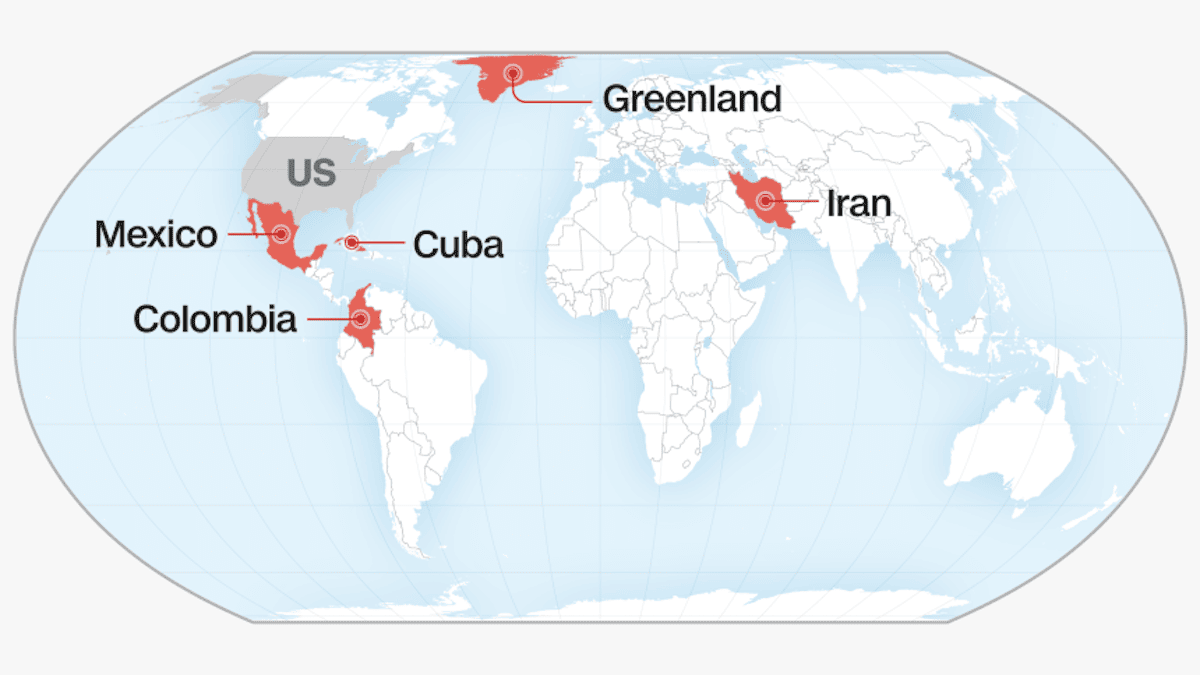
In a late-night social media post, U.S. President Donald Trump stated American forces are "looking forward" to their "next conquest," a declaration made while a U.S.-led conflict with Iran, initiated alongside Israeli Prime Minister Benjamin Netanyahu, remains unresolved. The comments come as a two-week ceasefire, announced to halt hostilities, appears tenuous due to continued Israeli military action in Lebanon.
Trump asserted U.S. troops would stay positioned around Iran until a "real agreement" is reached, threatening a larger assault if talks fail. He did not specify a target for this suggested "next conquest," but has repeatedly issued threats against Cuba and Greenland in recent months. Last month at an investment forum, he explicitly stated, "Cuba is next," before telling the audience, "Pretend I didn't say that." In another post, he derided Greenland as a "BIG, POORLY RUN, PIECE OF ICE."
Ceasefire Fails to Reopen Vital Waterway
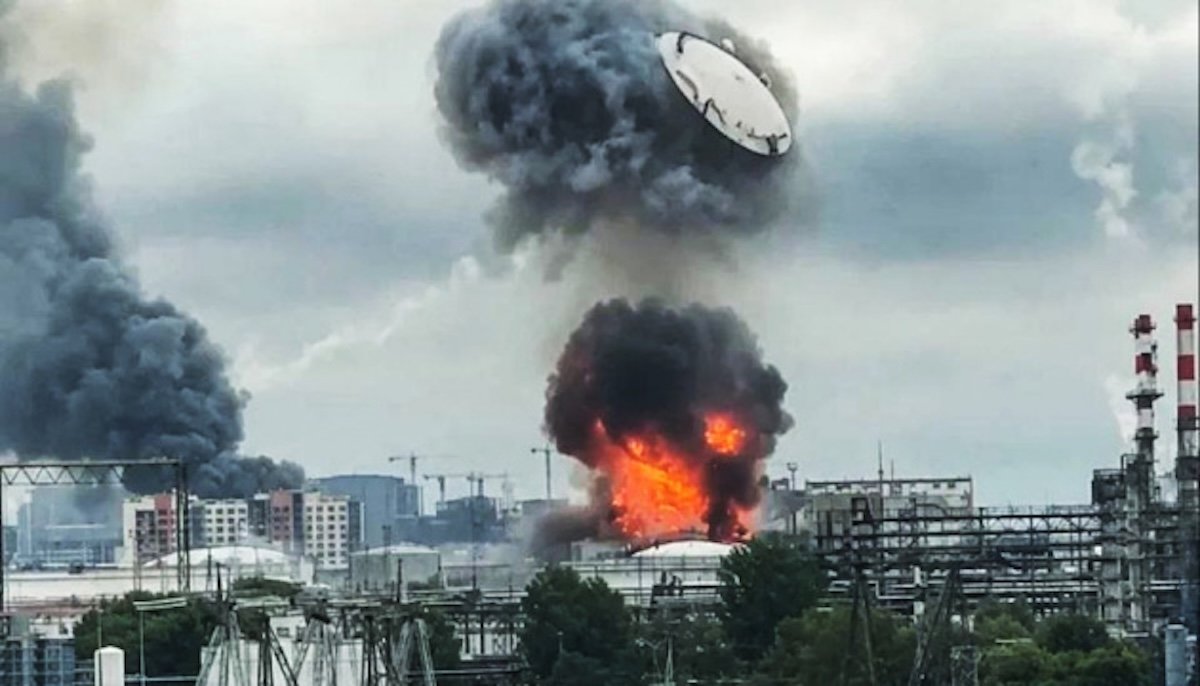
The primary stated objective of the ceasefire—reopening the Strait of Hormuz—has not been achieved. Iran has kept the strait largely closed since the conflict began over a month ago, blocking the key chokepoint for global energy shipments. According to reports, ship traffic remains limited to a handful of vessels linked to Iran, causing Brent crude oil prices to climb back toward $100 per barrel after an initial drop. This sustained blockage poses a direct threat to the energy-dependent economies of major Asian consumers like Japan, South Korea, and India.
As the Hormuz blockade raises economic and diplomatic stakes, the Trump administration is now pressuring European NATO allies to help resolve the crisis it initiated. Bloomberg reported the U.S. is seeking "specific commitments" and "concrete plans" from allies to help secure the strait within days. This demand follows Trump's earlier, unsuccessful attempt to strong-arm allies into sending naval forces to the region, which they refused.
In a social media tirade, Trump lashed out at NATO, writing in all caps, "NATO WASN'T THERE WHEN WE NEEDED THEM, AND THEY WON'T BE THERE IF WE NEED THEM AGAIN." Critics have questioned why allies should commit resources to fix a situation created by unilateral U.S. action. Sky News international affairs editor Dominic Waghorn noted that reopening the strait short of a full-scale occupation of southern Iran would be militarily challenging.
Broader Military Ambitions and Regional Alarm
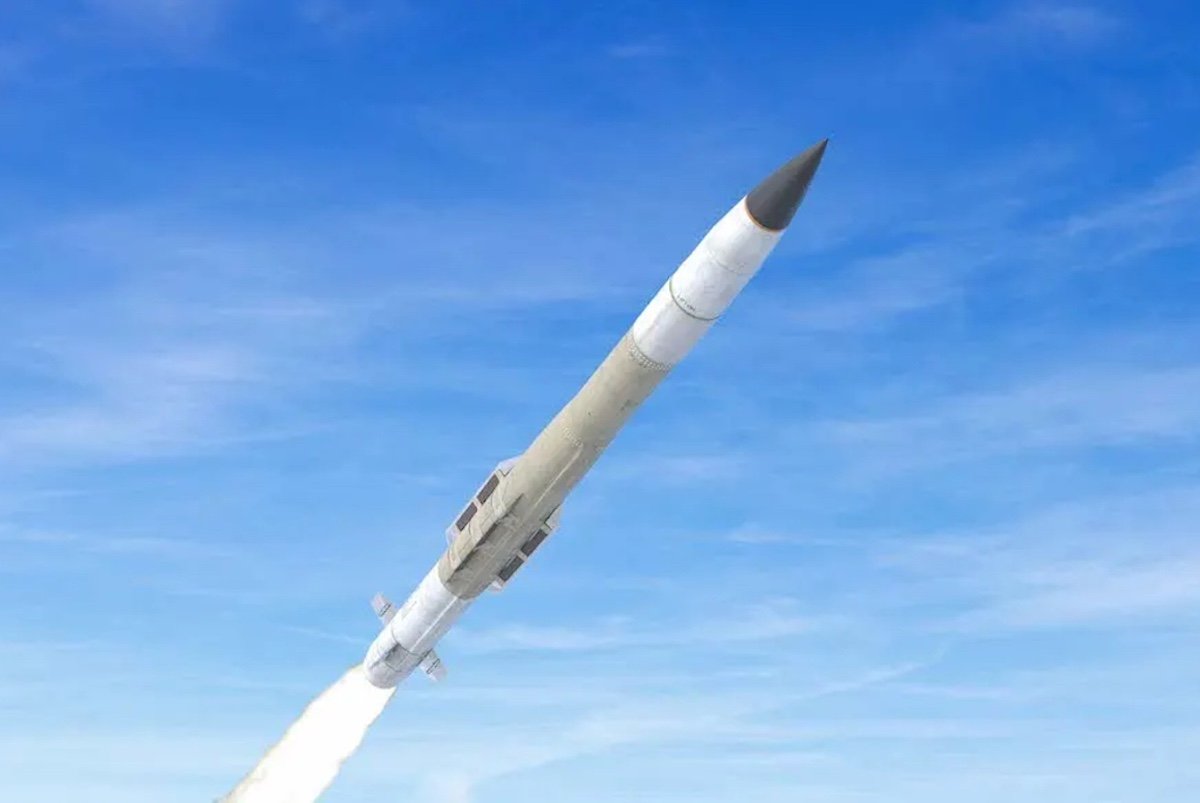
Trump's rhetoric coincides with a substantial defense budget request to Congress for the coming fiscal year, seeking $1.5 trillion, which includes tens of billions for new warships and fighter jets. The administration's aggressive posture extends beyond the Middle East. A recent report detailed a Pentagon effort dubbed 'Operation Total Extermination,' supporting "bilateral kinetic actions" against cartel targets along the Colombia-Ecuador border, with one operation reportedly straying into Colombian territory.
These actions have raised alarm across multiple regions. Reported war preparations against Cuba have particularly unsettled leaders in Latin America. Meanwhile, the ongoing Iran conflict and Hormuz blockade represent a significant external shock to Asian economies, potentially trapping the administration as Asian economies face an energy shock.
International relations expert Branislav Slantchev of UC San Diego responded bluntly to Trump's post, calling him a "depraved idiot" who is "out of control." Brian Finucane of the International Crisis Group suggested Trump is "lashing out because his war on a whim did not result in the hoped-for 'Venezuela' in Iran but a historic debacle instead."
The situation underscores the limits of unilateral military action and the complex geopolitical interdependencies in the Indo-Pacific. As the U.S. focuses on potential new conflicts, the economic and security stability of Asia, heavily reliant on Middle Eastern energy and maritime security, hangs in the balance. The rejection of Trump's strategy by NATO allies highlights a growing transatlantic divide on security policy with direct implications for global order.