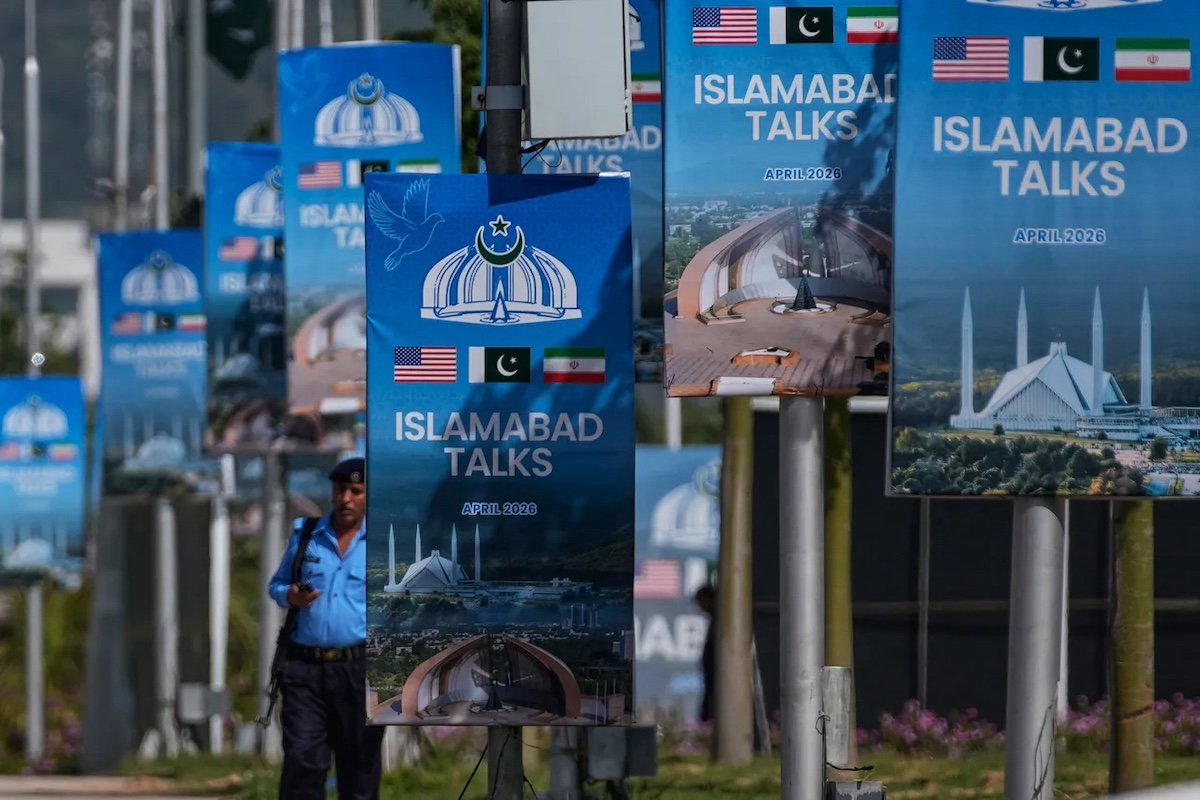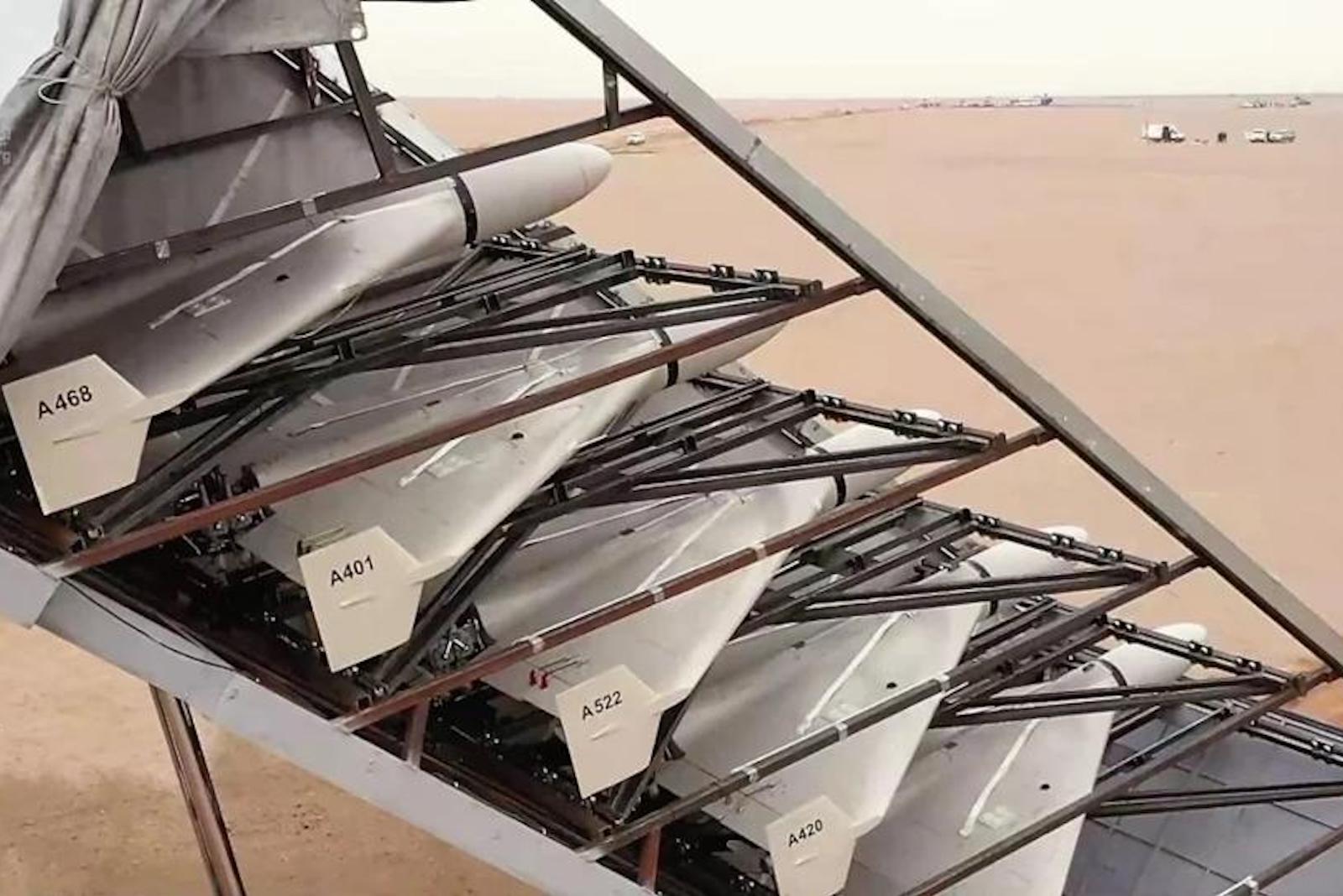
A hypothetical but stark conflict in early 2026, involving Iran, the United States, and Israel, has provided defense analysts with a sobering case study. The engagement, lasting 40 days, did not showcase a decisive victory for advanced stealth fighters or sophisticated radar networks. Instead, it was characterized by waves of inexpensive drones and ballistic missiles overwhelming defensive systems. In the aftermath, a term has re-emerged in strategic circles to describe this paradigm shift: the "Third China Shock."
The first shock was China's ascent as the world's factory, absorbing global manufacturing. The second was its dominance in critical modern industries like telecommunications, semiconductors, and electric vehicles. Now, the third shock targets the core of military power, suggesting that the strategic doctrine of using affordable, expendable, and scalable hardware to saturate an adversary—while exemplified by Iran—is a concept deeply refined and exported by Beijing.
The Unforgiving Arithmetic of Modern Conflict
This new reality challenges a fundamental tenet of Washington's defense planning. The American model, built around technologically superior but astronomically expensive platforms, may no longer be fiscally sustainable against adversaries who prioritize volume and cost efficiency. The reasons are structural and deeply embedded in the economic foundations of each nation's defense sector.
Wage Asymmetry Creates a Chasm. The most rigid cost driver is labor. In the United States, manufacturing wages routinely exceed $30 per hour. In contrast, monthly wages for defense workers in China range from approximately $830 to $1,225, while in Russia they are between $900 and $1,100. This isn't a marginal gap; it's an order-of-magnitude difference. It creates ruinous exchange ratios on the battlefield, where a $20,000 drone can only be countered by a multi-million-dollar interceptor. No qualitative edge can indefinitely withstand such a cost differential.
The Profit Motive vs. State Output. The US defense industry is a marketplace. Corporations like Lockheed Martin and Boeing are accountable to shareholders and quarterly earnings, injecting a systemic profit margin—an "invisible tax"—into every component. Conversely, the defense-industrial bases of China and similar states operate more as state-owned utilities or direct military extensions. Their primary metric is output and strategic capacity, not profit margin. This fundamental difference in purpose leads to a severe marketplace distortion, where functionally comparable systems carry vastly different price tags.
Innovation Under Different Masters. A persistent Western belief holds that private sector competition fuels breakthrough innovation. However, in long-cycle weapons development, corporate fiduciary duty often breeds risk aversion. Companies excel at incremental upgrades to secure the next contract. Leap-ahead technologies, like those in fusion energy or hypersonics, require decades of patient capital with no guaranteed return—a model antithetical to quarterly reports. In state-capitalist systems, the government acts as that patient, indifferent investor, funding foundational research for strategic gain alone.
Implications for the Indo-Pacific Theater
This economic divergence has direct and profound consequences for Asian security. The People's Liberation Army's development of mass-produced systems, from drones to missiles, is designed to exploit these very US vulnerabilities. Concepts like drone-launched mines to encircle Taiwan exemplify the tactical application of this cost-imposing strategy.
The strain is already visible among US allies. For instance, Australia's recent defense strategy has been criticized as incremental, potentially failing to account for these rapid shifts in defense economics. Meanwhile, regional powers like Indonesia navigate their sovereignty amid this great-power competition, as noted in analysis of Jakarta's foreign policy.
The challenge extends beyond hardware to economic models. Global institutions are reassessing state-led growth as China's influence expands, with its industrial overcapacity reshaping global trade and pressuring neighboring economies. Even diplomatic efforts, such as reviving the Iran nuclear deal, see China's role as increasingly pivotal.
The Third China Shock is not merely about cheaper weapons; it is a systemic challenge to the very economic logic underpinning Western military supremacy. It forces a reckoning: can defense establishments bound by corporate incentives and political cycles adapt to an era defined by the relentless, scalable output of state-directed industry? The answer will fundamentally shape the balance of power in the Indo-Pacific for decades to come.